

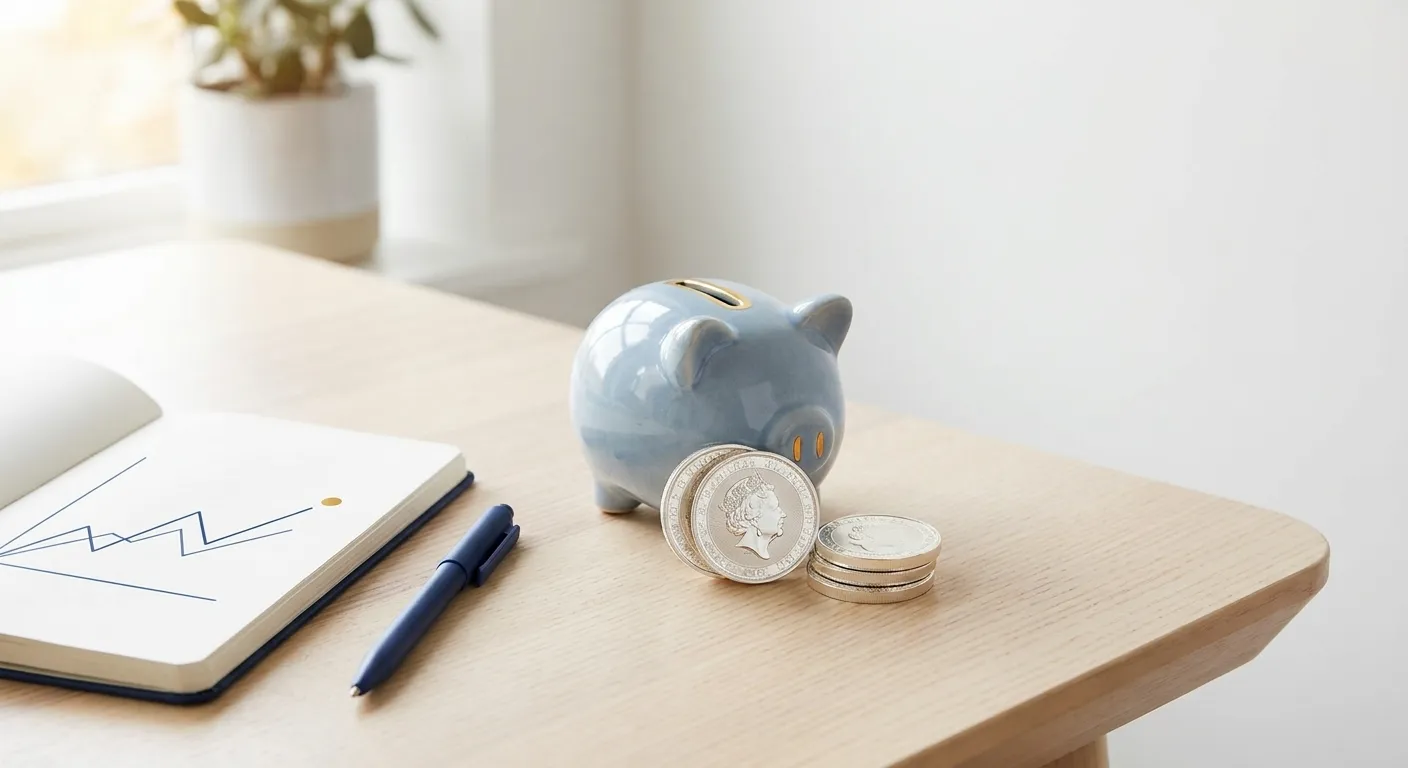
Inflation can be a silent thief, gradually eroding the purchasing power of your hard-earned savings. For cautious savers like Sarah, who prioritize financial security and long-term stability, understanding how to safeguard wealth against this erosion is paramount. This is where silver inflation protection steps in, offering a tangible asset that has historically served as a reliable hedge against rising costs.
Understanding Inflation and Its Impact on Your Wealth
Inflation refers to the general increase in prices and fall in the purchasing value of money. When inflation is high, the money you have saved today will buy less tomorrow. This can be particularly concerning for those nearing retirement or simply trying to preserve their capital over decades. Traditional savings accounts often struggle to keep pace with inflation, meaning your money could actually be losing value in real terms. This reality prompts many to seek alternative assets that can maintain or even grow their value during inflationary periods.
Historically, inflation has been a persistent economic force. For example, the Consumer Price Index (CPI) measures the average change over time in the prices paid by urban consumers for a market basket of consumer goods and services. A sustained rise in the CPI indicates inflation. Consequently, your ability to purchase goods and services diminishes. This makes finding effective ways to protect your wealth crucial, especially for those who prefer stability over speculative investments. Furthermore, understanding these economic principles empowers you to make informed decisions about your financial future.
Why Silver Shines as an Inflation Hedge
Silver, much like gold, has long been recognized for its ability to act as a store of value. Unlike paper currency, which can be printed in unlimited quantities, silver is a finite resource. Its intrinsic value is tied to its industrial demand (in electronics, solar panels, etc.) and its role as a precious metal. When currencies weaken due to inflation, hard assets like silver tend to become more attractive as people seek tangible wealth.
Historically, silver prices have often risen during periods of high inflation. This is because investors see it as a safe haven, a physical asset that cannot be devalued by government policy or excessive printing. For the cautious saver, owning physical silver can provide a sense of security, knowing that a portion of their wealth is protected by an asset with real-world utility and historical resilience. This makes silver inflation protection a compelling consideration.
The Dual Demand for Silver: Industrial and Investment
Silver’s unique position stems from its dual demand. Approximately half of all silver consumed annually goes into industrial applications. This industrial demand provides a fundamental floor for its price, distinguishing it from purely investment-driven assets. As global economies grow and technology advances, the demand for silver in various industries continues to expand. Simultaneously, its role as a precious metal means it attracts investment demand, particularly during economic uncertainty or when investors are seeking a hedge against inflation or currency depreciation. This balance contributes to silver’s stability and potential for long-term value preservation.
Specifically, silver is vital in electronics, medical applications, and renewable energy technologies like solar panels. This consistent industrial consumption creates a baseline demand that supports its value, regardless of market sentiment. Meanwhile, its appeal as a precious metal grows during times of economic instability, further enhancing its role in protecting wealth. Therefore, this dual demand provides a strong foundation for its sustained value.
Capital Preservation Through Physical Silver
For those focused on capital preservation, physical silver offers a direct way to hold a tangible asset. Unlike stocks or bonds, which represent ownership or debt in a company or government, physical silver is a direct asset. This can be particularly appealing to individuals who distrust complex financial instruments or prefer holding something they can physically possess. Moreover, owning physical silver removes counterparty risk, meaning you don’t rely on the solvency of a bank or institution. Consequently, this provides a unique sense of security.
Many cautious savers find comfort in the tangibility of physical silver. It’s a centuries-old method of wealth storage, proven across diverse economic cycles. Therefore, considering physical silver as a component of your savings strategy can be a wise move for long-term financial stability. It offers a straightforward approach to safeguarding your purchasing power. This makes silver inflation protection a practical choice.
How Silver Offers a Hedge Against Rising Costs
When inflation accelerates, the cost of living increases. This erodes the buying power of fixed incomes and traditional savings. Silver, however, tends to move inversely to the value of fiat currencies during such periods. As currencies lose value, the price of hard assets like silver often rises, helping to offset the diminished purchasing power of money. This protective characteristic is why many refer to precious metals as a “safe haven” asset.
Furthermore, the global nature of the silver market means its value isn’t solely tied to the economic health of one nation. It’s a universally recognized store of value. This global appeal strengthens its position as an inflation hedge. Consequently, for those seeking to diversify their assets beyond traditional financial products, silver presents a clear and understandable option for preserving wealth.
Understanding Silver’s Historical Performance During Inflationary Periods
Examining historical data reveals a compelling pattern: silver often performs well when inflation is high. For instance, during the high-inflationary 1970s, silver prices surged significantly. Similarly, during other periods of economic uncertainty and rising prices, silver has demonstrated its capacity to maintain or increase in value. This historical precedent offers reassurance to cautious savers considering silver inflation protection.
It is important to note that past performance is not a guarantee of future results. However, the consistent behavior of silver across various inflationary cycles provides strong evidence of its role as a protective asset. Many analysts, such as those discussing potential silver price targets, often factor in its historical resilience. For example, some experts believe silver could reach $80 to $85 before year-end, partly due to ongoing inflationary pressures.
Industrial Demand: A Foundation for Silver’s Value
Beyond its role as a monetary metal, silver’s extensive industrial applications provide a robust floor for its price. Silver is indispensable in numerous high-tech industries. It is used in solar panels, electrical contacts, batteries, and even medical devices. As technology advances and global demand for these products grows, the need for silver concurrently increases. This constant industrial consumption provides a fundamental demand that helps stabilize its value.
Consider the rise of artificial intelligence and its reliance on advanced electronics. The AI boom runs on metals, including silver. This illustrates how technological progress directly fuels silver demand. This industrial backbone differentiates silver from purely speculative assets, offering an additional layer of security for those seeking wealth preservation. Therefore, this dual utility makes silver a uniquely resilient asset.
The Simplicity of Investing in Physical Silver
For cautious savers, the appeal of physical silver lies in its simplicity. You purchase it, you own it. There are no complex derivatives, no abstract financial products to understand. You can hold silver in various forms, such as coins, bars, or rounds, offering flexibility in how you acquire and store it. This straightforward approach resonates with individuals who prefer tangible assets over paper investments.
Furthermore, the process of buying and selling physical silver is generally uncomplicated. Reputable dealers facilitate these transactions, making it accessible even for first-time buyers. This ease of access, combined with its historical role as a store of value, makes physical silver an attractive option for those prioritizing straightforward wealth protection. Many discover the benefits of silver inflation protection through this direct ownership.
Understanding Market Dynamics and Supply Constraints
The global silver market is influenced by various factors, including mining output, industrial demand, investment demand, and geopolitical events. Notably, silver is a finite resource, and new discoveries are becoming less frequent. This inherent scarcity plays a crucial role in its long-term value proposition. Unlike fiat currencies that can be printed endlessly, the supply of silver is naturally limited.
Recent reports have highlighted significant deficits in the silver market, indicating that demand is currently outstripping supply. For instance, there’s a reported 46.3 million oz deficit, suggesting that the available float is thinning. This supply-demand imbalance can exert upward pressure on prices, further enhancing silver’s potential as a hedge against inflation. Consequently, understanding these market dynamics is key to appreciating silver’s protective qualities.
Comparing Silver to Other Inflation Hedges
While gold is often cited as the premier inflation hedge, silver offers distinct advantages, particularly for budget-conscious investors. Silver is generally more volatile than gold, but it also has greater upside potential during economic booms due to its industrial uses. It serves as a more accessible entry point into precious metals for many new investors. This makes it an appealing choice for those looking to start protecting their savings without a large initial capital outlay.
Compared to real estate, which can be illiquid and require significant capital, or inflation-indexed bonds, which often offer modest returns, silver provides a tangible, relatively liquid asset. Its dual role as both an industrial commodity and a monetary metal gives it a unique position among assets designed to counter inflation. Therefore, for many, silver offers a balanced approach to wealth preservation. This is a key aspect of silver inflation protection.
The Role of Silver in Diversifying Your Portfolio
Diversification is a fundamental principle of sound financial planning. By spreading investments across different asset classes, you can mitigate risk and enhance overall portfolio stability. Including silver in a diversified portfolio can provide a valuable hedge against economic uncertainties, particularly inflation. It acts as a counterweight to traditional paper assets, which may lose value during inflationary periods.
For cautious savers, adding a portion of their wealth to physical silver can offer peace of mind. It’s a tangible asset that has proven its worth over centuries. This strategic allocation helps to protect your overall purchasing power, ensuring that your savings maintain their value over time. Ultimately, diversification with silver can contribute significantly to long-term financial security. This approach strengthens your overall wealth protection strategy.
Practical Steps for Cautious Savers
If you’re considering using silver to protect your savings from inflation, here are some practical steps. First, educate yourself thoroughly about the silver market and reputable dealers. Begin with a manageable amount that aligns with your budget and comfort level. Consider purchasing physical silver in forms like government-minted coins or bullion bars, which are widely recognized and easier to verify. Store your silver securely, either at home in a safe or through a professional vaulting service.
Remember, the goal is long-term wealth preservation, not short-term speculation. Approach silver ownership with a patient mindset, viewing it as a foundational component of your financial security. For further insights into the broader economic landscape influencing precious metals, you might explore discussions on topics like financial repression and national debt. Such resources can provide additional context for your investment decisions. This thoughtful approach enhances the effectiveness of silver inflation protection.
Conclusion
For cautious savers navigating an economic landscape marked by inflationary pressures, understanding the power of silver inflation protection is essential. Silver, with its intrinsic value, dual industrial and investment demand, and historical resilience, offers a tangible and accessible way to safeguard your hard-earned savings. By including physical silver in your wealth preservation strategy, you can gain peace of mind, knowing that a portion of your assets is protected by a time-tested store of value. It represents a clear, understandable path to maintaining your purchasing power against the silent erosion of inflation.
Embrace the simplicity and security that silver provides, and take a proactive step towards securing your financial future. Remember, protecting your wealth is about making informed choices that align with your long-term goals. Silver offers a robust solution for those prioritizing stability and tangible assets. This makes it a valuable addition to any cautious saver’s portfolio, ensuring your money works harder for you, even when inflation looms.
FAQ Section
What makes silver a good hedge against inflation?
Silver acts as a good hedge because it is a finite, tangible asset. Unlike paper money, its supply cannot be infinitely increased. When currencies lose purchasing power due to inflation, hard assets like silver tend to retain or increase in value, providing a safeguard for your wealth.
Is physical silver better than silver ETFs for protecting against inflation?
For cautious savers focused on capital preservation and eliminating counterparty risk, physical silver is often preferred. It offers direct ownership of the asset. Silver ETFs, while convenient, represent shares in a fund that holds silver, introducing an intermediary. Both have their merits, but physical ownership provides a direct form of wealth protection.
How much silver should I own for wealth protection?
The ideal amount varies based on individual financial situations and risk tolerance. Financial advisors often suggest allocating a small percentage, typically 5-15%, of your total portfolio to precious metals like silver. This provides diversification without over-concentration. The goal is to protect a portion of your savings, not to speculate.
What are the risks associated with using silver for inflation hedging?
While silver offers strong protection, it can experience price volatility. Its value can fluctuate due to market sentiment, industrial demand shifts, and economic news. However, for long-term cautious savers, these short-term fluctuations are often less concerning than the steady erosion of purchasing power caused by inflation. It’s important to view silver as a long-term asset.
Where can I buy physical silver safely?
You can purchase physical silver from reputable bullion dealers, coin shops, or online retailers. Look for dealers with strong reputations, transparent pricing, and secure shipping options. Always verify the authenticity of the silver you are buying. Consider government-minted coins or bars from well-known refiners for added assurance. Resources like the U.S. Mint or the Royal Mint offer official products and guidance.
Related reading:

