

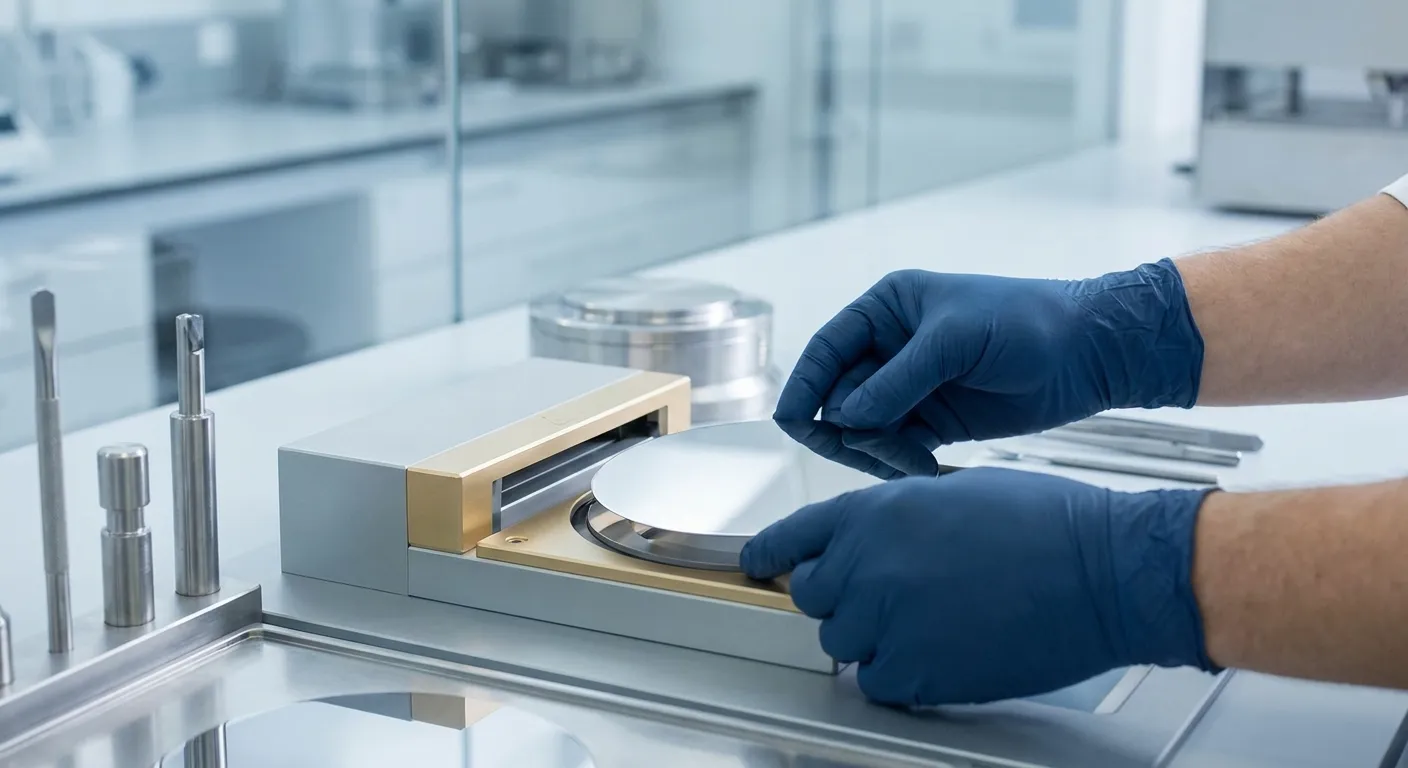
For cautious savers like Sarah, securing long-term financial stability often means looking beyond traditional investments. While the precious metals market can seem complex, understanding silver industrial demand is crucial for seeing silver’s inherent stability and true value. It’s not just a shiny asset; its worth is deeply rooted in real-world utility, making it a powerful tool for wealth protection.
The Unseen Power of Silver Industrial Demand
Many new investors focus solely on silver’s role as a monetary metal, overlooking its equally vital industrial applications. These industrial uses are a primary, and increasingly significant, driver of silver’s market trends. As we’ve seen in recent years, the demand from various industries has contributed substantially to silver’s remarkable performance.
Indeed, understanding the diverse applications of silver helps clarify its market behavior. This industrial reliance provides a fundamental underpinning to its price, offering a different perspective than purely speculative trading. For individuals seeking to protect their wealth, this practical utility is a compelling factor.
Powering Our Future: Solar and EVs
Silver is indispensable in the green energy revolution. Solar panel manufacturing, for instance, now accounts for approximately 16% of annual global silver demand, and this share continues to grow. As the world shifts towards renewable energy, the need for silver in photovoltaic cells only intensifies. This is a clear indicator of sustained demand.
Similarly, the electric vehicle (EV) industry, which currently uses about 2.9% of global silver demand, relies on silver for its conductivity in various electrical components, switches, and connections. These sectors represent consistent, growing demand that underpins silver’s long-term value. Therefore, the expansion of these technologies directly impacts the metal’s market.
Furthermore, government incentives and global environmental policies are accelerating the adoption of both solar power and EVs. Consequently, the demand for industrial silver in these areas is expected to rise considerably. This sustained growth trajectory offers a robust foundation for silver’s valuation.
The Digital Backbone: 5G, Semiconductors, and AI
Beyond green energy, silver is a quiet workhorse in our digital infrastructure. It’s critical for 5G infrastructure, ensuring rapid data transmission, and is a key component in semiconductors, the brains of all modern electronics. In fact, nearly every electronic device you use contains silver due to its superior electrical and thermal conductivity.
Perhaps most compellingly, the explosive growth of the Artificial Intelligence (AI) sector is believed to be a major new source of demand for silver. From advanced computing systems to data centers, AI’s reliance on high-performance electronics translates directly into increased silver consumption. This emerging sector promises significant future demand.
Additionally, medical devices, requiring precision and reliability, also depend on silver’s unique properties. Silver is used in surgical instruments, imaging equipment, and even some antimicrobial applications. This broad spectrum of uses highlights the metal’s irreplaceable role across modern industries.
The Persistent Challenge: Supply Deficits
Compounding the strong industrial demand is a persistent supply issue. The silver market has been in a structural deficit for five consecutive years by 2024, meaning demand has consistently outstripped mine supply. This deficit is projected to continue into 2026, exceeding 160-200 million ounces in 2025 alone. This scarcity naturally contributes to upward price pressure, reinforcing silver’s value proposition.
For cautious savers, this sustained imbalance between supply and demand offers a fundamental reason to consider silver as a stable, long-term asset. Mine production has struggled to keep pace with the accelerating needs of various industries, especially those driving the green and digital transitions. This creates a compelling economic scenario.
Moreover, the cost of extracting silver is rising, and new discoveries are becoming less frequent. This further limits the potential for a sudden surge in supply. Consequently, the dynamics of supply and demand suggest a continued supportive environment for silver prices, driven by its essential industrial applications.
Understanding these market forces can help investors make informed decisions. The consistent demand from essential industries, coupled with constrained supply, presents a strong case for silver’s intrinsic value. This is particularly relevant for those seeking to diversify and protect their savings.
Why Real-World Utility Matters for Cautious Savers
For investors like Sarah, who prioritize wealth preservation and stability, the fact that silver’s value is rooted in essential industrial uses is a powerful reassurance. It means its price isn’t solely dependent on investor sentiment or speculative trading; instead, it’s tied to tangible, indispensable applications that are critical for global progress. This real-world utility provides a robust foundation.
Consider, for example, how silver facilitates the transition to renewable energy. Without silver, solar panels would be far less efficient, and electric vehicles would struggle with their electrical systems. These are not luxury items; they are foundational technologies for our future. Therefore, the demand for industrial silver is not discretionary.
Furthermore, the growth of new technologies like AI and advanced computing ensures that the need for silver will only expand. As our world becomes more interconnected and technologically advanced, the reliance on materials like silver will deepen. This long-term trend offers significant stability to its value.
Many financial experts and institutions acknowledge the growing importance of industrial demand for silver. For instance, The Silver Institute frequently publishes reports detailing the expanding applications and market dynamics. This independent research supports the notion that silver’s industrial role is increasingly vital. You can explore more about silver’s market trends on reputable sites like The Silver Institute.
Choosing to invest in silver means investing in a metal that powers the modern world. It offers a tangible asset with inherent utility, providing a hedge against inflation and economic uncertainty. This makes it an appealing option for individuals focused on long-term financial security.
How Silver Industrial Demand Shapes Your Investment
The continuous expansion of sectors like solar, EVs, 5G, and AI directly translates into sustained and increasing silver industrial demand. This fundamental demand acts as a stabilizing force for its price, even during periods of economic fluctuation. Unlike assets whose value can be purely speculative, silver benefits from its essential role in manufacturing.
For new investors, this provides a clear, understandable reason to consider silver. It’s not just about historical monetary value; it’s about present and future utility. This makes silver a practical addition to a diversified portfolio, especially for those who value assets with intrinsic worth.
Moreover, the projections for future technological advancements suggest that the need for silver will only intensify. Innovations in areas like quantum computing and advanced robotics will likely discover new applications for this versatile metal. Consequently, the outlook for industrial consumption remains strong.
When you invest in physical silver, you are holding a commodity that literally builds the future. This perspective can bring confidence to your investment decisions, knowing that your asset is integral to global progress. For further insights into precious metals, you might find our Investment Guides helpful.
Understanding Market Dynamics and Global Trends
Global economic shifts and technological revolutions consistently highlight the importance of silver industrial demand. For instance, as nations commit to carbon neutrality goals, the infrastructure required for renewable energy expands rapidly. Silver is at the heart of this expansion, making it a critical strategic metal.
It is important to differentiate between speculative trading and long-term investment based on fundamental demand. While short-term prices can fluctuate, the underlying industrial need provides a strong floor for silver’s value over time. This distinction is vital for cautious savers.
Furthermore, geopolitical factors can also influence the supply chain of critical minerals, including silver. Diversifying your investments with assets that have robust industrial applications can offer a degree of protection against such uncertainties. This makes silver a resilient component of a balanced portfolio.
The growth trajectory of these high-tech industries is not slowing down. In fact, many analysts predict an acceleration in technological innovation, which will only bolster the need for materials like silver. This means that the core drivers of its value are set to strengthen.
For those looking to understand the broader economic landscape influencing silver, reputable sources like the World Gold Council also offer valuable insights into precious metals markets. Although focused on gold, their analysis often touches upon the interplay of various precious metals. You can explore their research at World Gold Council.
Conclusion
In conclusion, the true value behind your silver investment extends far beyond its traditional role as a monetary metal. Silver industrial demand, driven by the green energy revolution, digital infrastructure, and emerging technologies like AI, firmly establishes its indispensable role in the modern world. Coupled with persistent supply deficits, this robust industrial utility provides a powerful and stable foundation for its long-term worth.
For cautious savers and first-time investors, understanding these real-world applications offers a clear and reassuring perspective. Investing in silver means investing in a material that is actively building our future, offering a tangible asset with enduring value and significant wealth protection potential. It’s a straightforward approach to safeguarding your financial future.
If you have more questions about precious metals or need assistance, please feel free to Get in Touch with our team. We are here to help you navigate your investment journey with clarity and confidence.
Frequently Asked Questions
What are the primary industrial uses of silver?
Silver’s primary industrial uses include solar panels, electric vehicles (EVs), 5G technology, semiconductors, and medical devices. Its superior electrical and thermal conductivity makes it vital for these advanced applications.
How does global technology growth affect silver’s value?
Global technology growth significantly boosts the demand for industrial silver. As industries like AI, renewable energy, and advanced electronics expand, their reliance on silver as a key component increases, contributing to the metal’s intrinsic value and market stability.
Why is there a supply deficit in the silver market?
The silver market has experienced supply deficits because demand from various industries has consistently outpaced the rate of mine production. Factors like rising extraction costs and fewer new discoveries also contribute to this imbalance.
Is silver only used in high-tech industries?
While high-tech industries are major consumers, silver also has applications in photography, water purification, and as an antimicrobial agent in various products. Its versatility extends beyond just cutting-edge electronics.
How important is industrial use compared to investment demand for silver?
Industrial use is incredibly important for silver’s overall demand, often accounting for more than half of annual consumption. This real-world utility provides a fundamental floor for its price, complementing and sometimes outweighing purely investment-driven demand.