
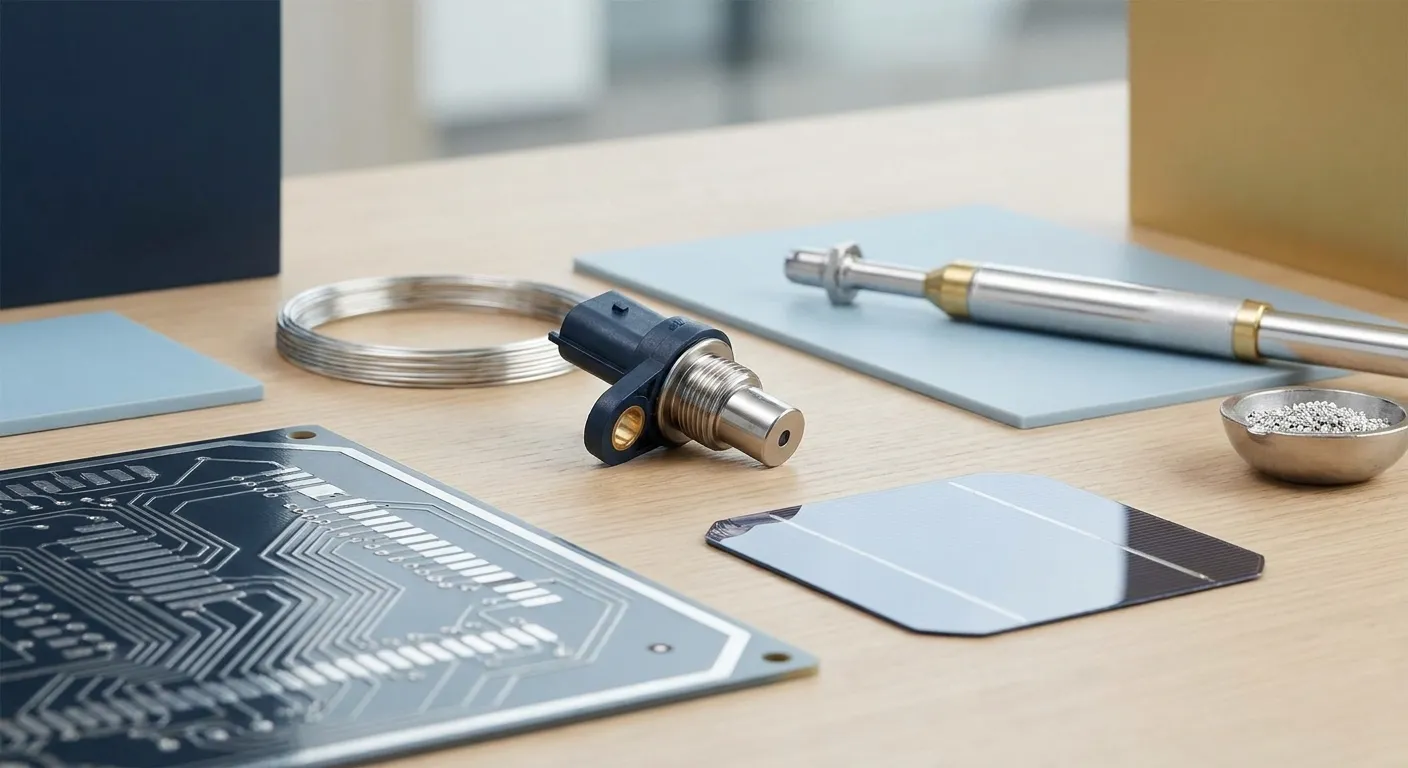
For cautious savers like Sarah, who prioritize long-term financial security and protection against inflation, understanding the true drivers of an asset’s value is paramount. When it comes to precious metals, many focus on their role as a safe haven, but silver offers a compelling additional layer of stability: its robust industrial utility. This article will explore the powerful silver industrial demand drivers that underpin its market stability and growth potential, making it a foundational asset for wealth preservation.
Silver Beyond the Safe Haven: A Critical Industrial Metal
While gold often takes the spotlight for its monetary history, silver is far more versatile, deeply embedded in the fabric of modern technology. This dual nature—both a precious metal and an essential industrial commodity—gives silver a unique resilience. Unlike purely speculative assets, a significant portion of silver’s value is rooted in real-world consumption and innovation.
Recent years, particularly 2025 and 2026, have underscored this trend. Industrial applications are not just a minor factor; they are a crucial and growing demand driver for silver. The market has observed silver’s remarkable surge, with prices reaching new highs, partly fueled by this accelerating industrial need. Therefore, understanding these forces is essential for anyone considering precious metals.
Key Silver Industrial Demand Drivers Shaping the Market
Several sectors are voracious consumers of silver, ensuring consistent demand regardless of investment sentiment:
The Solar Energy Revolution
Solar panel manufacturing stands out as a dominant force. Accounting for approximately 16% of annual global silver demand, this share continues its upward trajectory. As nations worldwide commit to renewable energy goals, the demand for solar technology—and thus silver—is projected to climb steadily. This isn’t a fleeting trend; it’s a structural shift towards sustainable energy, making silver an indispensable component. For example, a typical solar panel uses about 20 grams of silver, meaning millions of panels translate into significant silver consumption. Consequently, the expansion of solar farms globally directly impacts silver’s market.
Electric Vehicles (EVs) and the Future of Transport
Another significant contributor is the electric vehicle (EV) industry, which currently accounts for about 2.9% of global silver demand. Each EV contains numerous silver components, from battery connections to conductive pastes and switches. As global EV adoption accelerates, so too will the demand for silver, creating a continuous baseline for its value. In fact, a single EV can contain between 25-50 grams of silver. This substantial usage per vehicle, combined with increasing production targets, paints a clear picture of future silver consumption. For more insights on market trends, you might review our Silver News section.
The Digital Backbone: 5G, Semiconductors, and AI
Beyond solar and EVs, silver is indispensable in a myriad of high-tech applications:
- 5G Infrastructure: The rollout of 5G networks requires vast quantities of silver for connectors and conductive elements, facilitating faster, more reliable communication. This ensures robust data transmission.
- Semiconductors: Silver’s superior electrical and thermal conductivity makes it ideal for semiconductors, the brains of all modern electronics. From smartphones to supercomputers, these tiny components rely on silver.
- Medical Devices: From surgical instruments to diagnostic equipment, silver’s antibacterial properties and conductivity are highly valued. Its non-toxic nature makes it safe for various medical applications.
- Artificial Intelligence (AI) Hardware: The advanced processing units required for AI systems often utilize silver in their intricate circuitry, ensuring efficient performance.
These diverse applications highlight the metal’s integral role across modern society. Therefore, the expansion of these technologies directly strengthens the fundamental value of silver.
Understanding the Broader Industrial Consumption of Silver
While solar, EVs, and electronics are major players, numerous other industries also contribute significantly to the overall industrial demand for silver. Its unique properties, such as its excellent conductivity, reflectivity, and antibacterial qualities, make it irreplaceable in many specialized applications.
Photography (Legacy and Niche)
Historically, photography was a massive consumer of silver, especially in traditional film development. While digital photography has reduced this demand, specialized applications, such as X-ray film and certain artistic photographic processes, still rely on silver halides. Consequently, this niche market continues to contribute to the overall consumption patterns.
Brazing and Soldering
Silver alloys are widely used in brazing and soldering dueposing strong, corrosion-resistant bonds. These applications are critical in industries ranging from refrigeration and air conditioning to aerospace and automotive manufacturing. Therefore, the continued need for durable metal joining ensures ongoing demand for silver in these areas.
Water Purification
Silver’s oligodynamic effect, its ability to kill bacteria and other pathogens, makes it invaluable in water purification systems. From household filters to large-scale industrial purification, silver-impregnated ceramics and carbon filters are commonly employed. This application underscores silver’s role in public health and infrastructure.
Chemical Production
In the chemical industry, silver acts as a catalyst in the production of various compounds, including ethylene oxide, a key ingredient in plastics and antifreeze. Its catalytic properties are essential for efficient and environmentally sound chemical processes. As a result, industrial silver consumption remains robust in this sector.
The Economic Impact of Industrial Silver Use
The consistent and growing industrial requirement for silver provides a strong floor for its price. Unlike gold, which is primarily a monetary asset and jewelry metal, silver’s value is constantly being consumed and replenished in manufacturing processes. This consumption creates an ongoing need for new supply, influencing mining operations and market dynamics. Consequently, understanding these supply and demand fundamentals is crucial for investors.
Moreover, the global push towards sustainability and technological advancement acts as a powerful tailwind for silver. Green technologies, in particular, are rapidly expanding. This expansion directly translates into increased requirements for silver, reinforcing its long-term value proposition. The Silver Institute consistently reports on these trends, offering valuable data on the global market.
Furthermore, the recycling of industrial silver is challenging and often uneconomical for many applications, particularly in small electronic components. This means that a significant portion of industrial silver is essentially ‘lost’ to the economy after its initial use, further driving the need for primary supply. This factor distinguishes silver from other metals that are more easily recycled, such as copper.
Investing in Silver: Why Industrial Demand Matters for Your Portfolio
For individuals looking to protect their wealth and diversify their portfolios, silver’s industrial utility offers a compelling reason for inclusion. Its role in essential and growing industries provides a layer of stability that purely speculative assets lack. This means that even during periods of economic uncertainty, a fundamental level of demand persists due to ongoing manufacturing needs. Therefore, considering silver as a tangible asset can be a prudent strategy.
When you invest in physical silver—whether coins, bars, or rounds—you are holding a metal with intrinsic value derived from both its monetary history and its modern industrial applications. This dual nature makes silver a unique asset class. It offers protection against inflation while also participating in the growth of new technologies. Moreover, the long-term outlook for industrial silver usage appears strong, supported by global trends like urbanization and electrification. You can explore various investment options in our Investment Guides.
It is important to remember that while the industrial demand for silver is a powerful force, other factors, such as investment demand, geopolitical events, and currency fluctuations, also influence its price. However, the consistent consumption by industries provides a strong foundational support. This helps to mitigate some of the volatility that might be seen in assets purely driven by sentiment.
The Future Outlook for Industrial Silver Consumption
Looking ahead, the trajectory for industrial silver consumption appears robust. The transition to renewable energy sources, particularly solar power, is accelerating globally. Similarly, the electrification of transportation through EVs is a megatrend that will continue for decades. Furthermore, the relentless pace of innovation in electronics, AI, and 5G technology ensures that silver will remain a critical component in the products that define our future.
Analysts often project significant increases in silver demand from these sectors over the next five to ten years. For example, some reports suggest that solar demand alone could consume an even larger percentage of annual silver supply as efficiency improvements in panels continue to require more silver per unit or as overall panel production skyrockets. This sustained demand profile offers a compelling long-term narrative for silver investors.
Moreover, new applications for silver are continually being discovered and developed. Its unique properties mean it is often the best, or only, material for certain cutting-edge technologies. This ongoing innovation further secures silver’s place as an indispensable industrial metal, ensuring its relevance for generations to come. For instance, the use of silver nanoparticles in advanced materials and medical diagnostics is an area of active research and development, promising future sources of demand.
Conclusion: Silver’s Enduring Value Through Industrial Utility
Silver’s value extends far beyond its traditional role as a precious metal. The powerful silver industrial demand drivers, fueled by the solar revolution, electric vehicles, and the ever-expanding world of high-tech electronics, underscore its critical importance in modern society. For individuals like Sarah, who seek security and growth in their investments, understanding these fundamental forces is key. Silver’s dual nature—both a store of value and an essential industrial commodity—makes it a truly unique and resilient asset. Its consistent consumption in vital industries provides a strong, underlying support for its market stability and future growth potential. Therefore, incorporating silver into a diversified portfolio can offer both wealth preservation and exposure to global technological advancement. You can learn more about precious metals and their roles in wealth protection by exploring other resources, such as reports from the U.S. Geological Survey.
Frequently Asked Questions
What are the primary factors driving silver’s industrial use?
The main factors include the solar energy sector, electric vehicle manufacturing, and various high-tech applications such as 5G networks, semiconductors, and advanced medical devices. These industries rely on silver’s superior conductivity and other unique properties.
How much of global silver consumption goes to industrial applications?
A significant portion, typically over 50% of annual global silver demand, is attributed to industrial uses. This percentage often fluctuates but consistently highlights the metal’s importance in manufacturing.
Why is silver so important for green technologies?
Silver is crucial for green technologies primarily because of its exceptional electrical conductivity and reflectivity. These properties make it indispensable for efficient solar panels and the numerous electronic components found in electric vehicles and other renewable energy infrastructure.
Does the demand for industrial silver affect its price significantly?
Yes, industrial consumption plays a substantial role in supporting silver’s price. Consistent demand from manufacturing sectors provides a fundamental floor for its value, reducing volatility that might otherwise occur if its price were solely driven by investment sentiment.
Are there any new industrial uses for silver emerging?
Indeed, research and development continue to uncover new applications. Emerging uses include silver nanoparticles in advanced materials, specialized medical diagnostics, and innovative catalytic processes in the chemical industry, ensuring its long-term industrial relevance.