

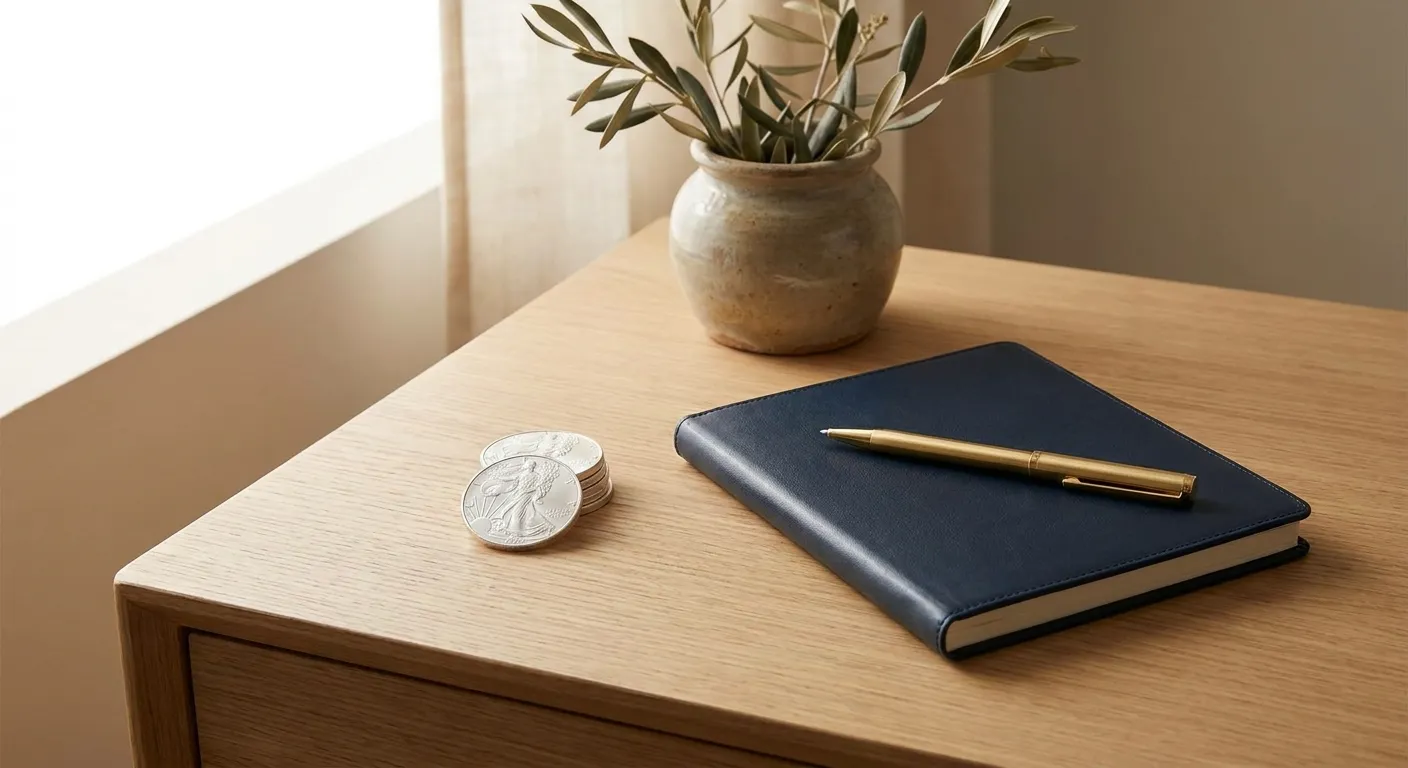
As a cautious saver, your primary goal is likely to protect your hard-earned money and ensure its value grows steadily over the long term. In a financial landscape that often feels unpredictable, finding assets that offer both stability and growth potential is key. This is where silver for wealth preservation becomes a compelling strategy. At Silver Spot Prices, we empower you with the knowledge to understand silver’s unique role in securing your financial future, free from unnecessary complexity.
The Power of Diversification with Silver
Diversification is a cornerstone of sound financial planning, especially for cautious investors. It means spreading your investments across different asset classes to reduce risk. Precious metals, particularly silver, offer an excellent avenue for diversification because they often behave differently than traditional assets like stocks and bonds. This non-correlation can help stabilize your portfolio during market downturns. Financial experts frequently recommend allocating a portion of your portfolio, typically 5-15%, to precious metals to enhance resilience against market volatility. Therefore, considering silver as a component of a diversified portfolio is a prudent step.
Silver as an Inflation Hedge
One of the most significant threats to a saver’s wealth is inflation, which erodes purchasing power over time. Silver has historically served as a robust hedge against inflation, helping to preserve the real value of your savings. For example, silver experienced a remarkable surge in 2025, gaining approximately 144%—its sharpest annual advance since 1979. This demonstrates its potential to not only protect but also significantly grow wealth during periods of rising prices. By holding silver, you are investing in an asset that tends to appreciate when the cost of goods and services increases, offering a tangible shield for your financial future. Consequently, many cautious savers turn to silver to mitigate inflationary pressures.
Building Financial Resilience with Tangible Assets
In times of economic uncertainty, geopolitical instability, or even currency fluctuations, tangible assets like physical silver offer a unique sense of security. Unlike digital or paper assets that rely on the stability of financial systems, physical silver is a direct, portable store of value. This tangibility provides peace of mind, knowing your wealth is not solely dependent on the performance of a company or the policies of a government. It contributes to overall financial resilience, making your portfolio more robust against unforeseen challenges. Furthermore, owning a physical asset offers a sense of control that can be reassuring during volatile periods.
Beyond Short-Term Gains: The Long View of Silver for Wealth Preservation
While silver can experience significant price movements, approaching silver for wealth preservation means focusing on its long-term potential rather than speculative short-term gains. Its value is underpinned by a dual nature:
- Industrial Demand: As discussed in previous content, silver is crucial for burgeoning industries like solar PV, electric vehicles, and advanced electronics. This consistent industrial consumption creates a baseline demand for the metal. In fact, the AI boom itself runs on metals, mines, and massive debt, indicating a strong future for industrial demand.
- Investment Demand: Beyond its industrial uses, silver is also highly sought after by investors as a store of value. This dual demand provides a strong foundation for its price stability and long-term appreciation.
Therefore, understanding these fundamental drivers helps investors appreciate silver’s role in a long-term strategy. The focus is on steady growth and protection, not quick profits.
Understanding Market Dynamics and Silver’s Value
The price of silver is influenced by a variety of factors, including global economic health, industrial innovation, and investor sentiment. For instance, a growing global economy often leads to increased industrial demand for silver, as it is a vital component in many manufacturing processes. Conversely, during periods of economic uncertainty, investors often flock to safe-haven assets like silver, driving up its investment demand. Therefore, silver’s price can react to both positive and negative economic news in different ways, making it a versatile asset.
Moreover, the supply side also plays a crucial role. Mine production, recycling rates, and existing stockpiles all impact the availability of silver. Currently, there’s an observed deficit in the silver market, with reports indicating a significant shortage. For example, a 46.3 million oz deficit in silver suggests that the float is already thinning, which could support higher prices in the future. Understanding these supply and demand dynamics is essential for anyone considering precious metals for wealth protection.
The Role of Scarcity and Monetary History
Historically, silver has served as money for thousands of years, alongside gold. Its intrinsic value is recognized across cultures and civilizations, giving it a unique standing among commodities. This long history as a medium of exchange and store of value contributes to its perception as a reliable asset during periods of economic instability. In fact, archaeological finds like Viking silver treasure unearthed in a Danish garden highlight its enduring value throughout history. Furthermore, unlike fiat currencies, which can be printed in unlimited quantities, silver is a finite resource. This inherent scarcity adds to its appeal as a hedge against currency debasement and inflation. As governments grapple with significant national debts, such as the estimated 40 trillion in debt, tangible assets like silver become even more attractive. This makes silver for wealth preservation a particularly compelling option.
Practical Steps for Investing in Physical Silver
For cautious savers, investing in physical silver is often the preferred method for wealth preservation. This typically involves purchasing silver bullion, such as coins or bars. Here are some practical considerations:
- Reputable Dealers: Always purchase from well-established and trusted dealers to ensure authenticity and fair pricing.
- Storage: Decide on a secure storage solution, whether it’s a home safe, a bank safe deposit box, or a professional vaulting service.
- Purity: Opt for high-purity silver (e.g., .999 fine silver) to ensure its universally recognized value.
- Cost-Averaging: Consider buying silver in smaller increments over time to average out your purchase price and reduce risk from market fluctuations.
These steps help ensure a secure and sensible approach to acquiring silver as a long-term asset. Moreover, understanding the ins and outs of buying physical silver empowers you to make informed decisions for your financial future.
Comparing Silver to Other Precious Metals
While gold is often considered the primary safe-haven asset, silver offers unique advantages, especially for budget-conscious investors. Silver is generally more affordable per ounce than gold, making it more accessible for those just starting their precious metals journey. This lower entry point allows for greater flexibility in accumulating physical assets. Furthermore, silver often exhibits higher volatility than gold, meaning it can experience larger percentage gains during bull markets. This can be an attractive feature for those seeking greater growth potential within the precious metals sector, while still prioritizing wealth protection. Therefore, while gold certainly has its place, silver provides a distinct value proposition for wealth preservation.
Indeed, some experts, like Peter Krauth, even see silver reaching significant price targets, suggesting its strong potential for appreciation. However, it’s crucial to remember that both metals play a vital role in a diversified portfolio. The choice between them, or the allocation to each, often depends on individual financial goals and risk tolerance. For many, a combination of both gold and silver offers the most robust strategy for securing wealth. This balanced approach to precious metals can provide comprehensive protection against various economic uncertainties.
The Future Outlook for Silver
The long-term outlook for silver remains strong, driven by both its industrial applications and its role as a monetary metal. The ongoing global transition to green energy, including solar power and electric vehicles, promises sustained and increasing demand for silver. Additionally, the rapid advancements in technology, particularly in areas like artificial intelligence and advanced electronics, will further solidify silver’s industrial importance. As a result, analysts often forecast a positive trajectory for silver prices in the coming years. This robust demand profile underpins the confidence many investors place in silver for wealth preservation.
Furthermore, global economic trends and geopolitical developments continue to highlight the need for tangible assets. With central banks often engaging in quantitative easing and governments facing mounting debts, the appeal of assets outside the traditional financial system grows. This environment makes the case for investing in physical silver even stronger. Ultimately, for cautious savers seeking a reliable store of value and a hedge against future uncertainties, silver presents a compelling and straightforward solution. It is a tangible asset that has stood the test of time, offering both stability and growth potential.
Conclusion: Embracing Silver for a Secure Future
For cautious savers focused on protecting and growing their wealth, silver for wealth preservation is a strategy worth serious consideration. Its unique combination of industrial demand, historical role as money, and effectiveness as an inflation hedge makes it an invaluable component of a diversified portfolio. At Silver Spot Prices, we believe in empowering you with clear, concise information to make confident financial decisions. By understanding the enduring value and practical benefits of silver, you can take a proactive step towards securing your financial future, free from unnecessary jargon and complexity. Embrace the stability and potential of silver to build lasting financial resilience.
FAQ: What makes silver a good investment for protecting wealth?
Silver offers several key benefits for protecting wealth. It acts as a hedge against inflation, meaning its value tends to rise when the cost of goods and services increases. It also provides diversification for a portfolio, as its price movements often differ from stocks and bonds. Furthermore, as a tangible asset, physical silver offers a sense of security and a direct store of value, independent of financial systems.
FAQ: How much of my portfolio should I allocate to precious metals?
Financial experts often suggest allocating a portion of your portfolio, typically between 5% and 15%, to precious metals like silver. This allocation helps to enhance resilience against market volatility and economic uncertainty without over-concentrating your investments. The exact percentage depends on your individual financial goals and risk tolerance.
FAQ: Is physical silver better than silver ETFs for long-term wealth protection?
For long-term wealth protection, many cautious savers prefer physical silver over silver Exchange Traded Funds (ETFs). Physical silver provides direct ownership of a tangible asset, offering true independence from the financial system. Silver ETFs, while convenient, represent shares in a fund that holds silver, introducing counterparty risk. Owning physical silver ensures you hold the asset directly, which is often crucial for long-term security.
FAQ: How does industrial demand impact the value of silver for wealth protection?
Industrial demand significantly impacts silver’s value because silver is a critical component in many modern technologies, including solar panels, electric vehicles, and electronics. This consistent demand from growing industries creates a strong baseline for silver’s price. Even when investment demand fluctuates, industrial consumption provides underlying support, contributing to silver’s stability and long-term appreciation as an asset for wealth preservation.
FAQ: What are the risks associated with using precious metals for wealth safeguarding?
While precious metals like silver offer significant benefits for wealth safeguarding, they are not without risks. Price volatility can occur, and there can be storage costs and insurance considerations for physical assets. Additionally, while silver tends to perform well during inflation, its value can also be affected by strong economic growth or changes in industrial demand. It’s important to understand these factors and consider them as part of a balanced investment strategy.
Related reading:

