

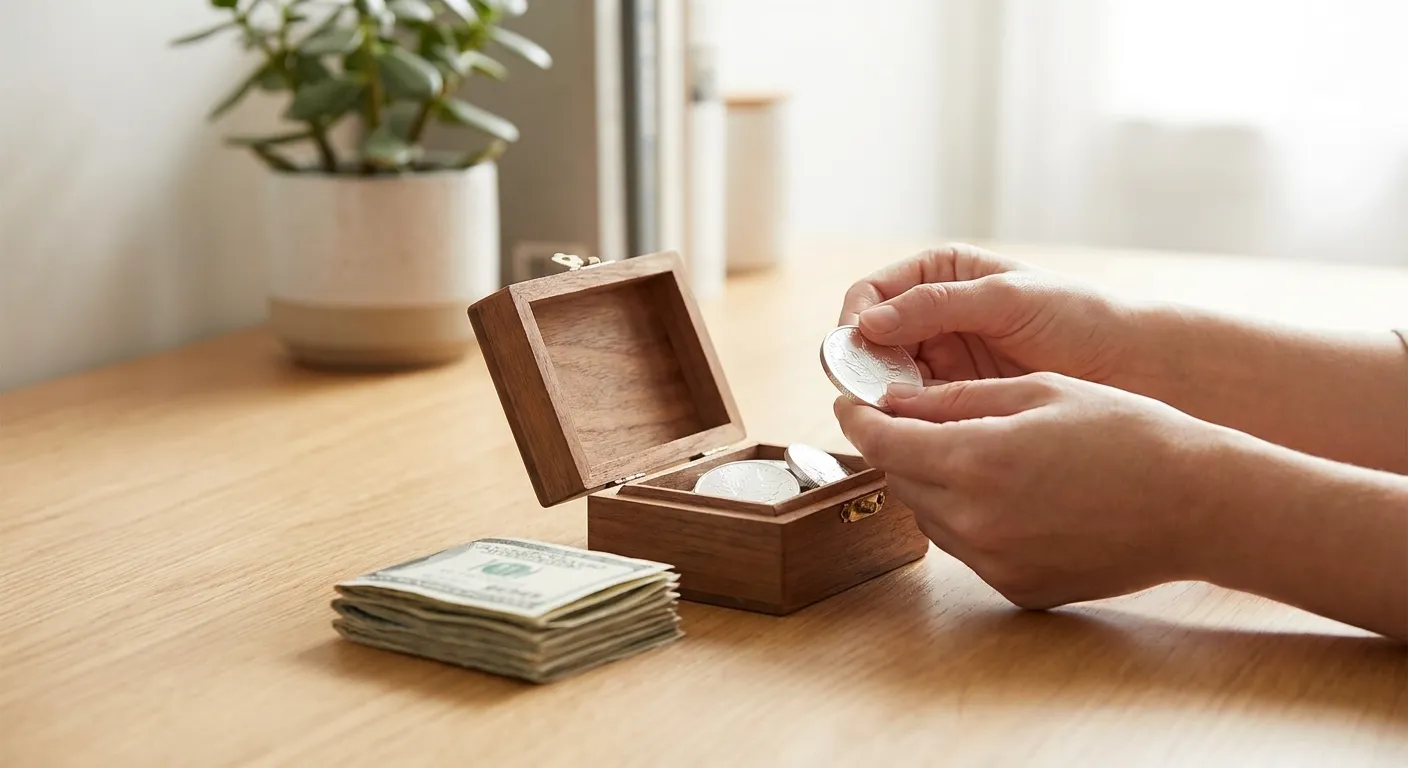
In an era where financial stability feels increasingly uncertain, many cautious savers, like Sarah, are seeking reliable ways to safeguard their hard-earned money. The constant erosion of purchasing power due to inflation is a genuine concern. How can you ensure your wealth retains its value over time? One powerful, yet often overlooked, strategy is to protect savings with silver. For centuries, silver has served as a trusted store of value, offering a tangible shield against economic fluctuations and currency devaluation.
Understanding Inflation and Its Impact on Your Wealth
Inflation is simply the rate at which the general level of prices for goods and services is rising, and consequently, the purchasing power of currency is falling. If your savings are sitting in a traditional bank account earning minimal interest, inflation can silently diminish their real value year after year. For someone focused on long-term financial security, this invisible tax on savings is a significant threat. Understanding this dynamic is the first step towards making informed decisions about wealth protection.
Consider, for instance, the cost of everyday goods. Over time, a dollar buys less than it used to. This phenomenon directly impacts your financial well-being. Therefore, finding assets that can maintain or even increase their value alongside or ahead of inflation is crucial. Many individuals, especially those new to investing, often overlook the long-term implications of inflation on their liquid assets. However, recognizing this challenge is key to building a resilient financial future.
Why Cautious Savers Choose Silver to Protect Savings With Silver
Silver’s appeal as a wealth protector stems from several core characteristics. Unlike paper currency, silver possesses intrinsic value; it’s a finite resource with industrial and ornamental uses, independent of government decree or central bank policies. This inherent value makes it a robust asset, particularly when facing inflationary pressures. Furthermore, its role in modern technology, from solar panels to electronics, ensures ongoing demand.
Silver as a Hedge Against Economic Uncertainty
Historically, silver has demonstrated a tendency to perform well during periods of economic instability or high inflation. When confidence in traditional financial systems wavers, investors often turn to tangible assets. Silver, alongside gold, becomes a safe haven, acting as a natural hedge against the devaluation of fiat currencies. Its tangible nature provides a sense of security and control that digital or paper assets simply cannot offer.
Indeed, many financial experts consider precious metals a foundational element for a diversified portfolio. During times of geopolitical tension or market volatility, the demand for physical assets often increases. This trend underscores silver’s role as a reliable asset in uncertain times. Moreover, its historical performance during crises provides a compelling argument for its inclusion in a wealth preservation strategy. You can learn more about these dynamics by exploring The Hidden Truth About Money, Inflation & Power.
Accessibility and Simplicity for Wealth Protection
For those new to precious metals, silver offers an accessible entry point. Its lower price point compared to gold makes it more attainable for budget-conscious investors looking to diversify their portfolios without significant upfront capital. The concept of owning physical silver is straightforward: you hold a real asset, free from the complexities and jargon often associated with other financial instruments. This simplicity aligns perfectly with the needs of cautious savers seeking clarity and transparency.
In addition, buying silver is a relatively simple process. You can purchase physical silver in various forms, such as coins, bars, or rounds, from reputable dealers. This direct ownership provides a sense of security that many other investment vehicles lack. Furthermore, the global market for silver is robust, ensuring liquidity when you decide to sell. Ultimately, for individuals looking to safeguard their finances without navigating intricate financial markets, silver presents a clear and appealing option.
The Tangible Advantage: Physical Silver vs. Other Assets
While there are many avenues for investment, few offer the tangible security of physical silver. Unlike stocks, bonds, or even digital currencies, physical silver cannot be hacked, deleted, or rendered worthless by a server crash. It represents a direct claim on a real, valuable commodity. Consequently, this physical presence offers peace of mind that purely digital or paper assets cannot replicate.
Consider the recent fluctuations in various markets. Many traditional assets have shown considerable volatility. However, physical silver has consistently held its intrinsic value. This resilience makes it an attractive choice for those whose primary goal is wealth preservation rather than speculative growth. Moreover, storing physical silver, while requiring careful consideration, is a manageable process that puts control directly in your hands.
How to Protect Savings With Silver: Practical Steps
Embarking on the journey to protect savings with silver involves a few straightforward steps. First, educate yourself on the different forms of physical silver available. These include bullion coins like American Silver Eagles or Canadian Silver Maples, and silver bars of various weights. Understanding the pros and cons of each will help you make an informed decision tailored to your needs.
Second, choose a reputable dealer. Look for dealers with a strong track record, transparent pricing, and excellent customer service. Checking reviews and industry affiliations can provide reassurance. Third, decide on a storage method. Options range from secure home storage to professional vaulting services. Each method has its own security implications and costs, so select one that aligns with your comfort level and investment size.
Finally, consider the amount you wish to allocate. While silver is a valuable asset, diversification remains key. Many financial advisors suggest allocating a portion of your overall portfolio to precious metals, rather than placing all your wealth in one asset class. This balanced approach helps mitigate risks while still allowing you to benefit from silver’s protective qualities. For current market insights, check Silver Spot Prices Today.
Understanding Silver’s Market Dynamics
The price of silver is influenced by a variety of factors, including industrial demand, investment demand, and mining supply. Industrial uses, especially in electronics and green technologies, account for a significant portion of silver consumption. For example, the growing solar energy sector heavily relies on silver, creating consistent demand. This industrial backbone adds a layer of stability to silver’s value.
Investment demand, conversely, often surges during economic uncertainty or when inflation concerns rise. As a result, global events and economic reports can significantly impact silver prices. Keeping an eye on these broader trends can help you understand the market better. For instance, reports like the COT Silver Report offer valuable insights into market sentiment and positioning.
Furthermore, geopolitical events can also play a role. News from the Middle East, for example, can sometimes lead to an increase in precious metal prices as investors seek safe havens. This was evident in instances where Gold & Silver Pop Higher on Middle East News. Understanding these interconnected factors helps in appreciating silver’s unique position in the global economy and its potential to protect savings with silver.
The Role of Silver in a Diversified Portfolio
Diversification is a fundamental principle of sound financial planning. Including silver in your portfolio can enhance its resilience. Silver often moves independently of traditional financial assets like stocks and bonds, meaning it can provide a counterbalance during market downturns. Consequently, this non-correlation helps to smooth out overall portfolio volatility.
Moreover, for those looking to protect savings with silver, it acts as a long-term store of value. It’s not typically an asset for short-term trading, but rather a strategic holding designed to preserve wealth against inflation and economic instability. This makes it particularly suitable for cautious savers and those planning for retirement. Therefore, considering silver as a component of a well-rounded investment strategy is a prudent choice.
Many financial advisors recommend a small allocation to precious metals, typically between 5% and 15% of a total portfolio, depending on individual circumstances and risk tolerance. This allocation aims to provide a hedge without over-exposing the portfolio to a single asset class. Ultimately, adding silver can strengthen your financial foundation and help preserve your purchasing power over decades.
Common Misconceptions About Silver Investment
Despite its benefits, several misconceptions sometimes deter individuals from considering silver. One common myth is that silver is only for the very wealthy or experienced investors. In reality, silver’s lower price point makes it accessible to almost anyone looking to start investing in precious metals. You can begin with smaller increments, such as one-ounce coins or bars.
Another misconception is that storing physical silver is overly complicated or risky. While security is paramount, reputable storage solutions, including home safes or professional vaults, are readily available and manageable. Furthermore, the fear of theft can be mitigated through proper insurance and secure storage practices. Many individuals find the peace of mind of owning a tangible asset outweighs these concerns.
Finally, some believe silver is merely a speculative asset with no real utility. However, as discussed, silver has significant industrial demand, which provides a floor to its value. It’s not just a shiny metal; it’s a crucial component in countless modern technologies. Dispelling these myths helps more individuals understand how to effectively protect savings with silver.
Looking Ahead: Silver’s Future in Wealth Protection
The future for silver as a wealth protector appears robust, driven by both its traditional role as a safe haven and its increasing industrial applications. As global economies continue to navigate periods of inflation and uncertainty, the appeal of tangible assets like silver is likely to grow. Furthermore, the ongoing push towards green energy and technological advancement will only increase demand for this versatile metal.
For individuals seeking to safeguard their financial future, understanding how to protect savings with silver offers a clear path. It represents a straightforward, time-tested method to preserve wealth against the silent erosion of inflation and the unpredictability of financial markets. By taking practical steps, choosing reputable sources, and integrating silver into a diversified strategy, you can build a more secure financial foundation.
Ultimately, silver empowers you with a tangible asset that stands apart from the complexities of modern finance. It provides a sense of control and resilience in an ever-changing economic landscape. Therefore, consider silver not just as an investment, but as a strategic tool for genuine wealth preservation. For further reading on economic shifts, explore articles like The Inflation Reality Check.
Conclusion: Embracing Tangible Wealth with Silver
In conclusion, the strategy to protect savings with silver stands as a powerful and accessible option for cautious savers. In an economic environment marked by persistent inflation and uncertainty, the intrinsic value and tangible nature of silver offer a compelling shield for your hard-earned money. Unlike paper currencies or digital assets, physical silver provides a direct, verifiable store of wealth that has endured for centuries.
By understanding inflation’s impact, recognizing silver’s unique characteristics as a hedge, and taking practical steps to acquire and store it, you can effectively safeguard your financial future. Silver’s accessibility, industrial demand, and historical performance make it an invaluable component of a diversified portfolio aimed at wealth preservation. Embrace the clarity and security that tangible assets like silver provide, ensuring your savings retain their true purchasing power for years to come.
FAQ: Protecting Your Wealth with Silver
What makes silver a good option for preserving wealth?
Silver has intrinsic value due to its industrial uses and scarcity, unlike paper currency. It historically acts as a hedge against inflation and economic uncertainty, helping to maintain purchasing power over time.
Is investing in physical silver complicated for beginners?
Not at all. Acquiring physical silver, such as coins or bars, is a straightforward process. It’s often considered simpler than navigating complex financial markets, making it ideal for those new to precious metals.
How does silver protect against inflation?
As inflation erodes the value of fiat currencies, tangible assets like silver often increase in value or hold their purchasing power. This makes it a reliable store of value when the cost of goods and services rises.
What forms of physical silver can I buy?
You can purchase physical silver in various forms, including bullion coins (like American Silver Eagles), silver bars (available in different weights), and silver rounds. Each has its own benefits and considerations for investors.
How much of my savings should I allocate to silver?
While there’s no one-size-fits-all answer, many financial experts suggest allocating a modest portion of your overall portfolio (e.g., 5-15%) to precious metals for diversification and wealth preservation. It’s important to consider your personal financial situation and goals.