

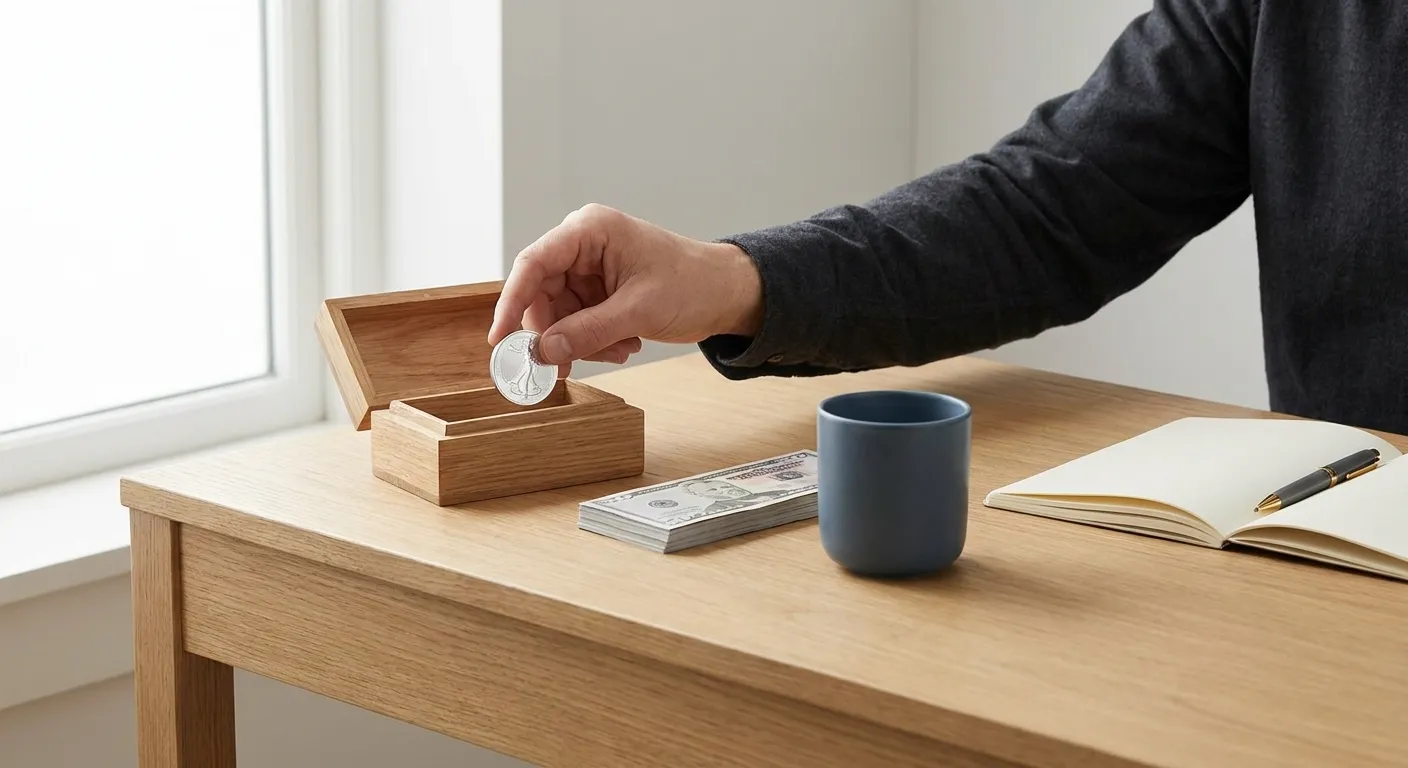
In an unpredictable economic landscape, many cautious savers find themselves seeking reliable ways to protect savings with silver, especially from the eroding effects of inflation. You’ve worked hard for your money, and the thought of its purchasing power diminishing can be concerning. This article demystifies silver investing, presenting it as a straightforward and accessible path to safeguarding your financial future.
Why Safeguarding Wealth with Silver is Important
Silver has long been recognized as a tangible asset, a physical commodity that holds intrinsic value. Unlike paper currencies, which can be subject to devaluation, silver acts as a stable store of wealth. For those new to precious metals, its role as a hedge against inflation is particularly appealing. When the cost of living rises, the value of traditional currency often falls, but assets like silver tend to maintain or even increase their purchasing power. This makes securing wealth with silver a prudent choice for long-term financial stability.
The Simplicity of Physical Silver Ownership
One of the greatest advantages of silver for cautious savers is its tangibility. Holding physical silver coins or bars provides a sense of security and control that digital assets or abstract investments often lack. You can see it, feel it, and store it. This direct ownership eliminates counterparty risk and offers peace of mind, knowing your wealth is not solely dependent on the stability of a financial institution or a fluctuating stock market. It’s a straightforward asset, easy to understand, and historically proven.
Getting Started: How to Buy Physical Silver
Investing in silver doesn’t require a complex financial background. The process is surprisingly simple. Here’s a basic overview:
- Choose a Reputable Dealer: Look for established precious metals dealers with transparent pricing and good customer reviews. Verification through industry associations can also add confidence.
- Select Your Form of Silver: Common options include silver bullion coins (like American Silver Eagles or Canadian Silver Maples) and silver bars (available in various weights). Coins are often preferred by beginners for their liquidity and recognizable denominations, while bars offer more silver per dollar.
- Understand Silver Spot Price: The silver spot price is the current market price at which silver can be bought or sold for immediate delivery. This price fluctuates throughout the day based on global supply and demand. Dealers will typically sell silver slightly above the spot price to cover their operational costs, often referred to as the premium. Understanding what affects silver value helps in making informed decisions. For current market data, you can check Silver Spot Prices Today.
- Consider Storage: Once purchased, you’ll need to decide on storage. Options include secure home storage (safe), a safe deposit box at a bank, or third-party vaulted storage services provided by reputable dealers. Each option has its own benefits regarding accessibility and security.
Moreover, when considering how to protect savings with silver, understanding the market dynamics is beneficial. The price of silver can be influenced by various factors, including industrial demand, investor sentiment, and global economic stability. For instance, reports like the COT Silver Report – June 22, 2026 can provide insights into market positioning by large traders.
Understanding Silver as a Hedge Against Inflation
Inflation is a persistent concern for many savers. It erodes the purchasing power of your money over time, meaning your savings buy less in the future than they do today. Historically, precious metals like silver have served as a reliable hedge against inflation. This means that as the cost of goods and services rises, the value of silver often increases, helping to preserve your wealth. For example, during periods of high inflation, investors frequently turn to tangible assets such as silver to safeguard their capital.
Furthermore, the connection between inflation and precious metals is well-documented. When currencies lose value, hard assets tend to become more attractive. This is because silver’s intrinsic value is not tied to any government’s fiscal policy or central bank’s decisions. Consequently, many view silver as a more stable alternative to traditional currency holdings during uncertain economic times. This makes it an effective strategy to protect savings with silver and maintain their real value.
The Role of Economic Uncertainty
Economic uncertainty often drives interest in silver. During times of geopolitical instability or market volatility, investors tend to seek safe-haven assets. Silver, alongside gold, is frequently chosen for this purpose. Its universal acceptance and long history as a medium of exchange contribute to its appeal during crises. Therefore, if you are concerned about economic downturns, adding silver to your portfolio can provide a layer of protection.
In addition, global events can significantly impact precious metal prices. For example, news about conflicts or major economic shifts often leads to increased demand for silver and gold. This phenomenon highlights silver’s role as a defensive asset. For insights on how global events affect precious metals, articles such as Gold & Silver Pop Higher on Middle East News can be very informative.
Different Forms of Silver for Investment
When you decide to protect savings with silver, you’ll encounter various forms suitable for investment. Each has its own characteristics, benefits, and considerations.
- Bullion Coins: These are government-minted coins, typically with a purity of .999 fine silver. Examples include the American Silver Eagle, Canadian Silver Maple Leaf, and Austrian Philharmonic. They are highly liquid, recognizable, and often carry a small premium over the spot price due to their sovereign backing. Many beginners prefer coins for their ease of trade and authenticity.
- Bullion Bars: Silver bars come in various sizes, from small one-ounce bars to larger 100-ounce or 1,000-ounce bars. They generally have lower premiums per ounce compared to coins, making them a cost-effective option for larger investments. Bars are produced by private mints and refineries.
- Rounds: Similar to coins but not government-issued, silver rounds are privately minted and usually depict various designs. They offer a cost-effective way to acquire silver, often with lower premiums than sovereign coins, but might be less liquid.
- Junk Silver: This refers to pre-1965 U.S. dimes, quarters, and half-dollars that contain 90% silver. They are valued for their silver content and are a popular choice for those seeking fractional silver ownership.
Choosing the right form depends on your investment goals, budget, and storage preferences. For instance, if you prioritize ease of storage and lower premiums, bars might be suitable. However, if you prefer highly recognizable and government-backed assets, bullion coins are an excellent choice. Ultimately, the goal is to find the option that best helps you safeguard your wealth with silver.
Key Considerations for Cautious Savers
Before making any investment decisions, cautious savers should consider several important factors when looking to protect savings with silver.
Storage Solutions
Physical silver requires secure storage. As mentioned earlier, options include home safes, safe deposit boxes, and third-party vaulted storage. Each option has different costs, insurance implications, and accessibility levels. Evaluate your comfort level with each and choose the solution that best fits your security needs and budget. Remember, proper storage is crucial to protect your investment.
Premiums and Pricing
The price you pay for physical silver will always be slightly above the silver spot price. This difference is known as the premium, which covers the dealer’s costs, fabrication, and profit. Premiums can vary based on the form of silver, the dealer, and market conditions. It’s wise to compare prices from several reputable dealers to ensure you are getting a fair deal. Understanding how premiums work is essential for smart silver acquisition.
Liquidity and Selling
While silver is a liquid asset, selling it typically involves selling back to a dealer or private buyer. The price you receive will usually be slightly below the spot price. It’s important to understand the buy-sell spread and factor it into your overall investment strategy. For many, the ability to easily convert physical silver into cash is a key reason to protect savings with silver.
The Long-Term Perspective: Silver as a Wealth Preserver
For cautious savers, the long-term perspective of silver is particularly appealing. Silver has demonstrated its ability to preserve wealth over centuries, acting as a tangible store of value that transcends economic cycles. While short-term price fluctuations can occur, its historical performance suggests it is a robust asset for maintaining purchasing power over extended periods. This makes it an ideal choice for those focused on securing wealth with silver for future generations.
Furthermore, silver’s dual role as both a monetary metal and an industrial commodity adds to its long-term appeal. Its demand in various industries, from electronics to solar panels, provides a fundamental floor to its value, separate from its investment demand. This industrial utility provides an additional layer of stability and growth potential that pure monetary assets might lack. Consequently, many individuals choose to protect savings with silver precisely because of these enduring characteristics.
Diversification Benefits
Including silver in your investment portfolio offers significant diversification benefits. It tends to move independently or even inversely to traditional financial assets like stocks and bonds. This means that when other parts of your portfolio might be struggling, silver could be performing well, thus reducing overall portfolio risk. Diversification is a cornerstone of sound financial planning, and adding silver can effectively enhance your portfolio’s resilience.
Moreover, diversifying your assets is a strategy widely recommended by financial experts. By not putting all your eggs in one basket, you mitigate the impact of adverse events in any single asset class. Silver’s unique characteristics make it an excellent component of a diversified portfolio, especially for those looking to protect savings with silver against systemic risks. The goal is to build a robust financial foundation that can withstand various market conditions.
Common Pitfalls to Avoid When Investing in Silver
While investing in silver can be straightforward, there are common mistakes that cautious savers should be aware of. Avoiding these can help ensure a smoother and more secure investment journey.
- Overpaying Premiums: Always compare prices from multiple reputable dealers. High premiums can significantly eat into your potential returns. Understanding the market for Silver Spot Prices Today helps you recognize fair pricing.
- Ignoring Storage Costs and Security: Neglecting secure storage can lead to loss or theft, negating the benefits of your investment. Factor in the costs of a safe, a safe deposit box, or vaulted storage.
- Impulsive Buying/Selling: Avoid making decisions based on short-term market hype or panic. Silver is best viewed as a long-term asset for wealth preservation.
- Falling for Scams: Be wary of unsolicited offers or dealers promising unrealistic returns. Stick to established, well-reviewed dealers. Check for industry certifications and memberships.
By being mindful of these pitfalls, you can enhance your strategy to protect savings with silver effectively. It’s about making informed, calm decisions rather than reactive ones. Remember, the goal is long-term financial security, not quick profits.
The Future of Silver as a Protective Asset
Looking ahead, silver’s role as a protective asset appears strong. Its increasing demand in green technologies, such as solar panels and electric vehicles, is projected to grow significantly. This industrial demand, combined with its traditional role as a monetary metal, suggests a robust future for silver. Consequently, for those seeking to protect savings with silver, the outlook remains positive.
Furthermore, the ongoing global economic shifts and potential for continued inflation make a strong case for silver’s enduring value. As governments continue to grapple with debt and monetary expansion, the appeal of tangible assets like silver is likely to persist. This fundamental strength reinforces its position as a reliable component of a balanced financial strategy. Ultimately, silver offers a tangible way to safeguard your financial well-being against future uncertainties. The Inflation Reality Check provides further context on these economic trends.
Conclusion
For cautious savers, the desire to protect savings with silver is a sensible response to economic uncertainties. Silver offers a tangible, historically proven asset that can hedge against inflation and provide stability during turbulent times. By understanding how to buy physical silver, considering various forms of investment, and being aware of common pitfalls, you can confidently integrate silver into your financial strategy.
Embracing silver as a part of your wealth preservation plan is a step towards greater financial security and peace of mind. It’s a straightforward approach for those seeking to safeguard their hard-earned money from the eroding effects of economic volatility. Start exploring your options today and take control of your financial future.
Frequently Asked Questions
What are the primary reasons to invest in silver?
The main reasons to invest in silver include its role as a hedge against inflation, its tangible nature providing a sense of security, and its potential to preserve wealth during economic uncertainty. It also offers diversification benefits for a balanced portfolio.
How does silver help against inflation?
Silver typically helps against inflation because its value tends to increase when the purchasing power of traditional currencies declines. This allows your wealth stored in silver to maintain or even grow its real value, protecting it from erosion caused by rising costs of living.
What are the best ways to acquire physical silver?
The best ways to acquire physical silver involve buying from reputable dealers. Common forms include silver bullion coins (like American Silver Eagles), silver bars, and silver rounds. It’s important to compare prices and ensure authenticity.
Is storing silver at home a good idea?
Storing silver at home can be a good idea for small quantities, provided you have a secure safe and adequate insurance. For larger amounts, a bank safe deposit box or third-party vaulted storage services are generally recommended for enhanced security and peace of mind.
What should new silver buyers know about premiums?
New silver buyers should know that premiums are the extra cost added to the silver spot price by dealers to cover their operational expenses and profit. These premiums vary based on the type of silver, dealer, and market conditions. Always compare prices to ensure you pay a fair premium.