

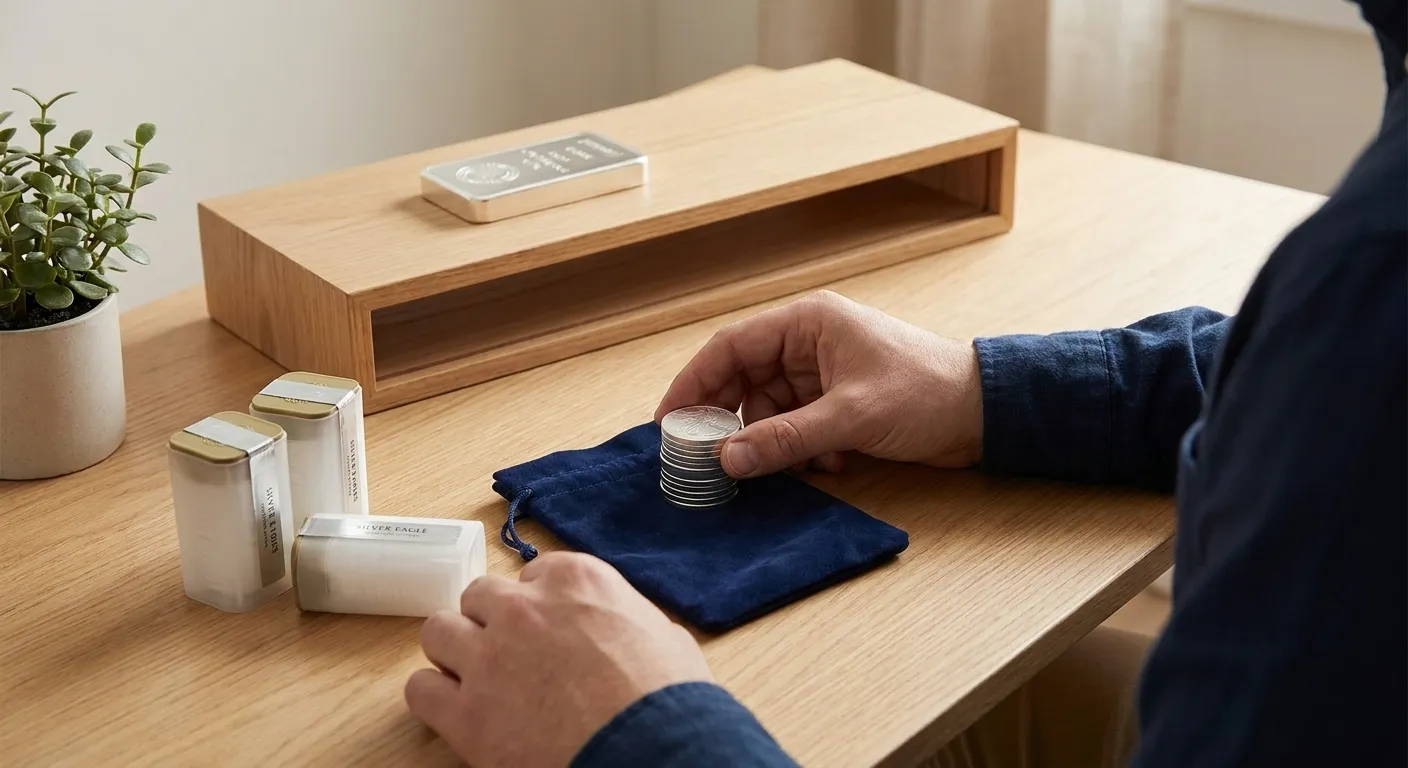
For cautious savers looking to protect their wealth, exploring the ways to buy physical silver is a straightforward step towards diversification and safeguarding against economic uncertainties. Physical silver offers a tangible asset, providing a sense of security that digital investments often lack. This guide will walk you through the practical options available, helping you make confident choices as you embark on your precious metals journey.
Why Choose Physical Silver for Wealth Protection?
Before diving into how to buy, let’s briefly reinforce why physical silver is appealing to cautious savers. First, it is a tangible asset. You hold a real, physical asset, not just a paper promise. Furthermore, it acts as an inflation hedge. Historically, silver has performed well during periods of inflation, preserving purchasing power. In addition, it provides diversification. It offers a valuable alternative to stocks, bonds, and cash, reducing overall portfolio risk. Finally, it serves as a store of value. Silver has been recognized as a store of value for thousands of years, offering long-term stability. With these benefits in mind, let’s explore the most common and accessible ways to buy physical silver.
Option 1: Silver Bullion Coins
Bullion coins are perhaps the most popular entry point for new silver investors. These are government-minted coins, typically with a purity of .999 fine silver. Their value is primarily derived from their silver content. Examples include American Silver Eagles, Canadian Silver Maples, and Austrian Silver Philharmonics.
American Silver Eagles
American Silver Eagles are highly recognized, liquid, and backed by the U.S. government. They are a trusted choice for many investors.
Canadian Silver Maples
Canadian Silver Maples are known for their high purity (.9999 fine silver) and advanced security features. This makes them a secure option.
Austrian Silver Philharmonics
Austrian Silver Philharmonics are popular in Europe and are gaining traction globally. They offer another reputable choice.
Pros for Cautious Savers
- Easy to Recognize and Verify: Their government backing makes them trusted and widely accepted.
- High Liquidity: They are easy to buy and sell through reputable dealers.
- Fractional Ownership: Available in various sizes, often 1-ounce, making them accessible for smaller budgets.
Cons
- Higher Premiums: Due to their collectibility and minting costs, they often carry a slightly higher premium over the spot price compared to bars.
Option 2: Silver Bullion Bars
Silver bars, or ingots, are typically produced by private mints. They are available in a wider range of sizes, from small 1-ounce bars up to 1,000-ounce bars. They are also usually .999 fine silver. These are another excellent choice when considering different methods to acquire physical silver.
Pros for Cautious Savers
- Lower Premiums: Generally, bars have lower premiums over the spot price than coins. This makes them more cost-effective for larger purchases.
- Efficient Storage: Larger bars can be more space-efficient for significant holdings.
Cons
- Less Divisible: Once you buy a 10-ounce bar, you typically sell it as a 10-ounce bar. This can be less flexible than individual coins.
- Verification: While reputable bars are easy to verify, it’s crucial to purchase from a trusted dealer to ensure authenticity.
Option 3: Silver Rounds
Silver rounds are similar to silver coins in shape and size, but they are not government-minted. Instead, private mints produce them. Consequently, they do not carry a face value. Their value is solely based on their silver content. They are generally .999 fine silver.
Pros for Cautious Savers
- Lower Premiums: Rounds typically have the lowest premiums over the spot price compared to both coins and bars. This makes them a very cost-effective option for acquiring silver.
- Variety of Designs: Private mints often produce rounds with a wide array of artistic designs. This can appeal to those who appreciate aesthetics without paying collector coin prices.
Cons
- Less Recognition: Because they are not government-backed, they may be less recognized than bullion coins. This could potentially make them slightly less liquid in some secondary markets.
- No Legal Tender Status: Unlike government-minted coins, rounds are not legal tender. This means they cannot be used as currency, though their intrinsic value remains.
Option 4: Pre-1965 US Silver Coinage (Junk Silver)
Pre-1965 US dimes, quarters, and half-dollars contain 90% silver. These are often referred to as
Related reading:

