

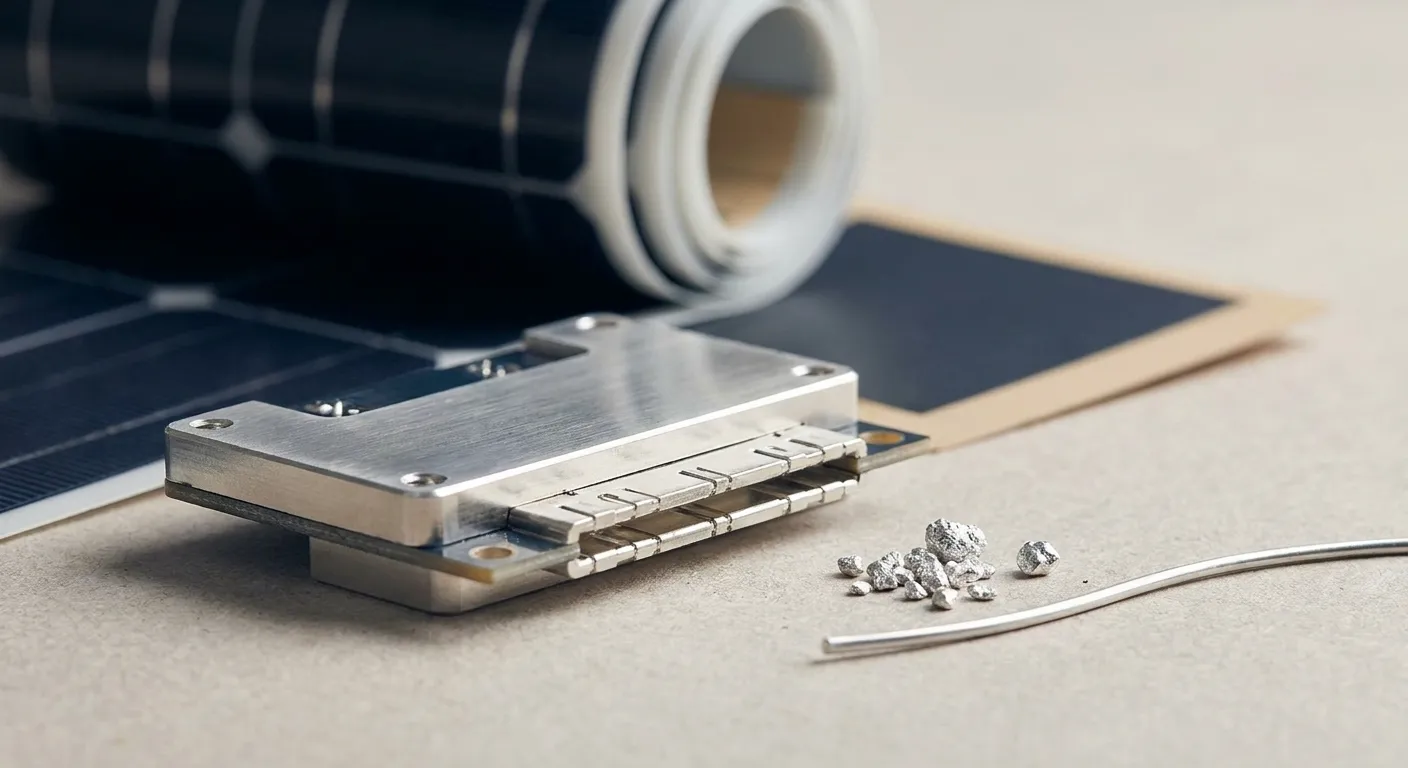
For cautious savers like Sarah, who prioritize stability and genuine value, understanding what truly drives the price of silver is crucial. Beyond its allure as a precious metal and a hedge against inflation, the robust industrial demand for silver reveals a powerful, underlying engine that secures its long-term potential. At Silver Spot Prices, we believe in transparent insights that connect market trends to real-world utility, making your investment decisions clear and confident.
The Unseen Powerhouse: Industrial Demand for Silver
Silver is not just a financial asset; it’s an indispensable component in a multitude of modern technologies. Industrial applications are a crucial and growing demand driver for silver, far surpassing what many new investors realize. This widespread utility provides a fundamental floor for silver’s value, distinguishing it from purely speculative assets. Consider these significant contributions:
- Solar Panel Manufacturing: This sector alone accounts for approximately 16% of annual global silver demand, a share that continues to grow as the world shifts towards renewable energy. Each solar panel requires a small but vital amount of silver, and with global solar capacity expanding rapidly, so too does this demand.
- Electric Vehicles (EVs): The burgeoning EV industry accounts for about 2.9% of global silver demand. Silver’s excellent electrical conductivity makes it essential for various contacts, switches, and connections within EVs, a market that shows no signs of slowing down.
- 5G Infrastructure: As connectivity becomes paramount, silver is critical in the components for 5G networks, enabling faster, more reliable communication.
- Semiconductors and Medical Devices: From the chips powering our digital world to life-saving medical instruments, silver’s unique properties are indispensable.
- The AI Sector: The explosive growth of artificial intelligence is believed to be a major new source of demand. AI data centers and advanced computing require vast amounts of power and efficient heat dissipation, areas where silver’s conductivity and thermal properties are invaluable.
These are not fleeting trends; they represent foundational shifts in global technology and infrastructure, cementing silver’s essential role in the future.
The Persistent Challenge: Silver Supply Deficits
Despite the ever-increasing industrial demand for silver, mine supply has struggled to keep pace. The silver market has been in a structural deficit for five consecutive years by 2024, meaning that demand has consistently outstripped the amount of silver being mined. This deficit is projected to continue into 2026, exceeding 160-200 million ounces in 2025 alone. This persistent imbalance between supply and demand is a powerful contributor to upward price pressure. When a vital resource becomes scarcer relative to its widespread need, its value naturally increases. This fundamental economic principle profoundly impacts silver’s long-term outlook.
Why Industrial Use Makes Silver Unique
Unlike gold, which is primarily held as a monetary asset or jewelry, silver’s dual role as both a precious metal and an industrial commodity gives it a distinct advantage. Its widespread utility in manufacturing sectors means that its value is not solely dependent on investor sentiment or economic uncertainty. Instead, it benefits from technological advancements and global development. For instance, the transition to green energy, a global priority, directly fuels the need for more silver. This diversified demand base contributes to its stability and growth potential.
Understanding silver’s industrial applications helps new investors grasp the tangible reasons behind its value. It’s not just a shiny object; it’s a critical component in the products and systems that define modern life. This inherent utility provides a compelling argument for including silver in a diversified portfolio, especially for those seeking assets with real-world underpinnings.
Key Sectors Driving Silver’s Industrial Consumption
Let’s delve deeper into the specific industries that are propelling the industrial demand for silver. Each sector highlights silver’s irreplaceable properties and its necessity for future innovation.
Solar Energy: A Bright Future for Silver
The global push for renewable energy sources has placed solar power at the forefront. Solar photovoltaic (PV) cells rely heavily on silver pastes to conduct electricity. As countries commit to reducing carbon emissions, the installation of solar panels is accelerating worldwide. Consequently, the demand for silver in this sector is experiencing robust growth. Industry reports, such as those from The Silver Institute, consistently show solar as a leading consumer of the metal. This trend is expected to continue for decades, making solar energy a cornerstone of future silver demand.
Electric Vehicles: Powering the Automotive Revolution
The shift from internal combustion engines to electric vehicles is another significant driver of silver consumption. EVs contain numerous electrical contacts, switches, and connections that require silver due to its superior electrical conductivity. A typical EV can contain between 25-50 grams of silver, significantly more than a traditional gasoline-powered car. As major automakers ramp up EV production and governments incentivize their adoption, the automotive sector’s contribution to silver’s industrial usage will only expand. This growing need highlights silver’s role in sustainable transportation.
5G Technology: Connecting the World
The rollout of 5G networks globally is transforming communication and driving demand for advanced electronic components. Silver is essential in many of these components, including switches, connectors, and circuit boards, which are vital for the high-speed data transmission that 5G enables. As more devices become connected and the Internet of Things (IoT) expands, the infrastructure supporting these innovations will increasingly rely on silver. Therefore, the expansion of 5G infrastructure directly contributes to the overall industrial demand for silver.
Healthcare and Medical Devices: Life-Saving Applications
Silver’s antimicrobial properties and excellent conductivity make it invaluable in the medical field. It is used in surgical instruments, wound dressings, and various medical devices. Furthermore, silver is a component in many diagnostic tools and imaging equipment. As healthcare technology advances and global populations age, the demand for these medical applications will likely increase, cementing silver’s role in saving and improving lives. This steady demand stream provides a reliable base for silver’s value.
AI and Data Centers: The Future of Computing
The explosive growth of artificial intelligence and the expansion of data centers represent a new frontier for silver demand. AI systems and advanced computing require immense processing power, which generates significant heat. Silver’s thermal conductivity is almost unmatched, making it ideal for heat dissipation in high-performance processors and data center components. Moreover, the vast number of electrical connections within these sophisticated systems also calls for silver. As AI continues to evolve, its impact on the industrial consumption of silver could be substantial, further solidifying its importance in the digital age.
Looking Ahead: Projections for Industrial Silver Demand
Experts forecast continued strong growth in the industrial use of silver. The Silver Institute, a leading authority, consistently projects increases across key sectors. For example, the solar industry’s appetite for silver is expected to rise by double-digit percentages in coming years. Similarly, the electrification of transportation and the expansion of 5G networks will ensure sustained high demand. These projections reinforce the idea that silver’s utility is deeply embedded in the trajectory of global technological progress. Savvy investors pay close attention to these trends.
The persistent supply deficits mentioned earlier, coupled with this robust demand outlook, create a compelling scenario for silver’s price appreciation. Mines are not discovering new, large silver deposits at a rate sufficient to meet this growing industrial appetite. Furthermore, much of the silver produced is a byproduct of mining other metals like copper and lead, meaning its supply is less responsive to silver price changes alone. This structural imbalance points to a future where the value of silver, driven by its essential industrial applications, is likely to increase.
For those new to precious metals, understanding the fundamental drivers behind an asset’s value is paramount. The industrial demand for silver provides a clear, tangible reason for its long-term strength. It’s not just about economic fear or inflation; it’s about the very fabric of our modern, technological world. We encourage you to explore our Investment Guides for more insights into precious metals and other asset classes.
The Silver Spot Prices Perspective
At Silver Spot Prices, our mission is to demystify precious metals investing. We aim to provide clear, actionable insights that empower you to make informed decisions. The story of silver’s industrial applications is a prime example of how real-world utility underpins enduring value. We believe that understanding these fundamental drivers is far more valuable than chasing short-term market fluctuations.
When considering silver for your portfolio, remember its essential role in our technological future. This provides a strong foundation for its long-term potential. We are here to support your journey into precious metals, offering resources and information to build your confidence. If you have further questions, please check our Frequently Asked Questions page or Get in Touch with our team.
The ongoing strength of the industrial demand for silver is not just a statistical anomaly; it’s a testament to silver’s irreplaceable properties. As the world continues to innovate and transition towards sustainable technologies, silver will remain at the heart of that progress. This makes it an asset worth considering for any individual looking to safeguard and grow their wealth with a clear understanding of its intrinsic value.
Conclusion: Silver’s Enduring Industrial Value
In summary, the robust and growing industrial demand for silver is a critical, often underestimated, factor driving its long-term value. From solar panels and electric vehicles to 5G infrastructure, medical devices, and the emerging AI sector, silver is indispensable to modern technology. This widespread utility, combined with persistent supply deficits, creates a compelling scenario for sustained price appreciation. For investors seeking stability and genuine value, understanding these fundamental drivers behind silver’s industrial applications provides a clear path to confident investment decisions. As the world progresses, silver’s role as a vital industrial metal will only become more pronounced, securing its place as a valuable asset for years to come.
FAQ: Understanding Silver’s Role in Industry
What industries use the most silver?
The solar energy sector is currently one of the largest industrial consumers of silver, particularly in photovoltaic panel manufacturing. Other significant industries include electronics (semiconductors, 5G technology), electric vehicles, and medical devices.
Why is silver important for technology?
Silver possesses unique properties that make it indispensable for technology, including the highest electrical and thermal conductivity of all metals. These characteristics make it ideal for electrical contacts, connectors, and heat dissipation in various electronic components.
How does industrial consumption affect silver prices?
High industrial consumption, especially when combined with a limited supply, creates a strong demand for the metal. This increased demand can put upward pressure on silver prices, contributing to its long-term value and stability.
Is the demand for silver in new technologies growing?
Yes, the demand for silver in new technologies is definitely growing. Sectors like electric vehicles, 5G infrastructure, and artificial intelligence are expanding rapidly, and each of these relies heavily on silver for essential components and efficient operation. You can find more information on these trends in our Silver News section.
What is the outlook for silver’s industrial future?
The outlook for silver’s industrial future appears very strong. With global trends favoring renewable energy, electrification, and advanced computing, silver’s role as a critical industrial metal is expected to expand. This sustained utility suggests a promising long-term trajectory for its value.