

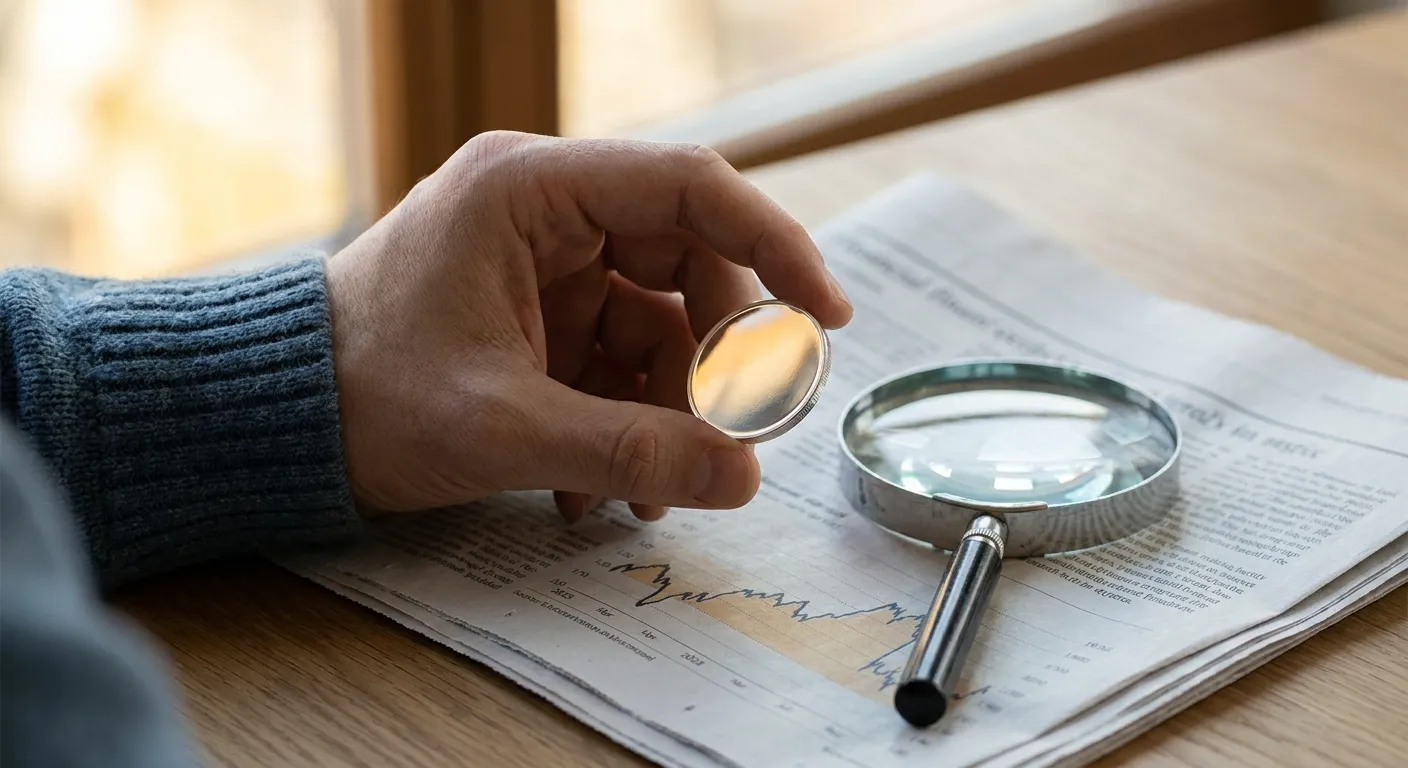
For cautious savers, understanding how economic indicators silver prices is crucial for making informed investment decisions. The world of precious metals can seem complex, but by focusing on a few key economic signals, you can gain a clearer perspective on silver’s potential movements. This guide will simplify how major economic indicators influence silver, helping you feel more confident in tracking the market. We believe in providing clear, concise, and encouraging information, empowering you to make smart choices for your financial future.
Understanding Key Economic Indicators and Their Influence
Several economic indicators play a significant role in the precious metals market, including silver. Let’s look at a few that are particularly important for cautious savers. These signals can offer valuable insights into market trends. Consequently, learning to interpret them can enhance your investment strategy.
Inflation: The Erosion of Purchasing Power
When inflation rises, the purchasing power of fiat currencies, like the US dollar, decreases. Silver, often seen as a reliable store of value, tends to perform well during inflationary periods. Investors frequently seek precious metals to protect their wealth from erosion. For example, silver acts as a hedge against the diminishing value of money. This makes understanding inflation’s impact on silver essential. Moreover, prolonged periods of high inflation can significantly boost silver’s appeal.
Interest Rates: The Cost of Money
Central banks typically raise interest rates to combat inflation. Higher interest rates generally strengthen the currency. Furthermore, they make interest-bearing assets, such as bonds, more attractive. This can make non-yielding assets like silver less appealing, potentially putting downward pressure on its price. Conversely, lower interest rates can make silver more attractive. Therefore, watching central bank decisions on interest rates is vital for understanding silver’s potential direction. You can learn more about how financial policies affect markets by exploring topics like 40 Trillion in Debt and Financial Repression Is the Only Exit.
Strength of the US Dollar: A Global Benchmark
Silver is primarily priced in US dollars. When the dollar strengthens, it takes more of another currency to buy a dollar. This makes dollar-denominated commodities like silver more expensive for international buyers. As a result, demand can reduce, putting downward pressure on prices. A weaker dollar generally has the opposite effect. Therefore, monitoring the US Dollar Index (DXY) offers crucial insights into how economic indicators silver prices globally. A strong dollar can often be a headwind for precious metals.
Geopolitical Events: Shocks to the System
Global instability, conflicts, and major political shifts can significantly impact investor sentiment. During times of uncertainty, investors often flock to safe-haven assets. Silver, alongside gold, is traditionally considered a safe haven. Consequently, geopolitical tensions can drive up silver demand and, subsequently, its price. For instance, major international crises often lead to spikes in precious metal values. This demonstrates silver’s role as a protector of wealth during turbulent times.
Industrial Demand: Silver’s Unique Role
Unlike gold, a significant portion of silver’s demand comes from industrial applications. Silver is used in electronics, solar panels, and medical devices due to its excellent conductivity. Therefore, the health of global manufacturing and technological advancements directly influences silver’s price. A booming tech sector or increased solar panel production can boost industrial demand for silver. Conversely, a slowdown in manufacturing can reduce it. This dual role as both an investment and an industrial metal makes silver’s price movements unique. For example, consider how the AI Boom Runs on Metals, Mines, and Massive Debt, highlighting silver’s critical role.
How Economic Indicators Silver Prices: Putting it Together
These indicators don’t operate in isolation; they often interact to create a complex market picture. For instance, if inflation is high, but the central bank is aggressively raising interest rates, the impact on silver can be mixed. Higher inflation might support silver, but rising interest rates could temper that support. Observing how these indicators move in relation to each other, and how central banks respond to them, offers a more complete view. By learning to watch these signals, you’re not just observing; you’re developing a more informed approach to your silver investments. This foundational understanding empowers you to navigate the market with greater clarity and confidence. Furthermore, understanding these interdependencies helps paint a more accurate picture of market dynamics. This is especially true for those new to precious metals investing.
Consider, for example, a scenario where global economic growth is slowing, leading to lower industrial demand for silver. Simultaneously, inflation might be ticking up, prompting investors to seek inflation hedges. In this case, the negative pressure from reduced industrial demand could be offset by increased investment demand. Therefore, a holistic view is always more beneficial. Similarly, a weakening dollar could make silver more appealing, even if interest rates are rising modestly. It truly highlights the complex interplay of forces. Understanding how economic indicators silver values is about recognizing these subtle balances.
Why Cautious Savers Should Care About These Signals
For cautious savers, the goal is often wealth preservation and steady growth, not speculative trading. Therefore, understanding these economic signals helps you anticipate potential trends and make proactive decisions. It allows you to protect your purchasing power. Moreover, it assists in diversifying your portfolio effectively. Knowing when silver might be undervalued or overvalued based on broader economic conditions is a powerful tool. This knowledge reduces emotional decision-making. In addition, it fosters a more disciplined investment approach. This is crucial for long-term financial health. Furthermore, staying informed helps you avoid common pitfalls. For instance, reacting impulsively to short-term market fluctuations can be detrimental. Instead, a thoughtful approach based on economic understanding provides a stronger foundation.
The Role of Central Bank Policies
Central banks, such as the Federal Reserve in the US, play a monumental role in influencing economic indicators. Their decisions on interest rates, quantitative easing (QE), and quantitative tightening (QT) send ripples through the global economy. For example, a central bank signaling a dovish stance (lower interest rates, more QE) can often be bullish for silver. This is because it weakens the currency and reduces the opportunity cost of holding non-yielding assets. Conversely, a hawkish stance (higher interest rates, more QT) can be bearish. Keeping an eye on central bank announcements and speeches is therefore essential. Their forward guidance often provides clues about future monetary policy. This directly impacts the environment in which precious metals operate. Notably, these policies can dramatically shift how economic indicators silver markets react. Consequently, understanding their impact is non-negotiable for serious investors.
Global Economic Health: A Broader Perspective
Beyond specific indicators, the overall health of the global economy also affects silver. A robust global economy generally means higher industrial activity. This, in turn, boosts demand for silver in manufacturing and technology. Conversely, a global recession can dampen industrial demand, even if investment demand rises due to safe-haven seeking. Therefore, tracking global GDP growth, manufacturing indices like the Purchasing Managers’ Index (PMI), and international trade data provides a broader context. These macro trends often dictate the underlying strength or weakness of commodities. For instance, a strong global recovery might see increased demand for solar panels, directly benefiting silver. Conversely, a slowdown could lead to reduced demand across various sectors. This broader view helps in understanding the long-term trajectory of silver prices. In fact, many experts analyze these factors together to form their outlook. For instance, some discussions relate to Technical Scoop: Stagflation Possible, Rate Fall, Temporary Whack.
Commodity Market Dynamics: Supply and Demand
While economic indicators are vital, it is also important to consider the fundamental supply and demand dynamics within the silver market itself. Mine production, recycling rates, and above-ground stockpiles all influence the available supply. On the demand side, industrial use, investment demand (for coins, bars, and ETFs), and jewelry consumption are key factors. A significant supply deficit, for example, could put upward pressure on prices regardless of other economic signals. Conversely, a glut in supply could depress prices. Therefore, keeping an eye on reports from organizations like the Silver Institute or World Gold Council can provide valuable insights into these physical market conditions. For instance, recent reports highlight a Silver: 46.3 Million Oz Deficit — The Float Is Already Thinning. These reports offer a granular view that complements the broader economic picture.
Putting It All Together for Your Strategy
Understanding these key economic indicators provides a solid starting point for any cautious saver interested in the silver market. It’s about building knowledge, not predicting the future with absolute certainty. By knowing what to look for, you can better understand the forces at play. This allows you to make more informed decisions about your long-term wealth strategy. Remember, silver is a long-term asset for wealth preservation. Its value tends to assert itself over time, especially during periods of economic uncertainty or inflation. Consequently, a patient and informed approach is often the most rewarding. Always consider your personal financial goals and risk tolerance. For additional perspectives on market movements, you might find articles discussing forecasts, such as Peter Krauth Sees Silver Reaching $80 to $85 Before Year-End, insightful. This comprehensive view helps you navigate the complexities of precious metals with greater ease.
Ultimately, your journey into understanding how economic indicators silver prices will be ongoing. The global economy is dynamic, constantly evolving with new challenges and opportunities. However, by focusing on these core principles and staying informed, you empower yourself. You become a more confident and resilient investor. This approach aligns perfectly with the goals of cautious savers: protecting wealth and achieving financial peace of mind. Continuing to educate yourself is the best investment you can make. Resources like the Federal Reserve Economic Data (FRED) database from the Federal Reserve Bank of St. Louis (https://fred.stlouisfed.org/) can provide real-time data on many of these indicators. Similarly, the World Bank (https://www.worldbank.org/) offers comprehensive global economic reports. These external sources are invaluable for staying current.
Conclusion: Empowering Your Silver Decisions
Navigating the silver market does not require a crystal ball, but rather a clear understanding of the fundamental forces at play. By diligently tracking inflation, interest rates, the strength of the US dollar, geopolitical events, and industrial demand, cautious savers can develop a more robust investment perspective. These economic indicators silver prices in predictable ways over the long term. Remember, the goal is not to time the market perfectly, but to make informed decisions that align with your long-term wealth preservation and growth objectives. With Silver Spot Prices, you gain the knowledge and confidence to approach your silver investments strategically, ensuring your financial future is protected and diversified. Your journey to becoming a more informed precious metals investor starts here. We are committed to simplifying complex topics, making wealth protection accessible to everyone.
FAQ: Frequently Asked Questions About Silver and the Economy
How does inflation impact the value of silver?
Inflation erodes the purchasing power of traditional currencies. Consequently, investors often turn to assets like silver as a hedge. Silver tends to maintain or increase its value during inflationary periods, helping to preserve wealth.
Do interest rate changes affect silver investments?
Yes, interest rate changes significantly influence silver. Higher interest rates typically strengthen the US dollar and make interest-bearing assets more attractive, which can reduce the appeal of non-yielding assets like silver. Conversely, lower rates can boost silver’s attractiveness.
Why is the US dollar’s strength relevant to silver prices?
Silver is primarily priced in US dollars. When the dollar is strong, silver becomes more expensive for buyers using other currencies, potentially dampening demand and lowering prices. A weaker dollar generally makes silver more affordable and can lead to price increases.
What role does industrial demand play in silver’s price?
Industrial demand is a major factor for silver, unlike gold. Silver’s use in electronics, solar panels, and medical devices means that a robust global economy and technological advancements can significantly increase demand. This, in turn, can drive up its price.
How can I use economic signals to make better silver investment decisions?
By monitoring key economic signals like inflation, interest rates, and dollar strength, you can gain insight into potential market trends. This knowledge helps you make more informed, proactive decisions about when to buy or sell, aligning with your long-term wealth preservation goals rather than reacting to short-term fluctuations.
Related reading:

