

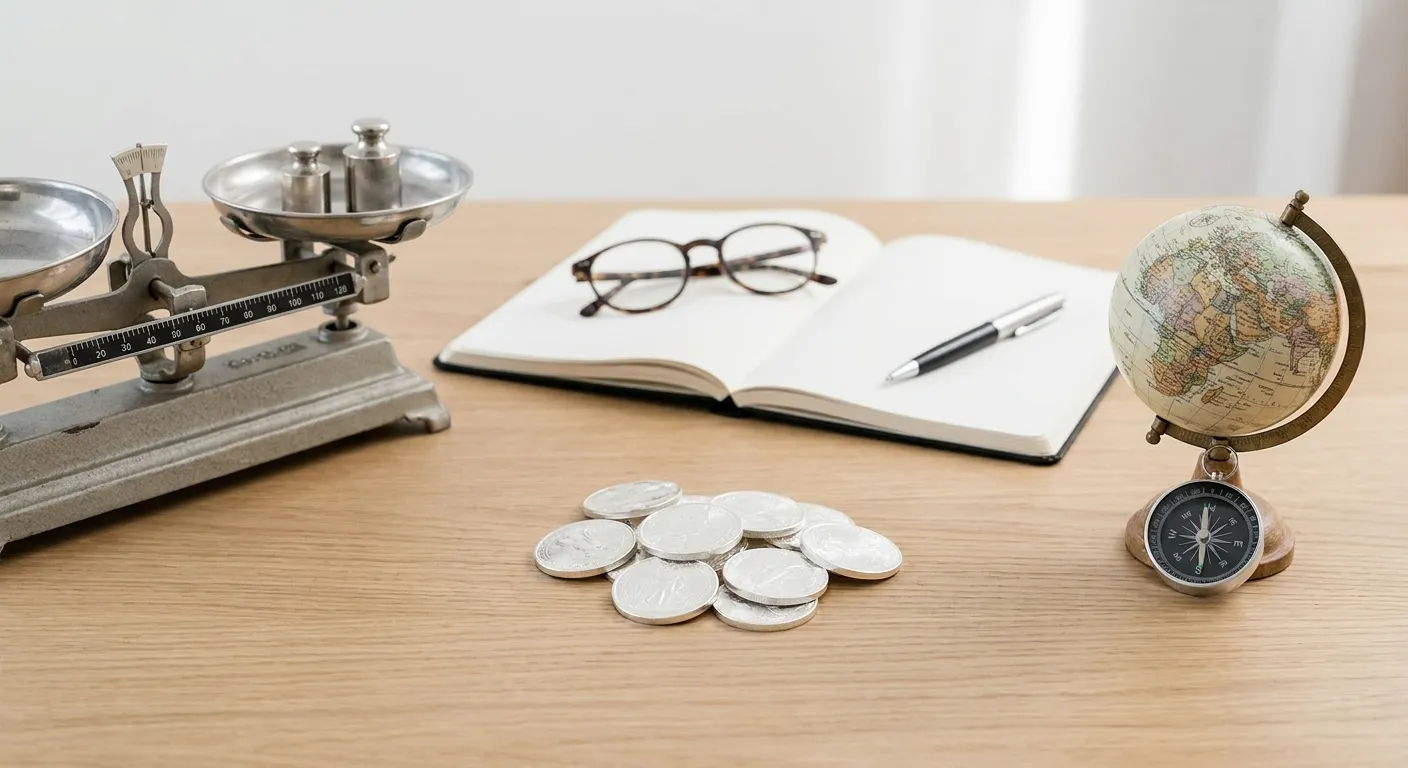
For cautious savers, the daily fluctuations in silver prices can sometimes feel like a mystery. One day it’s up, the next it’s down, leaving many wondering about the underlying causes. However, these movements are rarely random. They are the direct result of various economic factors silver prices respond to, reflecting a complex interplay of global supply, demand, and investor sentiment. Understanding these influences is key to demystifying the market and making more informed decisions about your precious metal holdings.
This article will break down the primary economic forces that drive silver’s value, transforming uncertainty into clarity. By grasping these fundamentals, you can better interpret market news and confidently integrate silver into your long-term wealth strategy.
The Dual Nature of Silver: More Than Just a Precious Metal
Silver holds a unique position as both a precious metal and an industrial commodity. This dual nature means its price is influenced by a broader range of economic indicators than purely investment-grade assets. Consequently, understanding these diverse influences is crucial for anyone considering silver. Let’s explore the most significant forces at play.
Inflation and Interest Rates: A Double-Edged Sword
One of the most significant drivers for silver, particularly for cautious savers, is its role as an inflation hedge. When the cost of living rises and the purchasing power of fiat currencies erodes, investors often turn to tangible assets like silver to preserve wealth. This increased demand can push silver prices higher. For example, periods of high inflation often see heightened interest in precious metals.
Conversely, interest rates play a critical role. When central banks raise interest rates, it makes interest-bearing assets (like bonds or savings accounts) more attractive. Holding silver, which doesn’t pay interest, can become less appealing by comparison. This ‘opportunity cost’ can lead to a decrease in investment demand for silver, potentially putting downward pressure on its price. Therefore, monitoring inflation reports and central bank policy decisions is crucial for understanding silver’s potential direction. These are key economic factors affecting silver’s value.
Global Economic Health and Industrial Demand
Silver’s industrial applications account for a substantial portion of its annual demand. It’s an indispensable component in electronics, solar panels, medical instruments, and automotive manufacturing. This means that the health of the global economy directly impacts silver’s industrial demand. During periods of strong economic growth and robust manufacturing, demand for silver in these sectors tends to increase, supporting higher prices.
Conversely, economic slowdowns or recessions can lead to reduced industrial activity, dampening demand for silver and potentially causing its price to fall. For instance, the growing solar energy sector’s reliance on silver presents a long-term demand factor that investors often consider. This industrial component is a vital part of the economic factors silver prices respond to.
Geopolitical Events and Market Sentiment
In times of global uncertainty, political instability, or financial crises, silver often acts as a safe-haven asset. Investors seek refuge in tangible assets perceived as stable when traditional financial markets face turmoil. This flight to safety can significantly increase demand for silver, driving its price upwards. Think of it as a protective shield against economic storms. Indeed, this sentiment can quickly shift market dynamics.
Market sentiment itself, driven by news, rumors, and investor psychology, also plays a considerable role. Positive news about silver’s future demand (e.g., new industrial uses) can boost prices, while negative news can cause declines. Keeping an eye on global headlines is therefore important for understanding these shifts in sentiment. The impact of these events on the price of silver can be quite pronounced.
Supply and Demand Dynamics: The Fundamental Balance
At its core, the price of any commodity, including silver, is determined by the fundamental balance between supply and demand. Silver supply comes primarily from mining operations, both as a primary product and as a byproduct of mining other metals like copper, lead, and zinc. New discoveries, mining technologies, and production costs all influence the amount of silver available on the market.
On the demand side, we’ve already touched on industrial uses and investment demand. Additionally, jewelry and silverware production contribute to overall demand. A significant imbalance, such as a large deficit where demand outstrips supply, can lead to substantial price increases. Conversely, an oversupply can depress prices. For a deeper look into supply issues, consider the article on Silver: 46.3 Million Oz Deficit — The Float Is Already Thinning. Understanding this balance is crucial for identifying key economic factors silver prices react to.
Currency Strength: The Dollar’s Influence
The U.S. dollar’s strength or weakness often has a significant inverse relationship with silver prices. Silver, like most commodities, is typically priced in U.S. dollars on international markets. When the dollar strengthens, it makes silver more expensive for buyers using other currencies, potentially reducing demand and putting downward pressure on prices. On the other hand, a weaker dollar makes silver cheaper for international buyers, which can stimulate demand and push prices higher.
Therefore, tracking the U.S. Dollar Index (DXY) can offer valuable insights into potential movements in silver prices. This inverse relationship is a consistent theme among the economic factors affecting silver prices. For instance, when the dollar dives, gold and silver often soar, as discussed in Technical Scoop: Perking Oil, Gold Soar, Dollar Dive.
Investment Demand and Speculation
Beyond its industrial applications, silver is a popular investment vehicle. This investment demand can come from various sources: individual investors buying physical silver (coins, bars), institutional investors (e.g., hedge funds, pension funds), and those participating in silver-backed exchange-traded funds (ETFs). Speculative trading in futures markets also plays a role, with traders betting on future price movements. These speculative positions can amplify price swings in the short term.
Significant inflows or outflows of investment capital can dramatically impact silver prices. For example, a surge in interest from new investors entering the precious metals market can create considerable upward momentum. This highlights the importance of investor behavior as one of the key economic factors silver prices respond to. The insights of experts like Peter Krauth, who sees silver reaching $80-$85 before year-end, can also influence investor sentiment, as seen in Peter Krauth Sees Silver Reaching $80 to $85 Before Year-End.
Technological Advancements and New Uses
Silver’s unique properties make it invaluable in many high-tech applications. As technology advances, new uses for silver can emerge, creating additional demand. The solar energy sector is a prime example; silver is a critical component in photovoltaic cells. The rapid growth of this industry has become a significant long-term demand driver for silver. Similarly, the expanding electronics industry continually finds new applications for silver’s conductivity and antimicrobial properties.
Future technological breakthroughs, perhaps in areas like electric vehicles or advanced medical devices, could further increase silver’s industrial importance. These developments represent evolving economic factors silver prices will continue to react to. The broader discussion around the AI Boom Running on Metals underscores how technological shifts create new demand for various metals, including silver.
Mining Production and Discovery Rates
The supply side of the equation is heavily influenced by mining activities. The discovery of new silver deposits, the expansion of existing mines, and the overall cost of extraction all affect the global silver supply. High silver prices can incentivize miners to increase production or invest in exploring new sites. Conversely, sustained low prices might lead to mine closures or reduced exploration efforts, which can tighten future supply.
It’s important to remember that mining new silver is a time-consuming and capital-intensive process. Therefore, supply changes often lag behind price changes. This delay means that current prices can be influenced by decisions made years ago. Thus, monitoring global mining reports and new project developments is essential for understanding the long-term supply outlook. This provides another layer to the economic factors silver prices are exposed to.
Understanding the Broader Economic Landscape
To truly grasp the movements of silver prices, it’s beneficial to consider the broader macroeconomic environment. This includes factors like global debt levels, monetary policy decisions by central banks worldwide, and overall economic stability. For instance, discussions around concepts like stagflation can provide context for how different economic conditions might impact precious metals. You can learn more about this in Technical Scoop: Stagflation Possible.
When governments accumulate significant debt, there’s often concern about currency devaluation, which can make tangible assets like silver more appealing. Furthermore, central bank policies, such as quantitative easing or tightening, directly influence interest rates and the money supply, both of which ripple through to precious metal markets. Being aware of these overarching trends helps provide a holistic view of the forces shaping silver’s value.
Conclusion: Navigating Silver’s Market with Confidence
The daily dance of silver prices is not a random spectacle. Instead, it’s a logical response to a complex array of economic forces. From inflation and interest rates to industrial demand, geopolitical events, and the strength of the U.S. dollar, each factor plays a role in shaping silver’s value. By understanding these key economic factors silver prices respond to, you can move beyond uncertainty and approach the market with greater confidence.
For first-time silver buyers and those seeking to protect and diversify their wealth, this knowledge is invaluable. It empowers you to interpret market news, anticipate potential trends, and make informed decisions about when and how to integrate silver into your financial strategy. Remember, while short-term fluctuations are normal, a clear understanding of these underlying drivers provides a solid foundation for long-term precious metals ownership.
Frequently Asked Questions About Silver Price Influences
What are the primary drivers behind silver’s value?
The main drivers include inflation and interest rates, global economic health and industrial demand, geopolitical events, supply and demand dynamics from mining, and the strength of the U.S. dollar. These elements collectively shape silver’s market behavior.
How does inflation impact the price of silver?
When inflation rises, the purchasing power of traditional currencies decreases. Many investors then turn to silver as a hedge against inflation, seeking to preserve their wealth with a tangible asset. This increased demand often leads to higher silver prices.
Why do interest rates affect silver’s market value?
Higher interest rates make interest-bearing assets, like bonds, more attractive. Since silver doesn’t pay interest, holding it becomes less appealing by comparison. This can reduce investment demand for silver, potentially causing its price to fall.
What role does industrial use play in silver’s pricing?
Silver is crucial for many industries, including electronics, solar panels, and medicine. When the global economy is strong and manufacturing is booming, industrial demand for silver increases, which typically supports higher prices. Conversely, economic slowdowns can reduce this demand.
How does the U.S. dollar’s strength influence silver?
Silver is usually priced in U.S. dollars. A stronger dollar makes silver more expensive for international buyers using other currencies, potentially decreasing demand and lowering prices. Conversely, a weaker dollar makes silver cheaper, often leading to increased demand and higher prices.
Related reading:

