
For many cautious savers, the idea of investing in precious metals can feel overwhelming. Financial markets are often shrouded in complex jargon, making it difficult to know where to begin. However, when it comes to buying physical silver basics, the process is far more straightforward than you might imagine. This guide is designed to demystify the initial steps, providing a clear, approachable path for first-time investors looking to add tangible assets to their portfolio.
Getting Started: Why Consider Physical Silver Now?
Before diving into the ‘how-to,’ it’s helpful to remember why physical silver is an attractive option. As we discussed previously, silver offers a robust hedge against inflation and economic uncertainty. Its tangible nature provides a sense of security, and its industrial demand adds another layer of intrinsic value. For cautious savers, silver represents a foundational asset for long-term wealth preservation, rather than speculative trading.
Your First Steps: Understanding Buying Physical Silver Basics
Embarking on your silver investment journey doesn’t require a finance degree. Here are the core steps to consider:
Step 1: Research and Education
The most important initial investment is in knowledge. Understand what influences silver prices, such as supply and demand, industrial use, and geopolitical events. Familiarize yourself with the concept of the ‘spot price’ – the current market price for immediate settlement. Silver Spot Prices is dedicated to providing you with transparent, real-time information to empower your decisions. The more you understand, the more confident you’ll feel about your choices. For current market data, you can always check our Silver Spot Prices Today page.
Step 2: Choose Your Form of Silver
Physical silver comes in various forms, each with its own advantages:
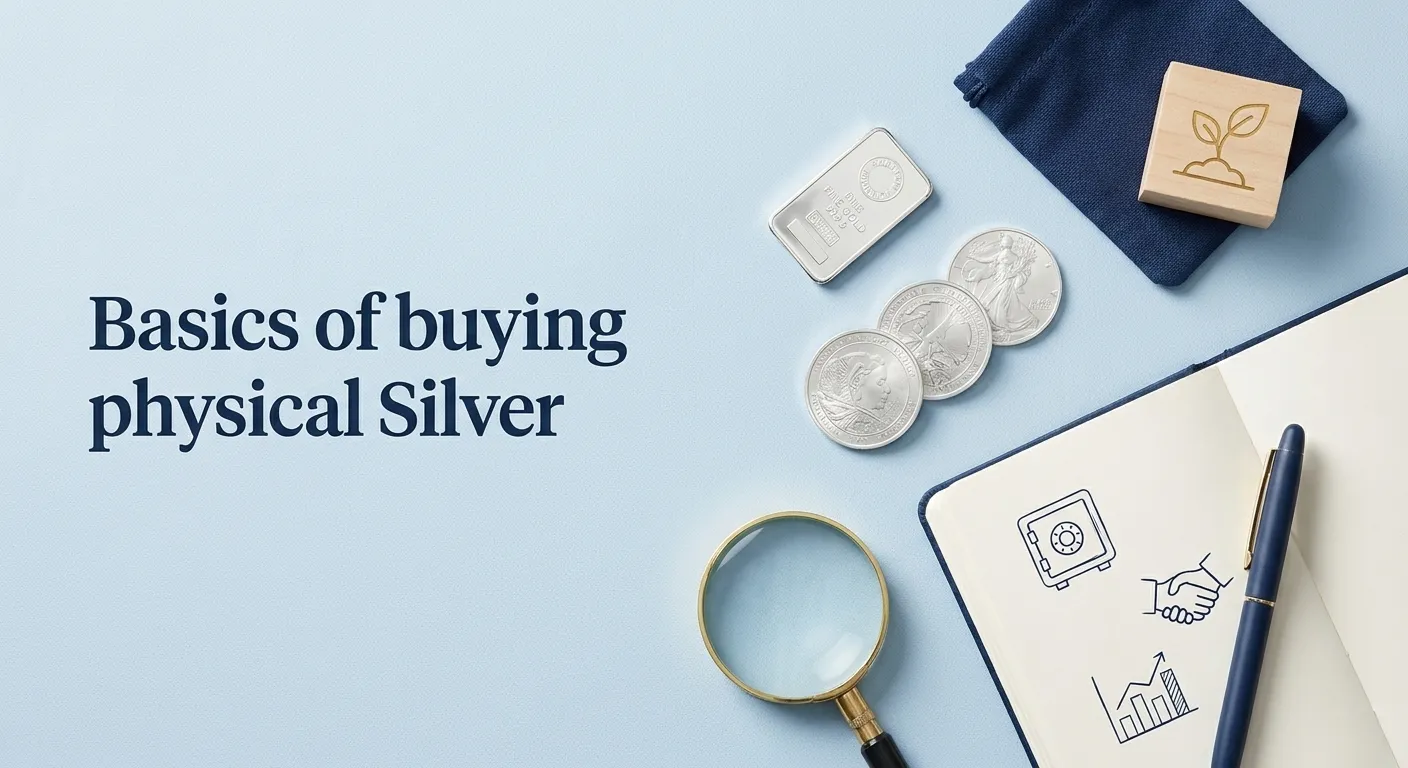
- Silver Bars: These are typically preferred for larger investments due to lower premiums over the spot price. They come in various weights (e.g., 1 oz, 10 oz, 100 oz, 1000 oz) and are a cost-effective way to accumulate silver.
- Silver Coins: Popular options include government-minted coins like the American Silver Eagle, Canadian Silver Maple Leaf, or Austrian Philharmonic. Coins often carry a higher premium but are easily recognizable, highly liquid, and can be beautiful collector’s items. For investors, bullion coins are generally preferred over numismatic (collector) coins, which derive much of their value from rarity rather than metal content.
- Silver Rounds: Similar to coins but not legal tender. They are typically produced by private mints and can offer a good balance between portability and lower premiums.
Consider your budget, investment goals, and personal preference when deciding which form is right for you. For many starting out, a mix of smaller bars and popular bullion coins offers a flexible approach.
Step 3: Find a Reputable Dealer
This is perhaps the most critical step in buying physical silver. A trustworthy dealer ensures you receive authentic products at fair prices. Look for dealers with a strong track record, positive customer reviews, and transparent pricing. Membership in industry organizations can also be a good indicator of credibility. Always compare prices from several dealers before making a purchase. Furthermore, ensure they offer secure shipping and insurance for your peace of mind.
Step 4: Understand Premiums and Spreads
When you purchase physical silver, you’ll pay a premium over the current spot price. This premium covers the dealer’s costs for fabrication, shipping, storage, and profit. Premiums can vary based on the form of silver, its weight, and market demand. Generally, smaller items and government-minted coins have higher premiums. The ‘spread’ refers to the difference between a dealer’s buy price and sell price. A smaller spread is usually more favorable for the buyer. Consequently, understanding these costs is essential for making informed decisions about your silver acquisitions.
Step 5: Consider Storage Options
Once you own physical silver, you need a secure place to store it. There are several options:
- Home Storage: A secure safe at home can be convenient for smaller quantities. However, it carries risks like theft or damage from natural disasters. Ensure your homeowner’s insurance covers precious metals.
- Bank Safe Deposit Box: This offers a higher level of security than home storage. Nevertheless, it can be inconvenient for frequent access, and the contents are typically not insured by the bank.
- Third-Party Vault Storage: Specialized precious metals depositories offer highly secure, insured storage services. This option is often preferred for larger holdings and provides professional oversight. Research reputable services carefully.
Choosing the right storage method depends on the amount of silver you own, your comfort level with risk, and your budget. Ultimately, security should be your top priority.
Step 6: Plan for Selling Your Silver
While this guide focuses on buying physical silver basics, it’s wise to consider the selling process beforehand. Knowing your exit strategy can prevent future headaches. Reputable dealers who sell silver also typically buy it back. However, you might also consider selling to other investors or collectors. Be aware that you will likely sell at a discount to the spot price, and premiums can fluctuate. For example, understanding market trends, like those discussed in a COT Silver Report, can be beneficial for timing both purchases and sales.
Common Pitfalls to Avoid When Acquiring Physical Silver
As you embark on your journey, being aware of potential missteps can save you time and money. Firstly, avoid impulse purchases. Always conduct thorough research and compare prices. Secondly, be wary of ‘too good to be true’ deals, which often indicate counterfeit products or scams. Thirdly, never buy from unverified sellers on online marketplaces without doing extensive due diligence. Instead, stick to established and reputable dealers. Another common mistake is neglecting to account for shipping and insurance costs, which can add significantly to the overall price. Furthermore, some new buyers overlook the importance of proper storage, exposing their valuable assets to unnecessary risk. Finally, don’t let fear or greed dictate your decisions; maintain a calm, rational approach to investing in precious metals.
Understanding the Market for Physical Silver
The market for physical silver is influenced by several factors. Industrial demand, for instance, plays a significant role, as silver is crucial in electronics, solar panels, and medical devices. Economic indicators and geopolitical events also impact prices. For example, periods of economic uncertainty often lead to increased demand for safe-haven assets like silver. Supply from mining operations and recycling efforts further shapes the market. Keeping an eye on these broader trends can help you make more informed decisions when buying physical silver basics. Monitoring news about new discoveries, such as Silver North Commences Diamond Drilling at Flagship Haldane Silver Project, can provide insights into future supply. Additionally, understanding the global economic landscape, as explored in articles like The Inflation Reality Check, can offer a broader context for silver’s value proposition.
The Role of Reputable Dealers in Your Silver Journey
Choosing the right dealer is paramount to a successful experience with buying physical silver. A reputable dealer offers not just fair pricing but also authenticity guarantees, secure transactions, and often educational resources. They should be transparent about premiums, shipping costs, and buyback policies. Many established dealers have physical storefronts, while others operate primarily online. Regardless of their format, look for clear contact information, professional customer service, and a history of positive interactions. Checking independent review sites and industry forums can provide valuable insights into a dealer’s reputation. Ultimately, a good dealer becomes a trusted partner in your wealth preservation strategy, ensuring that your experience with buying physical silver is smooth and secure.
Securing Your Investment: Insurance and Authentication
Beyond choosing a secure storage option, insuring your physical silver is a crucial step. Standard homeowner’s insurance policies often have limitations on coverage for precious metals, so you may need a separate rider or specialized insurance policy. This protection safeguards your investment against theft, loss, or damage. Additionally, ensuring the authenticity of your silver is vital. Reputable dealers provide genuine products, often with certificates of authenticity or verifiable hallmarks. When buying privately, consider having your silver professionally tested if you have any doubts. Learning to recognize common hallmarks and understanding the characteristics of genuine silver can also offer an extra layer of protection. This due diligence is part of mastering the basics of buying physical silver.
Long-Term Perspective: Why Silver Remains a Smart Choice
For cautious savers, silver is not about getting rich quickly; it’s about preserving wealth over the long term. Its role as a tangible asset provides a counterbalance to volatile paper investments. Historically, silver has maintained its value through various economic cycles, acting as a hedge against inflation and currency devaluation. Its diverse applications, from industrial to investment, ensure a consistent demand. While prices can fluctuate in the short term, the fundamental reasons for owning physical silver remain strong. By understanding these long-term benefits, you can approach buying physical silver with confidence and patience, seeing it as a cornerstone of a diversified and resilient portfolio.
Conclusion: Your Confident Start in Silver
Embarking on the journey of buying physical silver basics is a sensible step towards diversifying your assets and safeguarding your wealth. By focusing on education, selecting the right forms of silver, choosing reputable dealers, and understanding storage and market dynamics, you can navigate this process with confidence. Remember, Silver Spot Prices is here to provide the clear, approachable information you need to make informed decisions. Your financial future benefits from tangible assets, and silver offers a time-tested path to security and preservation. Start building your tangible wealth today with a clear understanding of these essential steps.
Frequently Asked Questions About Purchasing Silver
What are the best forms of silver for beginners to acquire?
For those just starting, government-minted bullion coins like American Silver Eagles or Canadian Silver Maple Leafs are often recommended due to their recognizability and liquidity. Smaller silver bars (1 oz, 5 oz, 10 oz) are also excellent for accumulating wealth efficiently with lower premiums per ounce.
How does the ‘spot price’ affect my silver purchases?
The spot price is the current market price for one troy ounce of silver for immediate delivery. When you purchase physical silver, you’ll pay a premium over this spot price, which covers manufacturing, shipping, and dealer costs. Understanding the spot price helps you gauge the fairness of a dealer’s offer.
Is it better to buy silver online or from a local dealer?
Both options have merits. Online dealers often offer competitive pricing due to lower overhead, while local dealers provide immediate possession and personalized service. The best choice depends on your comfort with online transactions, your desire for instant gratification, and your ability to verify a dealer’s reputation.
What is the minimum amount of silver I should buy?
There is no strict minimum. You can start with as little as one ounce of silver. It’s more important to invest consistently over time, within your budget, rather than trying to buy a large amount all at once. Even small, regular purchases can build significant wealth over the long term.
How can I ensure the silver I buy is genuine?
To ensure authenticity, always buy from reputable and established dealers who offer guarantees. Look for well-known mints and refiners. Many genuine silver products also have specific hallmarks or security features. For larger or private purchases, consider having the metal professionally verified by a third-party assayer.