

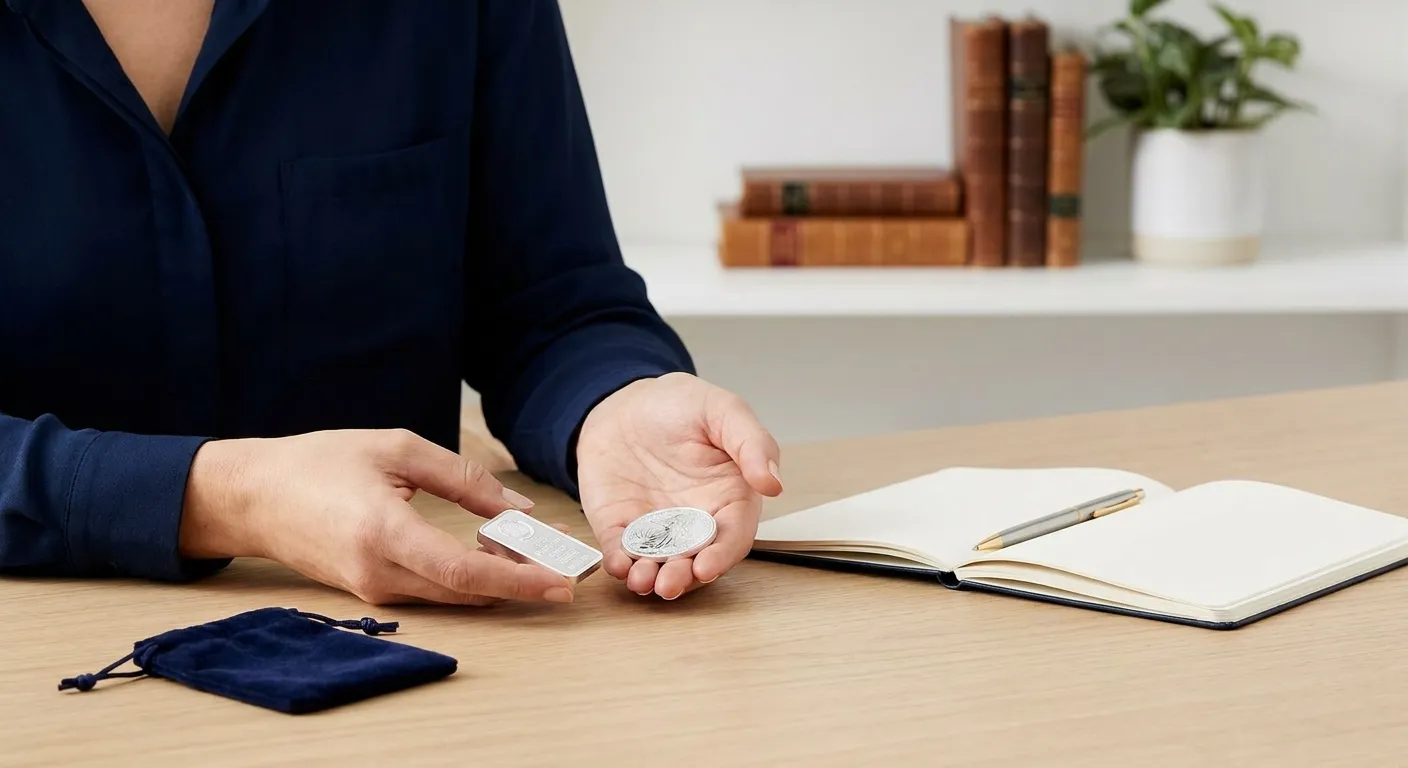
For cautious savers like Sarah, the idea of protecting wealth with precious metals is appealing, but the process can seem daunting. If you’re looking to buy physical silver for beginners, you’re in the right place. Silver Spot Prices is here to simplify the journey, making physical silver ownership accessible and understandable. Physical silver offers a tangible asset, favored by many for long-term holding and as a hedge against economic uncertainties. It’s a straightforward option, especially for budget-conscious investors who can begin with smaller quantities, such as individual coins or small bars.
Why Consider Physical Silver?
In an era marked by persistent supply deficits—projected to continue through 2026—and growing industrial demand from sectors like solar PV and electric vehicles, silver holds a unique position. This structural imbalance, where demand outstrips mine supply, underscores its fundamental value. Owning physical silver means holding a tangible asset that isn’t subject to counterparty risk inherent in some other investment forms. It’s a direct way to diversify your portfolio and preserve purchasing power. Furthermore, silver has historically served as a reliable store of value. Many investors view it as a critical component for wealth protection, particularly during periods of economic instability. For example, understanding how financial repression impacts wealth can highlight the appeal of tangible assets like silver. This tangible nature provides a sense of security that digital or paper assets may not offer.
Step 1: Understand Your Options – Coins vs. Bars
When you decide to acquire physical silver, you’ll primarily encounter two forms: coins and bars. Each has distinct characteristics that might suit different investment goals. Understanding these differences is crucial before you commit to purchasing.
- Silver Coins: These are often government-minted bullion coins (e.g., American Silver Eagles, Canadian Silver Maples, Austrian Philharmonics). They typically have a face value, are recognized globally, and can be easier to sell in smaller increments. Their premium over spot price is usually higher due to their collectibility and minting costs. For instance, a 1-ounce American Silver Eagle might carry a higher premium than a generic 1-ounce silver round, reflecting its government backing and intricate design.
- Silver Bars: Available in various sizes, from 1 ounce to 100 ounces or even 1000 ounces, bars generally have lower premiums per ounce compared to coins, making them more cost-effective for larger investments. They are ideal for those focused purely on silver’s intrinsic metal value. For example, a 10-ounce silver bar will often have a lower premium per ounce than ten 1-ounce silver coins, making it a more efficient purchase for accumulating larger quantities of metal.
For beginners, starting with a few 1-ounce coins or a small 10-ounce bar is a common, budget-friendly entry point. This allows you to get comfortable with the process without a significant initial outlay. Moreover, these smaller denominations offer flexibility if you ever need to sell a portion of your holdings.
Step 2: Choose a Reputable Dealer
This is perhaps the most critical step when you want to buy physical silver for beginners. Always purchase from established and highly-rated dealers to ensure authenticity and fair pricing. Unfortunately, the market does contain risks, so due diligence is paramount. Look for these key indicators:
- Accreditation: Check for memberships with industry organizations like the American Numismatic Association (ANA) or similar regional bodies. Such affiliations often signify adherence to ethical business practices.
- Transparent Pricing: Reputable dealers clearly display their prices, premiums, and shipping costs. They should also provide real-time spot price information, allowing you to understand the basis of their pricing.
- Customer Reviews: Online reviews and testimonials can provide insights into a dealer’s reliability and service. Websites like the Better Business Bureau or independent review platforms can be valuable resources.
- Secure Transactions: Ensure the dealer offers secure payment methods and insured shipping options. This protects your investment from the moment of purchase until it arrives safely in your hands.
Avoid private sellers on unverified platforms, as the risk of counterfeits is significantly higher. Instead, prioritize dealers with a proven track record and strong customer support. Several well-known online bullion dealers include JM Bullion, SD Bullion, and Kitco, all of which have established reputations in the precious metals industry. You can also explore local coin shops, but always verify their reputation before making a purchase.
Step 3: Understand Pricing and Premiums
When you acquire physical silver, you’ll encounter two main price components: the spot price and the premium. The spot price is the current market price for one ounce of silver, typically based on futures contracts. This price fluctuates throughout the day. However, the actual price you pay for physical silver will always be higher than the spot price. This difference is known as the premium.
The premium covers various costs associated with producing, distributing, and selling physical silver. These costs include:
- Minting or Fabrication Costs: The expense of turning raw silver into coins or bars.
- Dealer Mark-up: The dealer’s profit margin for sourcing, storing, and selling the product.
- Shipping and Insurance: The cost of securely transporting your silver.
- Supply and Demand: Premiums can increase during periods of high demand or limited supply. For instance, when silver faces a significant deficit, premiums may rise.
Always compare the total price (spot + premium) across different reputable dealers before making a purchase. A lower premium often means a better deal, especially for larger quantities of silver bars. However, don’t sacrifice dealer reputation for a slightly lower premium; authenticity and security are paramount.
Step 4: Secure Storage Solutions
Once you acquire physical silver, secure storage becomes a primary concern. There are several options, each with its own advantages and considerations:
- Home Storage: Keeping silver at home in a secure safe is a common choice. This offers immediate access to your assets. However, it also carries risks, including theft and loss due to fire or natural disaster. If you choose home storage, invest in a high-quality, fire-resistant safe and ensure your homeowner’s insurance policy covers precious metals.
- Bank Safe Deposit Box: A safe deposit box at a bank provides a higher level of security than most home safes. It protects against theft and some natural disasters. However, access is limited to bank hours, and the contents are generally not insured by the bank itself, so you would need separate insurance.
- Third-Party Vault Storage: Professional vaulting services specialize in storing precious metals. These facilities offer high-level security, insurance, and often allow you to buy, sell, and audit your holdings through them. This option removes the burden of personal security and provides peace of mind. Companies like Delaware Depository or Brinks offer such services. This is often the preferred choice for larger holdings or for those who wish to avoid the risks of home storage.
Carefully weigh the pros and cons of each option based on your investment size, comfort level with risk, and desired access to your silver. Regardless of your choice, ensure your silver is properly insured.
Step 5: How to Sell Your Physical Silver
While many investors purchase silver for long-term holding, understanding the selling process is equally important. When the time comes to sell your physical silver, you have several avenues:
- Reputable Dealers: The same reputable dealers you bought from are often the best place to sell. They typically offer competitive buy-back prices and a straightforward selling process. You can often sell back at or slightly below the current spot price, depending on the item and market conditions.
- Online Marketplaces: Platforms like eBay can be used, but they involve higher fees, shipping complexities, and the risk of dealing with less experienced buyers. This option is generally less recommended for beginners due to the added complexities.
- Local Coin Shops: A local coin shop can offer a quick sale, though their buy-back prices might be slightly lower than larger online dealers due to their overheads.
Before selling, research current market prices and compare offers from multiple buyers to ensure you get a fair price. Be aware that you will likely sell at a discount to the spot price, just as you bought at a premium. This spread is how dealers make their profit.
The Long-Term Value of Physical Silver
As you plan to buy physical silver for beginners, consider its role in a diversified portfolio. Silver has historically served as a hedge against inflation and currency devaluation. Its dual role as a monetary metal and an industrial commodity gives it unique characteristics. Industrial demand, particularly from green technologies, is a significant driver. For example, the increasing use of silver in solar panels and electric vehicles suggests a sustained demand outlook. This industrial utility differentiates silver from gold, which is primarily a monetary asset. Moreover, for those concerned about broader economic trends, understanding topics like stagflation and market movements can further highlight silver’s appeal as a protective asset. Holding physical silver provides a tangible sense of security, especially in an uncertain economic landscape.
Understanding Market Dynamics for Silver Acquisition
Before you buy physical silver for beginners, it helps to grasp some basic market dynamics. The price of silver is influenced by a multitude of factors, including global economic health, industrial demand, interest rates, and geopolitical events. For example, a strong manufacturing sector often boosts silver demand due to its industrial applications. Conversely, rising interest rates can sometimes make non-yielding assets like silver less attractive compared to bonds or other interest-bearing investments.
Moreover, the supply side is equally important. Mine production, recycling efforts, and government stockpiles all play a role in determining silver’s availability. Recent reports, like those discussing significant silver deficits, highlight a tightening market, which can potentially support higher prices. Therefore, staying informed about these fundamental factors can help you make more confident purchasing decisions. You don’t need to be an expert, but a general awareness certainly helps.
Important Considerations for First-Time Silver Buyers
As a beginner looking to acquire precious metals, there are a few additional points to keep in mind. First, always allocate a portion of your investment capital that you are comfortable with. Do not invest more than you can afford to lose, as all investments carry some risk. Second, understand that silver prices can be volatile. While it offers long-term wealth protection, its short-term price movements can be significant. Therefore, a long-term perspective is often recommended when you buy physical silver for beginners.
Third, be patient. Building a precious metals portfolio is a marathon, not a sprint. Consider dollar-cost averaging, where you invest a fixed amount regularly, regardless of the price. This strategy can help mitigate the impact of price fluctuations over time. Finally, continue to educate yourself. Resources from reputable financial news outlets or organizations like the Silver Institute can provide valuable insights into the market. For instance, articles from Bloomberg often cover significant precious metal stories, such as Viking silver treasure discoveries, which illustrate silver’s enduring value.
Final Thoughts on Becoming a Silver Owner
Embarking on the journey to buy physical silver for beginners is a smart move for diversifying your assets and protecting your wealth. By following these steps—understanding your options, choosing reputable dealers, comprehending pricing, and securing your holdings—you can navigate the process with confidence. Remember, the goal is long-term wealth preservation and portfolio diversification, not speculative trading. Silver Spot Prices is committed to providing clear, authoritative guidance every step of the way. We believe that informed investors are confident investors. Therefore, take your time, do your research, and make choices that align with your financial goals. Owning tangible silver can provide a strong foundation for your financial future.
Frequently Asked Questions About Buying Silver
What’s the best way to start investing in silver?
The best way to start acquiring silver is by beginning with small, manageable purchases, such as 1-ounce silver coins or a 10-ounce bar, from a reputable dealer. This approach allows you to become familiar with the process without a large initial commitment.
Are silver coins or bars better for new buyers?
Both silver coins and bars have merits for new buyers. Coins often have higher premiums but are easily recognizable and liquid. Bars typically have lower premiums per ounce, making them more cost-effective for accumulating more metal. Your choice depends on your budget and preference for liquidity versus cost efficiency.
How do I ensure I’m buying genuine silver?
To ensure you’re buying genuine silver, always purchase from highly-rated and accredited dealers. Look for transparent pricing, strong customer reviews, and secure transaction methods. Avoiding unverified private sellers significantly reduces the risk of counterfeits.
What are the risks of holding physical silver?
The main risks of holding physical silver include price volatility, storage costs, and the need for secure physical possession. While silver protects against certain economic risks, its market value can fluctuate. Proper insurance and secure storage solutions can mitigate some of these risks.
Where can I store my silver safely after purchase?
You can store your silver safely at home in a high-quality safe, in a bank safe deposit box, or with a professional third-party vaulting service. Each option offers different levels of security and access, so choose the one that best fits your needs and comfort level.
Related reading:

