

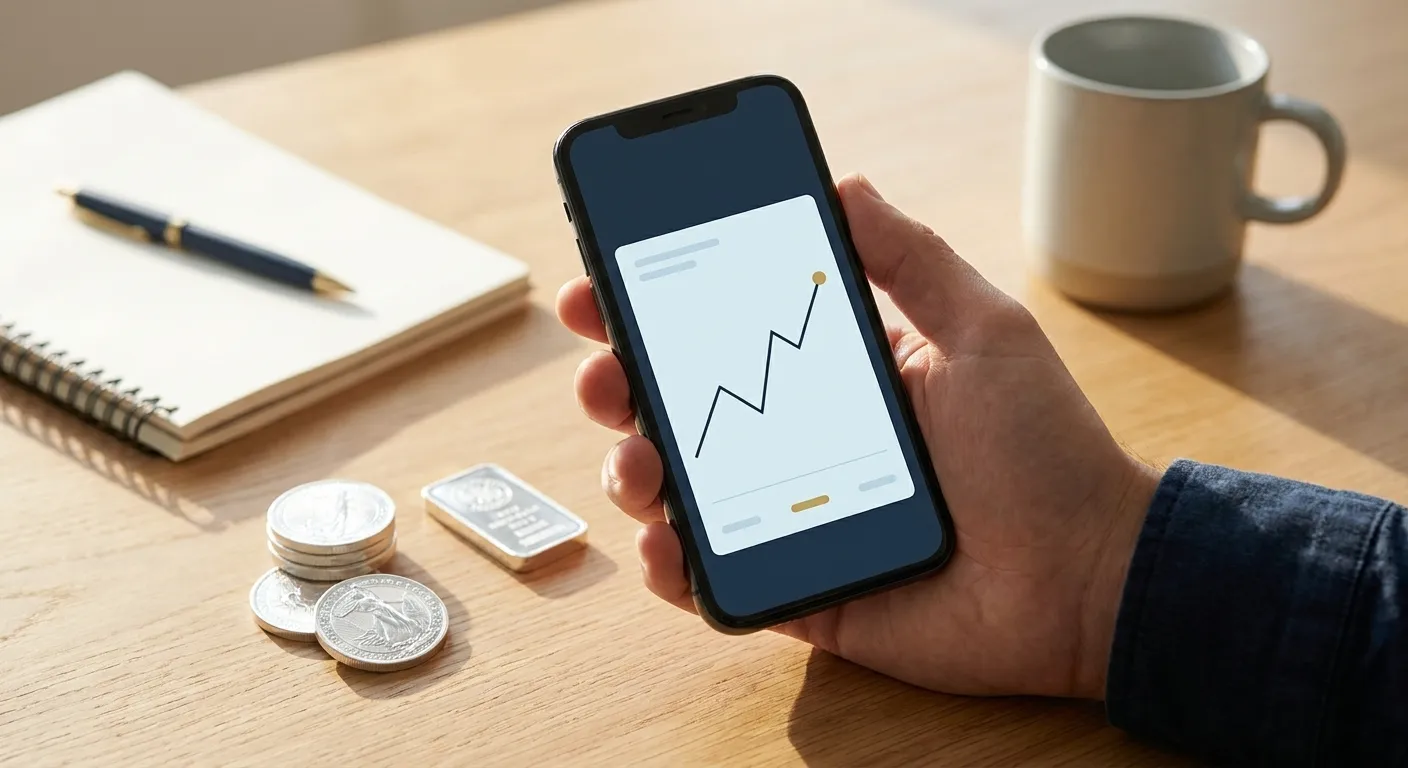
For cautious savers like Sarah, making informed decisions about precious metals means more than just buying silver; it means understanding its value and the forces that influence it. Learning to track silver spot price is a fundamental skill that empowers you to monitor your investment and grasp the broader market dynamics without needing to become a day trader. Silver Spot Prices is dedicated to making this process clear and accessible, demystifying the market for everyone.
Silver’s value is influenced by a complex interplay of supply, demand, economic indicators, and global events. By understanding these factors, you can interpret price movements and gain confidence in your long-term wealth preservation strategy. Let’s break down what silver spot price means, how to monitor it effectively, and the key signals that drive its short- and long-term changes.
What is the Silver Spot Price?
The silver spot price is the current market price at which silver can be bought or sold for immediate delivery. It’s the benchmark price for one troy ounce of 99.9% pure silver, often quoted in U.S. dollars. This price is determined by global supply and demand dynamics on major commodity exchanges around the world, such as the COMEX in New York and the London Bullion Market Association (LBMA).
It’s important to note that the spot price is a theoretical price for immediate delivery of a large quantity of silver. When you purchase physical silver coins or bars, you’ll pay a slight premium over the spot price. This premium covers the costs of fabrication, distribution, and the dealer’s margin. Understanding the spot price, however, is your starting point for evaluating the fairness of any physical silver offer.
Key Factors Influencing Silver Spot Price Movements
Silver’s price isn’t static; it constantly reacts to a variety of global forces. Here are the primary drivers you should monitor:
1. Supply and Demand Dynamics
This is the most fundamental economic principle. If demand outstrips supply, prices tend to rise. Recent trends show a significant imbalance: "The silver market in 2025 and 2026 has been characterized by persistent supply deficits, marking a sixth consecutive annual deficit projected for 2026 at 46.3 million ounces, widening from 40.3 million in 2025." This structural shortage is a strong underlying factor for potential price appreciation.
2. Industrial Demand
Unlike gold, a significant portion of silver’s demand comes from industrial applications, consuming "approximately 60% of annual global silver production." Key sectors include:
- Solar Photovoltaic (PV) Panels: A major growth area, accounting for nearly 29% of total silver industrial demand in 2024. Despite efforts to reduce silver content per panel, "global solar installations continue to rise, maintaining strong demand."
- Electric Vehicles (EVs): Silver is crucial for various electrical components and connections within EVs, contributing significantly to demand as the automotive industry shifts towards electrification.
- Electronics: From smartphones to medical devices, silver’s conductivity makes it indispensable. Therefore, a booming tech sector often means increased silver consumption.
Consequently, monitoring growth trends in these industries provides insight into future silver demand.
3. Investment Demand
Many individuals and institutions buy silver as a store of value or a hedge against inflation and economic uncertainty. When traditional financial markets are volatile, investors often turn to precious metals. This increased demand for physical silver, ETFs, and other silver-backed instruments can push the price higher.
4. Economic Indicators
Global economic health plays a crucial role. Strong economic growth can boost industrial demand, whereas economic instability often increases investment demand for safe-haven assets. Key indicators to watch include:
- Interest Rates: Higher interest rates generally make non-yielding assets like silver less attractive compared to bonds or savings accounts. Conversely, low or negative real interest rates tend to support silver prices.
- Inflation: Silver is often seen as a hedge against inflation. When the cost of living rises, the purchasing power of fiat currencies decreases, making tangible assets more appealing.
- GDP Growth: Robust global GDP growth can signal stronger industrial activity, leading to higher demand for silver.
- Manufacturing PMIs: Purchasing Managers’ Index (PMI) data for manufacturing sectors in major economies can indicate industrial activity levels, thus impacting silver demand.
Therefore, understanding the economic landscape is vital when you track silver spot price movements.
5. Geopolitical Events
Political instability, conflicts, and major global events can significantly impact silver prices. During times of uncertainty, investors seek safety, often flocking to precious metals. This "safe haven" demand can cause rapid price surges. For example, regional conflicts or trade wars can create market volatility that benefits silver.
6. U.S. Dollar Strength
Since the silver spot price is typically quoted in U.S. dollars, the strength of the dollar has an inverse relationship with silver. A stronger dollar makes silver more expensive for buyers using other currencies, potentially dampening demand. Conversely, a weaker dollar makes silver more affordable, often leading to price increases.
How to Track Silver Spot Price Effectively
Monitoring silver’s value doesn’t require complex software. Several accessible tools and methods can help you stay informed:
1. Online Precious Metal Dealers and Market Websites
Many reputable online dealers and financial news websites provide real-time or near real-time silver spot prices. Websites like Kitco or JM Bullion are excellent resources. They often display interactive charts, historical data, and news updates relevant to precious metals. This allows you to quickly check the current price and observe trends.
2. Financial News Outlets
Major financial news organizations (e.g., Bloomberg, Reuters, The Wall Street Journal) offer dedicated sections for commodities, including silver. These platforms provide not only price data but also expert analysis and news that can help you understand the underlying market signals. Therefore, regular reading can enhance your market understanding.
3. Mobile Apps
Numerous mobile applications are designed to help you track silver spot price along with other precious metals and financial assets. These apps often offer customizable alerts, allowing you to be notified of significant price movements. This convenience ensures you never miss important changes.
4. Futures Market Data
For those interested in a deeper look, the futures market provides insights into expected future prices. While not directly the spot price, futures contracts reflect market sentiment regarding supply and demand. Platforms that display COMEX futures data can offer a more granular view of market expectations.
5. Historical Charts and Data
Reviewing historical silver price charts can help you identify long-term trends and patterns. Looking at how silver has performed during different economic cycles can provide valuable context for current movements. This historical perspective is crucial for understanding volatility.
Interpreting Market Signals for Savers
Knowing how to track silver spot price is one thing; understanding what the movements mean for your wealth preservation strategy is another. Here’s how to interpret the signals:
1. The "Safe Haven" Signal
When global economic or geopolitical uncertainty rises, you’ll often see an uptick in silver prices. This indicates investors are seeking safety in tangible assets. For savers, this can be a confirmation of silver’s role as a protective asset. It suggests a broader market apprehension that silver can help mitigate.
2. Inflationary Pressures
If inflation fears are growing, as indicated by rising consumer price indices or central bank statements, silver prices often respond positively. This signals that investors are using silver to maintain their purchasing power against a depreciating currency. Consequently, observing inflation data is key.
3. Industrial Growth vs. Economic Slowdown
Strong manufacturing data, particularly from sectors like solar and electronics, can signal increased industrial demand for silver, supporting its price. Conversely, a slowdown in these sectors might suggest weakening industrial demand. Monitoring these economic reports helps you gauge the industrial health that supports silver.
4. Interest Rate Environment
A low or declining interest rate environment typically makes silver more attractive. This is because the opportunity cost of holding a non-yielding asset decreases. Conversely, rising interest rates can make silver less appealing. Therefore, paying attention to central bank policies is very important.
5. Dollar Movements
A weakening U.S. dollar often coincides with rising silver prices. This makes silver more affordable for international buyers and can signal a broader shift away from dollar-denominated assets. Similarly, a strengthening dollar can exert downward pressure. Therefore, keeping an eye on currency markets is beneficial.
Why Silver Spot Prices Matters for Your Wealth Strategy
For individuals new to precious metals or those seeking straightforward wealth protection, understanding and monitoring silver’s value is empowering. It allows you to:
- Make Informed Purchase Decisions: By knowing the current silver spot price, you can better assess the fairness of premiums charged by dealers for physical silver. This ensures you are getting a reasonable deal.
- Monitor Your Portfolio’s Value: If you hold physical silver, regularly checking its spot price helps you understand the current market value of your assets. This is crucial for tracking your investment’s performance.
- Understand Market Trends: Following silver prices helps you grasp broader economic and geopolitical trends. This knowledge can inform not just your silver holdings but also other financial decisions.
- Identify Potential Opportunities: While we advocate for long-term wealth preservation, understanding market dynamics can sometimes help you identify opportune times for buying or selling, should your strategy allow for it.
Ultimately, to track silver spot price is to gain a clearer picture of an important asset in your wealth preservation strategy. It transforms abstract market forces into actionable insights, providing confidence in your financial journey.
The Future of Silver: What to Watch
Looking ahead, several trends suggest continued relevance and potential for silver. The ongoing energy transition, particularly the expansion of solar power, is a significant demand driver. Furthermore, the increasing adoption of electric vehicles and advancements in 5G technology will likely sustain industrial consumption. Investors should continue to watch:
- Technological Innovations: New uses for silver in emerging technologies could create unforeseen demand.
- Global Economic Health: Resilient economic growth will support industrial demand, while uncertainty could boost investment demand.
- Monetary Policies: Central bank decisions on interest rates and quantitative easing will continue to influence silver’s attractiveness as an alternative asset.
- Mining Supply: Any disruptions to silver mining operations or new discoveries can impact overall supply.
For example, you can find more detailed analysis on silver market dynamics from organizations like The Silver Institute, which offers comprehensive reports on supply and demand. Additionally, insights from the LBMA can provide further clarity on market benchmarks and trends. Observing these elements will help you to track silver spot price movements with greater foresight.
Conclusion
Understanding how to track silver spot price is an essential step for anyone looking to safeguard their wealth through precious metals. It’s not about complex trading, but about gaining clarity and confidence in a world full of financial jargon. By monitoring key factors like supply/demand, industrial use, economic indicators, and geopolitical events, you can interpret market signals effectively.
Silver Spot Prices is committed to empowering you with the knowledge to make informed decisions. We believe that clarity and simplicity are paramount in wealth preservation. Continue to monitor silver’s value, stay informed, and build a resilient financial future, one informed decision at a time.
FAQ
What does "silver spot price" truly mean for me?
The silver spot price is the benchmark for one troy ounce of pure silver for immediate delivery. For you, it’s the fundamental starting point to understand the base value of silver. It helps you assess if the price you’re offered for physical silver, which includes a small premium, is fair and reasonable.
How often does the price of silver change?
The price of silver is dynamic and can change by the second during active trading hours on global commodity exchanges. It reacts to a continuous flow of economic news, market sentiment, and trading activity worldwide. Therefore, real-time tracking can show frequent fluctuations.
Why is there a premium when I buy physical silver?
The premium you pay over the current silver rate covers the costs associated with transforming raw silver into coins or bars. These costs include refining, minting, packaging, shipping, insurance, and the dealer’s operational expenses and profit margin. This is standard practice in the physical precious metals market.
What are the most important factors to watch when following silver prices?
The most important factors include global supply and demand dynamics, industrial demand (especially from solar and electronics), investment demand, the strength of the U.S. dollar, and global economic stability. These elements collectively drive significant movements in the market value of silver.
Is silver a good long-term investment for savers?
Many savers view silver as a valuable asset for long-term wealth preservation and diversification. Its roles as an industrial metal and a safe-haven asset provide a dual source of demand. While prices can fluctuate, its historical performance and intrinsic value make it an attractive component for those focused on protecting their wealth over time.
Explore more: More from Silver Spot Prices

