

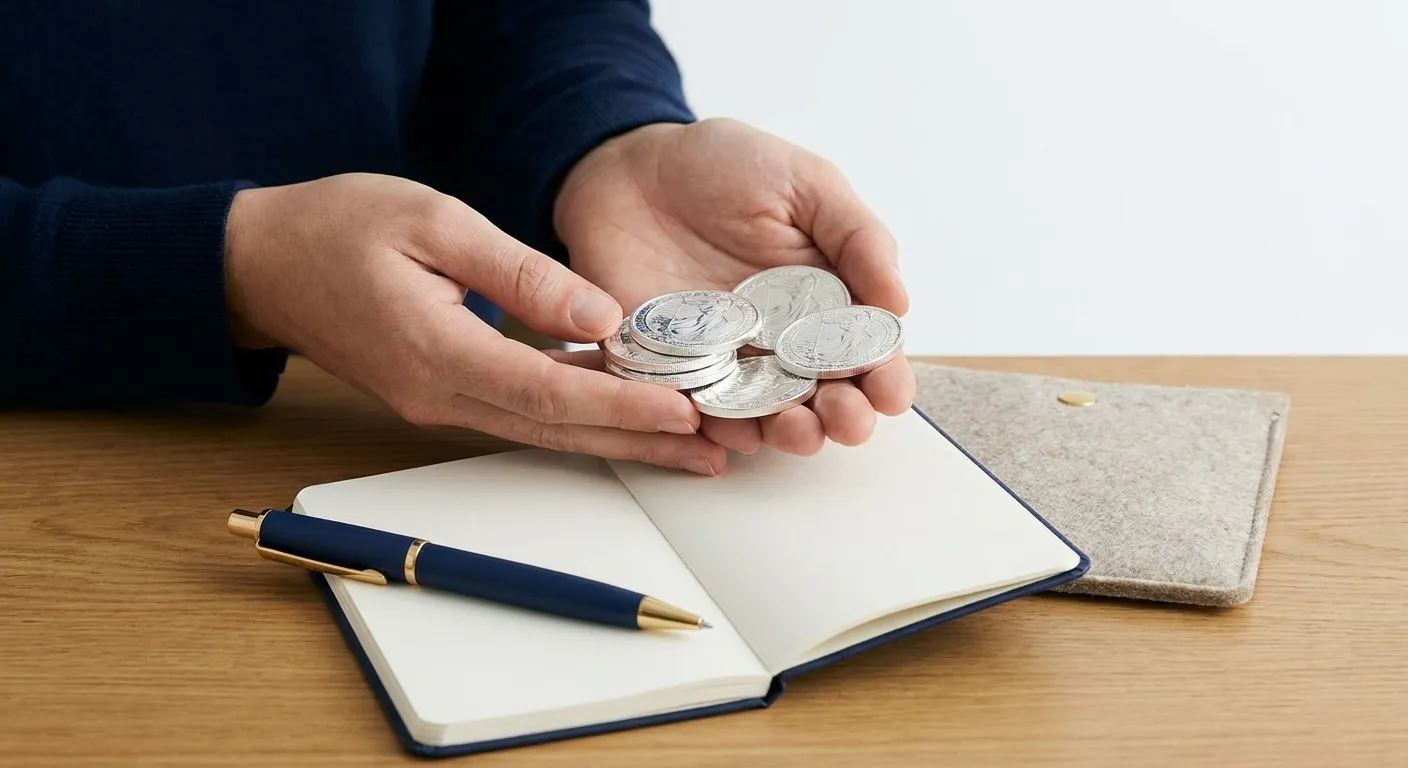
For cautious savers like Sarah, who are focused on long-term financial security and protecting savings from inflation, the idea of investing in precious metals can feel overwhelming. However, learning how to buy physical silver coins is a remarkably straightforward and empowering step toward tangible wealth. Silver has historically served as a reliable store of value, especially during times of economic uncertainty, making it an attractive option for those new to precious metals.
Unlike digital assets or paper investments, physical silver offers the unique benefit of tangibility. You can hold it, store it, and it isn’t subject to the same counterparty risks. This aligns perfectly with the desire for genuine wealth protection and diversification that many mass-market individuals seek today. As industry trends indicate, “Physical silver, such as coins and bars, continues to be a popular and straightforward option, especially for budget-conscious investors who can start with small quantities.” This guide will walk you through the essential steps to confidently acquire your first silver coins.
What Types of Physical Silver Coins Can You Buy?
When you decide to purchase physical silver, you’ll encounter several popular options. For beginners, coins are often the most accessible and recognizable. Common choices include:
- Government-Issued Bullion Coins: These are minted by sovereign governments and are recognized worldwide. Examples include the American Silver Eagle, Canadian Silver Maple Leaf, Austrian Silver Philharmonic, and British Silver Britannia. They typically contain one troy ounce of 99.9% pure silver and often carry a small face value, though their intrinsic metal value is significantly higher. Their authenticity is rarely questioned, making them a safe choice.
- Silver Rounds: These are privately minted pieces of silver that resemble coins but do not have a face value or government backing. They are usually 99.9% pure silver and often come at a lower premium over the spot price compared to government coins. They are an excellent budget-friendly option for accumulating silver weight.
- Silver Bars: While not coins, bars are another common form of physical silver, available in various sizes (1 oz, 5 oz, 10 oz, 100 oz, 1,000 oz). They are typically bought by investors looking to acquire larger quantities of silver with lower premiums per ounce. For first-time buyers, starting with smaller bars or coins is often recommended.
Consider your budget and investment goals when choosing. Starting with a few 1-ounce government-issued coins can be a great way to begin your journey, offering both recognition and liquidity.
Where to Confidently Purchase Physical Silver
Choosing a reputable seller is paramount when you’re ready to buy physical silver coins. Here are the most common and trusted avenues:
- Reputable Online Dealers: Many well-established online bullion dealers specialize in selling precious metals. They offer a wide selection, competitive pricing, and secure shipping. Furthermore, they often provide educational resources for new buyers. Ensure the dealer has a strong track record, positive customer reviews, and clear policies regarding shipping, insurance, and returns. Examples of highly regarded online dealers include JM Bullion, SD Bullion, and APMEX. These platforms make it convenient to compare prices and product availability from the comfort of your home.
- Local Coin Shops (LCS): A local coin shop can be an excellent resource, particularly for beginners. Here, you can examine the coins in person and receive personalized advice from experienced dealers. Moreover, building a relationship with a local dealer can be beneficial for future purchases and sales. However, prices might be slightly higher than online, and inventory can be more limited. Always verify their reputation within the community before making a purchase.
- Precious Metals Brokers: These professionals act as intermediaries, helping you navigate the market and find the best deals. They can be especially useful for larger purchases or if you prefer expert guidance. However, brokers typically charge a commission, which should be factored into your overall cost.
- Online Marketplaces: Platforms like eBay can offer silver, but they come with increased risk. If you choose this route, only buy from highly-rated sellers with extensive positive feedback, and always ensure the authenticity of the product. It’s generally safer for experienced buyers rather than those looking to buy physical silver coins for the first time.
Regardless of where you choose to purchase, always prioritize sellers who offer authenticated products and have transparent pricing. This ensures you receive genuine silver at a fair market value.
Understanding Silver Prices and Premiums
When you decide to acquire silver, you’ll encounter the term “spot price.” The spot price is the current market price for one troy ounce of silver, typically for large, unallocated quantities. This price fluctuates constantly based on global supply and demand, economic news, and geopolitical events. You can track the live silver spot price on reputable financial websites.
However, when you buy physical silver coins, you won’t pay exactly the spot price. Instead, you’ll pay the spot price plus a “premium.” This premium covers the costs associated with manufacturing, distribution, storage, and the dealer’s profit margin. Premiums can vary based on several factors:
- Type of Product: Government-issued bullion coins often have higher premiums due to their recognized authenticity, liquidity, and aesthetic appeal. Silver rounds and bars generally have lower premiums, making them more cost-effective for simply accumulating silver weight.
- Size of Product: Smaller denominations (e.g., 1-ounce coins) typically carry a higher premium per ounce than larger bars (e.g., 100-ounce bars) because manufacturing costs are spread across fewer ounces.
- Dealer Markups: Different dealers have varying operating costs and profit margins, leading to slight differences in premiums. Comparing prices from several reputable dealers is always a wise strategy.
- Market Demand: During periods of high demand, premiums can increase as dealers adjust to supply shortages. Conversely, lower demand might lead to slightly reduced premiums.
For instance, if the spot price of silver is $25 per ounce, a 1-ounce American Silver Eagle might sell for $30, meaning a $5 premium. Understanding these premiums is crucial for making informed purchasing decisions. Your goal as a beginner is to find a balance between a trusted seller and a reasonable premium when you buy physical silver coins.
Payment and Shipping Considerations for Your Silver Purchase
Once you’ve selected your silver products and a reputable dealer, the next steps involve payment and understanding shipping logistics. Various payment methods are typically accepted by online bullion dealers:
- Bank Wire: This is often the preferred method for larger purchases, as it typically offers the lowest premiums and fastest processing. However, there might be bank fees associated with a wire transfer.
- Paper Check/Money Order: These methods usually result in lower premiums compared to credit cards. However, the order will not ship until the check clears, which can take 5-10 business days. This delay means your price is locked, but delivery is slower.
- Credit/Debit Card: This offers convenience and instant payment, but often comes with a higher premium (typically 3-4% more) to cover processing fees. It’s suitable for smaller purchases or when speed is a priority.
- Cryptocurrency: Some dealers now accept cryptocurrencies like Bitcoin. This can offer speed and lower fees, but requires familiarity with crypto transactions.
After payment, consider shipping and insurance. Reputable dealers always ship precious metals securely and discreetly. Look for:
- Insurance: Ensure your shipment is fully insured against loss or damage during transit. This protects your investment until it arrives safely.
- Discreet Packaging: Shipments should not indicate their valuable contents externally.
- Tracking: A tracking number allows you to monitor your package’s journey.
- Signature Confirmation: This is a common requirement for high-value shipments, ensuring safe delivery into your hands.
Always review the dealer’s specific payment, shipping, and insurance policies before finalizing your order. This due diligence helps ensure a smooth and secure transaction when you choose to buy physical silver coins.
Storing Your Physical Silver Safely
Once you acquire physical silver, proper storage becomes a critical consideration. The tangibility of silver is a major advantage, but it also means you are responsible for its safekeeping. Here are common storage options:
- Home Safe: A high-quality, fire-resistant, and bolted-down home safe offers immediate access to your silver. However, it’s essential to ensure the safe is robust enough to deter theft and that your homeowner’s insurance policy covers precious metals stored on-site. Be aware that most standard policies have limits on such coverage.
- Bank Safe Deposit Box: This is a popular option for many, offering a high level of security provided by the bank. Your silver is protected from theft and fire. However, access is limited to bank hours, and the contents are not typically insured by the bank itself, so you would need separate private insurance.
- Third-Party Vault Storage: Professional precious metals depositories offer specialized, highly secure storage solutions. These facilities are often insured for the full value of your holdings and provide advanced security measures. This option is ideal for larger holdings or if you prefer maximum security without keeping silver at home. Companies like Brinks and Loomis offer such services.
When selecting a storage method, weigh the pros and cons based on your comfort level, the quantity of silver you own, and your need for immediate access. Remember, the goal is to protect your investment from theft, damage, and loss. Proper storage is an integral part of owning tangible wealth.
The Broader Appeal: Why Silver Matters for Your Portfolio
Beyond individual acquisition, understanding silver’s role in the broader economy reinforces its value proposition. Silver is not just a monetary metal; it’s also a crucial industrial commodity. Its properties make it indispensable in electronics, solar panels, medical devices, and electric vehicles. This dual demand profile (investment and industrial) often contributes to its price stability and growth potential.
Many investors, particularly those concerned about economic instability or the long-term devaluation of fiat currency, turn to precious metals. For example, some analysts suggest that the current economic climate, with significant global debt, makes a case for holding tangible assets. You can read more about this perspective in articles like “40 Trillion in Debt and Financial Repression Is the Only Exit.” The increasing industrial demand, especially from green technologies, suggests a robust future for silver. Furthermore, reports often highlight a deficit in the silver market, meaning demand often outstrips supply, which could impact future prices. Consider this insight from “Silver: 46.3 Million Oz Deficit — The Float Is Already Thinning.”
For those new to investing, adding physical silver to a portfolio can provide diversification, acting as a hedge against inflation and market volatility. It offers a tangible asset that is not correlated with traditional stocks and bonds, thus reducing overall portfolio risk. This aligns with the strategy of wealth protection and long-term financial security that many individuals, including first-time silver buyers, prioritize.
Tips for First-Time Silver Buyers
Embarking on your journey to buy physical silver coins can be exciting. To ensure a smooth experience, here are some practical tips specifically for beginners:
- Start Small: You don’t need to make a massive investment upfront. Begin with a few 1-ounce government-issued coins or rounds to get comfortable with the process. This allows you to learn without significant financial risk.
- Do Your Research: Before any purchase, research the current spot price, compare premiums from different dealers, and read reviews. Knowledge is your best tool for making informed decisions.
- Understand Premiums: As discussed, premiums are part of the cost. Aim for reputable dealers with fair premiums. Don’t chase the absolute lowest price if it means compromising on dealer trust or product authenticity.
- Verify Authenticity: When buying from a new source, especially local shops, familiarize yourself with common ways to verify silver authenticity, such as weight, dimensions, and magnetic properties. Reputable dealers will always guarantee authenticity.
- Keep it Simple: For beginners, sticking to well-known government bullion coins or standard silver rounds is often the easiest path. Avoid obscure or highly numismatic (collector) coins initially, as their value can be more complex to assess.
- Consider Dollar-Cost Averaging: Instead of buying a large quantity all at once, consider purchasing smaller amounts regularly over time. This strategy, known as dollar-cost averaging, can help mitigate the impact of price volatility.
- Stay Informed: Keep an eye on market trends and economic news. Understanding factors that influence silver prices can help you make more strategic decisions over time. Sources like The Silver Institute provide valuable market insights and data.
By following these tips, you can confidently navigate the process and successfully buy physical silver coins, building your tangible wealth one step at a time.
Conclusion: Your Path to Tangible Wealth Begins
Learning how to buy physical silver coins is a clear and empowering step towards securing your financial future. We’ve explored the different types of silver coins, identified trusted places to purchase them, and demystified the concepts of spot price and premiums. Furthermore, we’ve covered essential considerations for payment, shipping, and secure storage, ensuring your tangible wealth is well-protected. Remember, silver offers a unique blend of monetary history and industrial utility, making it a valuable addition to any diversified portfolio, especially for those seeking protection against economic uncertainties.
For first-time buyers, the journey starts with understanding the basics, choosing reputable sellers, and making informed decisions. By taking these deliberate steps, you can confidently acquire silver, adding a foundational layer of tangible assets to your financial strategy. Your investment in physical silver is not just a transaction; it’s a commitment to a more secure and diversified financial future. Take that first step today and begin building your tangible wealth.
FAQ
What are the best silver products for someone new to precious metals?
For individuals just starting out, government-issued bullion coins like the American Silver Eagle or Canadian Silver Maple Leaf are highly recommended. They are widely recognized, easy to verify, and liquid. Silver rounds are also an excellent budget-friendly choice for simply accumulating silver weight.
How do I know if the silver I’m purchasing is real?
Always buy from reputable dealers who guarantee authenticity. You can also perform simple tests at home, such as checking for proper weight and dimensions, using a magnet (silver is not magnetic), or performing an ice test (silver is an excellent thermal conductor). For significant purchases, consider having a professional assay performed.
Is it better to buy silver online or from a local shop?
Both options have merits. Online dealers often offer competitive pricing and a wider selection, while local coin shops provide in-person inspection and personalized advice. For new buyers, starting with a well-known online dealer or a highly-rated local shop is a good approach.
What is the difference between spot price and premium when acquiring silver?
The spot price is the current market price of one troy ounce of silver. The premium is the additional cost added to the spot price by dealers, covering manufacturing, distribution, and profit. You will always pay a premium over the spot price when you obtain physical silver.
How should I store my silver safely after I buy it?
Secure storage is crucial. Options include a high-quality home safe, a bank safe deposit box, or a professional third-party vault storage facility. Each option offers different levels of security, access, and cost, so choose the one that best suits your needs and the value of your holdings.
Related reading:

