

For many cautious savers, the idea of investing in precious metals brings to mind complex charts and intimidating jargon. Yet, for those seeking tangible assets and a straightforward way to protect their wealth, a beginner physical silver investment offers a clear and accessible path. If you’re new to precious metals and considering taking your first step, understanding the basics of buying physical silver is essential to build confidence and make informed choices. This guide will walk you through everything you need to know to get started.
Why Physical Silver Appeals to Cautious Savers
Physical silver offers a unique appeal: direct ownership of a tangible asset. Unlike stocks or bonds, which represent a claim on an asset, holding a silver coin or bar means you literally possess a piece of wealth. This tangibility provides a profound sense of security, especially during times of economic uncertainty or when trust in traditional financial systems wavers. The recent surge in silver prices, gaining approximately 144% in 2025 and even topping $79 per ounce by late December 2025, highlights its potential as a store of value and an inflation hedge. Consequently, many investors are turning to physical assets.
For budget-conscious individuals, physical silver is particularly attractive because you can start small. You don’t need a large capital outlay to begin; even a single silver coin can be your first step into tangible wealth, making it an accessible option for first-time buyers. Moreover, silver has a long history as a monetary metal, recognized globally for its intrinsic value. Therefore, it serves as a reliable asset in various economic climates.
Understanding Your Physical Silver Options
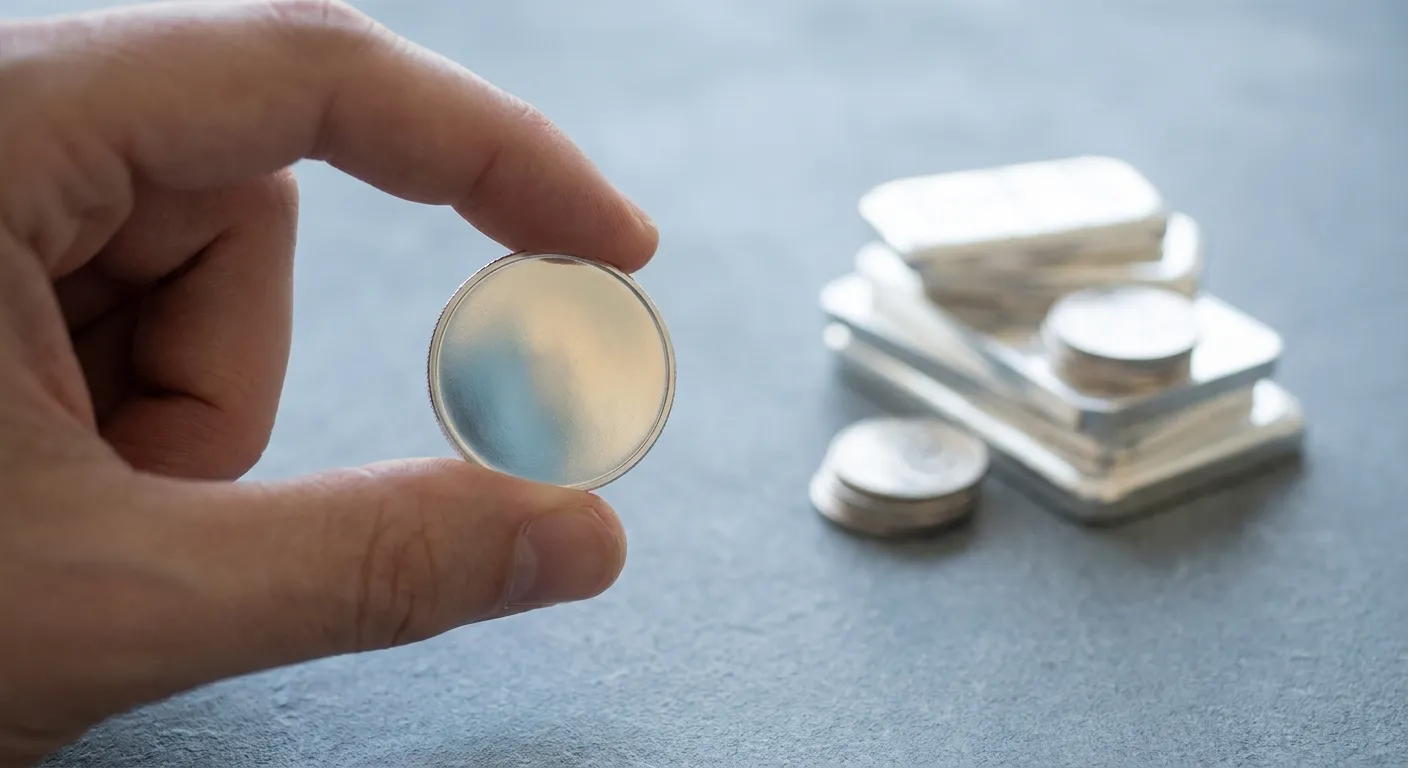
When making a beginner physical silver investment, you’ll primarily encounter two forms: coins and bars. Each has its advantages, depending on your budget and goals. Understanding these differences will help you make an informed decision.
- Silver Coins: Often preferred by new investors, sovereign mint coins (like American Silver Eagles or Canadian Silver Maples) are recognized globally, making them highly liquid. They typically come in 1-ounce denominations, making them easy to buy, sell, and store. Their smaller size is ideal for starting with a budget-conscious approach. Additionally, many collectors appreciate the artistic designs and historical significance of these coins, which can sometimes add a small premium to their value.
- Silver Bars: Available in various sizes, from 1-ounce to 1,000-ounce bars, these generally carry lower premiums over the spot price compared to coins due to simpler manufacturing. Larger bars are more cost-effective per ounce but require a greater initial investment and more robust storage solutions. For instance, a 100-ounce bar offers a lower per-ounce cost than 100 individual 1-ounce coins.
Beyond Physical: Other Avenues (Briefly)
While our focus is on physical silver, it’s worth noting other ways to gain exposure. Digital silver platforms allow you to invest without the complexities of physical storage, offering convenience. Exchange-Traded Funds (ETFs) like the iShares Silver Trust (SLV), which holds approximately 493.8 million ounces of silver and managed nearly $34.7 billion in assets as of September 2026, provide a convenient way to track silver prices without direct ownership. Investing in silver mining stocks (e.g., Fresnillo plc, Pan American Silver, First Majestic Silver) is another method, though it carries higher volatility and counterparty risk, making it less suitable for most beginners. However, these options do not offer the same tangible security as holding physical metal.
Where to Buy Your First Silver Pieces
Finding a reputable dealer is crucial for your initial silver purchase. It ensures you receive authentic products at fair prices. Fortunately, several reliable avenues exist for a beginner physical silver investment.
- Local Coin Shops: Many towns have local coin shops where you can buy silver in person. This allows you to inspect the product before purchase and build a relationship with a trusted dealer. Moreover, you can often get immediate advice and answers to your questions.
- Online Bullion Dealers: Websites like JM Bullion, SD Bullion, and APMEX are popular choices for buying silver online. They offer a wide selection, competitive pricing, and secure shipping. Before buying, always check their reviews and ensure they have a strong reputation. Furthermore, they often provide detailed product descriptions and educational resources.
- Mints: Some national mints, like the U.S. Mint, sell certain silver products directly to the public. While their selection might be limited, buying directly from a mint guarantees authenticity. For example, the Royal Canadian Mint is known for its high-quality silver products.
Always compare prices from several dealers to ensure you’re getting a good deal. Look for dealers that clearly state their premiums and shipping costs. In addition, verify their return policies and customer service options.
Understanding Silver Spot Price and Premiums
When you make a beginner physical silver investment, you’ll encounter the term “spot price.” The spot price is the current market price for one ounce of silver, typically for large, institutional transactions. However, when you buy physical silver, you will always pay a premium over the spot price. This premium covers manufacturing costs, dealer markups, shipping, and insurance. Premiums can vary based on the type of product (coins usually have higher premiums than bars), the size of your purchase, and market demand. For example, a 1-ounce silver coin will have a higher percentage premium than a 10-ounce bar. Therefore, understanding this distinction is vital for accurate budgeting.
It is important to remember that the spot price fluctuates throughout the day, influenced by global economic events, supply and demand, and geopolitical news. Keeping an eye on these trends can help you decide when to buy. For instance, an understanding of market dynamics, such as those discussed in “What Bullion Banks Know About Gold and Silver That You Don’t”, can be beneficial. Furthermore, being aware of reports like the COT Silver Report can provide insights into market sentiment.
Storage Solutions for Your Physical Silver
Once you acquire your silver, safe storage is paramount. The tangibility of physical silver means you are responsible for its security. Various options exist, each with its own advantages and considerations for a beginner physical silver investment.
- Home Storage: For small quantities, a secure home safe can be an option. Ensure the safe is fireproof and bolted down. However, this carries risks of theft and potential loss in case of a natural disaster. Therefore, it’s wise to limit the amount stored at home.
- Bank Safe Deposit Box: A safe deposit box at a bank offers a more secure environment than home storage. It provides protection against theft and fire. However, access is limited to bank hours, and the contents are not typically insured by the bank itself, so you would need separate insurance.
- Third-Party Vault Storage: Professional vaulting services specialize in storing precious metals. They offer high-level security, insurance, and sometimes even segregated storage (meaning your specific items are stored separately from others). This is often the most secure option, particularly for larger investments. Companies like Brinks or Loomis provide such services.
Regardless of your chosen method, ensure your silver is insured. Check your homeowner’s policy, or consider a specialized precious metals insurance policy. Furthermore, keep detailed records of your purchases, including receipts and photographs.
Key Considerations Before Making Your First Purchase
Embarking on a beginner physical silver investment journey requires thoughtful planning. Several factors should influence your approach to ensure a positive experience and protect your wealth.
Budgeting for Your Silver Purchase
Determine how much you are comfortable investing. Silver is a long-term asset, so only invest funds you won’t need in the short term. Start small, perhaps with one or two ounces, to get a feel for the process. As your confidence grows, you can gradually increase your holdings. Remember, consistency over time can be more effective than trying to time the market perfectly. For example, setting aside a fixed amount each month to buy silver can be a sensible strategy.
Authenticity and Purity
Always buy from reputable dealers to avoid counterfeits. Most investment-grade silver is 99.9% pure, often stamped with “.999 Fine Silver.” Familiarize yourself with common silver hallmarks and indicators of authenticity. Reputable dealers will provide certificates of authenticity for certain products. Furthermore, understanding the characteristics of genuine silver will safeguard your investment.
Liquidity and Exit Strategy
While silver is a tangible asset, converting it back to cash requires finding a buyer. Sovereign coins are generally more liquid than generic bars. Plan your exit strategy: will you sell back to a dealer, or to another private individual? Knowing your options beforehand will make the selling process smoother. For instance, some dealers offer buy-back programs, which can simplify selling your holdings.
The Broader Economic Landscape and Silver’s Role
Silver’s appeal as a tangible asset is often magnified during periods of economic uncertainty. Many investors view it as a hedge against inflation and currency devaluation. With global debt levels rising, as explored in articles like “40 Trillion in Debt and Financial Repression Is the Only Exit”, the stability offered by precious metals becomes increasingly attractive. Moreover, silver has industrial demand, making it more than just a monetary metal. It is used in electronics, solar panels, and medical applications, which adds another layer to its value proposition. This dual demand, both as an investment and an industrial metal, can contribute to its long-term stability.
Reports of silver deficits, such as “Silver: 46.3 Million Oz Deficit — The Float Is Already Thinning”, further underscore its potential value. The increasing demand from various sectors, including the burgeoning AI industry, as discussed in “The AI Boom Runs on Metals, Mines, and Massive Debt”, points to a future where silver’s utility may only grow. Therefore, a beginner physical silver investment aligns with a forward-thinking approach to wealth protection.
Conclusion: Taking Your First Step
Embarking on your beginner physical silver investment journey is a tangible way to protect and diversify your wealth. By understanding the basics—why silver appeals to cautious savers, the different forms available, where to buy, and how to store it—you can approach this investment with confidence. Remember to start small, choose reputable dealers, and consider your storage options carefully. Silver offers a straightforward path to tangible ownership, providing a sense of security and a hedge against economic fluctuations. As you gain experience, you’ll find that building your precious metals portfolio can be a rewarding endeavor. Taking these initial steps can lead to a more secure financial future.
FAQ
What types of silver are best for new investors?
For individuals just starting out, sovereign mint silver coins like American Silver Eagles or Canadian Silver Maples are generally recommended. They are widely recognized, easy to buy and sell, and come in convenient 1-ounce sizes, making them ideal for a first-time silver purchase.
How do I know if a silver dealer is trustworthy?
Always look for dealers with a strong reputation, positive customer reviews, and clear pricing policies. Check if they are members of industry organizations. Comparing prices and checking their return and shipping policies before committing to a purchase is also a good practice. Online forums and independent review sites can offer valuable insights.
Is it better to buy silver coins or silver bars?
The choice between coins and bars depends on your budget and preferences. Silver coins often have higher premiums but are highly liquid and easy to store in smaller quantities. Silver bars, especially larger ones, typically have lower premiums per ounce, making them more cost-effective for larger investments, though they require more significant initial capital and robust storage.
What is the ‘premium’ when buying silver?
The premium is the additional cost you pay above the current spot price of silver. This covers manufacturing, dealer overheads, shipping, and insurance. Premiums can vary based on the product type, its rarity, and current market demand. Understanding this cost is key to knowing the true price of your acquisition.
How should I store my physical silver safely?
Secure storage is crucial. Options include a bolted-down home safe for small amounts, a bank safe deposit box for better security, or professional third-party vault storage for larger holdings. Always ensure your silver is adequately insured, whether through your homeowner’s policy or a specialized precious metals insurance plan.
Related reading:

