

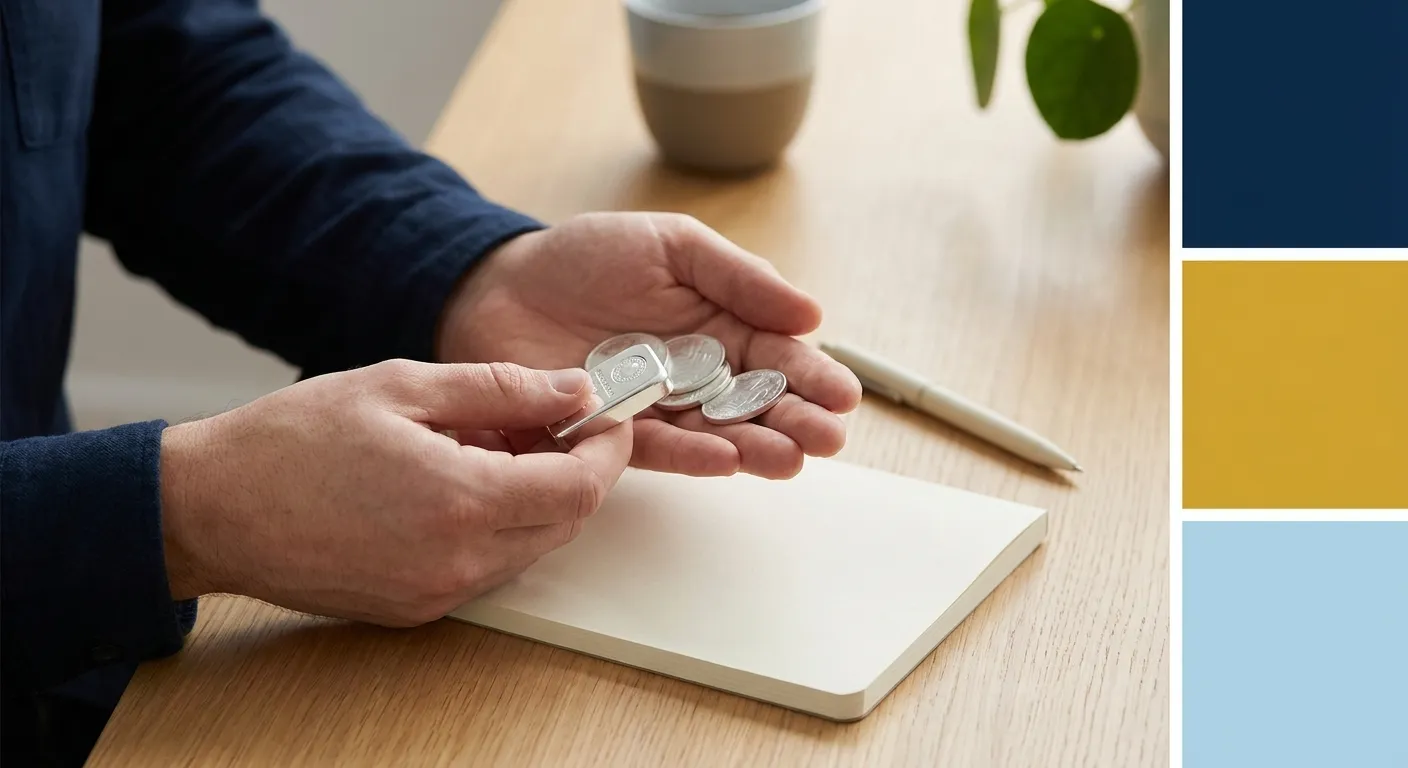
Becoming a first-time silver buyer can feel daunting, especially for cautious savers like Sarah who are new to precious metals and wary of complex financial jargon. The idea of investing in something as tangible as silver often sparks questions about where to start, what to buy, and how to ensure a secure purchase. At Silver Spot Prices, we believe in empowering you with clear, concise information, making the path to protecting your wealth through physical silver both accessible and transparent. This guide will walk you through the simplest ways to begin your silver investment journey.
Why Consider Silver for Your First Investment?
For budget-conscious investors and those new to precious metals, silver offers an attractive entry point. It’s more affordable per ounce than gold, allowing you to start with smaller quantities while still gaining exposure to a tangible asset. Silver also serves as a hedge against inflation and economic uncertainty, making it a valuable tool for long-term wealth preservation. Recent market trends highlight silver’s potential, with significant price surges in 2025 and early 2026, including a 144% gain in 2025, its sharpest annual advance since 1979. These movements underscore its role in a diversified portfolio.
Simple Ways to Start Buying Silver
For new silver investor tips, we focus on methods that prioritize simplicity and transparency. There are primarily two straightforward avenues for beginner silver investment:
1. Physical Silver: Coins and Bars
This is often the preferred method for first-time buyers due to its tangibility and direct ownership. Buying physical silver means you hold the actual metal in your hand, offering a sense of security and control. You can purchase:
- Silver Coins: Government-minted bullion coins (e.g., American Silver Eagles, Canadian Silver Maples) are recognized globally, easy to verify, and come in various sizes (typically 1 troy ounce). They are excellent for starting with silver due to their liquidity and trust factor.
- Silver Bars: Available in a wider range of sizes, from small 1-ounce bars to larger 100-ounce or 1,000-ounce bars. Bars generally have lower premiums over the spot price compared to coins, making them a cost-effective option for accumulating more silver. For simple silver buying, bars offer a straightforward way to acquire larger quantities.
Considerations for Physical Silver:
- Storage: You’ll need a secure place to store your physical silver, whether at home (safe) or in a professional depository.
- Authenticity: Always purchase from reputable dealers to ensure authenticity. Silver Spot Prices only works with trusted sources.
- Premiums: Expect to pay a small premium over the current spot price, which covers manufacturing, distribution, and dealer costs. This is standard for all physical precious metals.
Understanding Silver Spot Price and Premiums
When you begin your journey as a new silver investor, understanding the “spot price” is crucial. The spot price is the current market price at which silver can be bought or sold for immediate delivery. This price constantly fluctuates based on global supply and demand, economic indicators, and geopolitical events. It represents the raw value of one troy ounce of silver. However, when you purchase physical silver, you will notice that the actual price you pay is slightly higher than the spot price. This difference is known as the “premium.”
Premiums cover the costs associated with manufacturing, refining, distribution, and the dealer’s profit. For instance, a beautifully minted silver coin requires labor and machinery to produce, which adds to its overall cost. Similarly, transporting and securing precious metals involves expenses. Therefore, a reputable dealer will always charge a premium over the spot price. This is a normal part of the process. Higher premiums are often seen on smaller denominations, such as 1-ounce coins, because the fixed costs are spread over a smaller amount of silver. Conversely, larger bars usually have lower premiums per ounce. As a beginner silver investor, familiarizing yourself with these terms will help you make informed decisions.
Choosing the Right Silver Product for You
Selecting the best silver product depends on your investment goals and budget. For many first-time silver buyers, government-minted bullion coins are an excellent starting point. Coins like the American Silver Eagle or Canadian Silver Maple Leaf are widely recognized and highly liquid, meaning they are easy to buy and sell. Their authenticity is rarely questioned, which adds an extra layer of security for those new to the market. Furthermore, these coins are often easier to store due to their uniform size and protective packaging.
On the other hand, silver bars offer a more cost-effective way to accumulate larger quantities of silver. They typically carry lower premiums over the spot price, which means you get more silver for your money. Bars come in various sizes, from 1-ounce to 1,000-ounce, providing flexibility for different budgets. If your primary goal is to acquire as much silver as possible at the lowest possible premium, then bars might be a better choice. Regardless of your preference, ensure your purchases come from a trusted source. You can always consult resources like What Bullion Banks Know About Gold and Silver That You Don’t for deeper insights into the market.
Securing Your Silver Investment: Storage Options
Once you acquire physical silver, secure storage becomes paramount. Many options exist, each with its own advantages and considerations. For a modest investment, storing silver at home in a high-quality safe can provide immediate access and peace of mind. However, home storage carries risks, including theft and potential damage. Therefore, proper insurance is highly recommended if you choose this route. Ensure your safe is bolted down and discreetly located.
Alternatively, professional third-party storage facilities offer enhanced security. These depositories are specifically designed to protect precious metals, featuring advanced surveillance, robust vaults, and comprehensive insurance coverage. While this option incurs storage fees, it significantly mitigates the risks associated with home storage. Many investors find the peace of mind offered by professional storage well worth the cost. When you are a first-time silver buyer, understanding these storage options is essential for safeguarding your assets. Consider reviewing articles on market dynamics, such as Silver: 46.3 Million Oz Deficit — The Float Is Already Thinning, to understand broader supply considerations.
Finding a Reputable Silver Dealer
Choosing a trustworthy dealer is perhaps the most critical step for any new silver investor. A reputable dealer ensures authenticity, fair pricing, and transparent transactions. Look for dealers with a strong track record, positive customer reviews, and clear policies regarding shipping, returns, and buybacks. Membership in industry organizations, such as the National Coin & Bullion Association (NCBA), often indicates a dealer’s commitment to ethical practices. Always verify the dealer’s physical address and contact information. Be wary of deals that seem too good to be true, as they often are. A good dealer will educate you, not pressure you. They will provide clear invoices and certificates of authenticity for your purchases. For more context on market movements, articles like Peter Krauth Sees Silver Reaching $80 to $85 Before Year-End can offer valuable perspectives.
Understanding Silver’s Market Dynamics
Silver’s price is influenced by a complex interplay of factors, making it a dynamic asset. Industrial demand plays a significant role; silver is a crucial component in electronics, solar panels, and medical devices. Therefore, economic growth and technological advancements can drive its price. Investment demand, particularly during times of economic uncertainty, also significantly impacts silver’s value. Many investors turn to silver as a safe-haven asset when traditional markets are volatile or inflation concerns rise. Monetary policies, interest rates, and the strength of the U.S. dollar also affect silver prices. A weaker dollar typically makes silver more affordable for international buyers, increasing demand.
Supply-side factors, including mining output and recycling rates, further influence the market. Geopolitical events and global economic shifts can lead to supply disruptions or increased demand, causing price fluctuations. For example, recent analyses suggest a significant deficit in silver supply, which could impact future prices. Understanding these market dynamics helps a first-time silver buyer make informed decisions. It’s not just about buying; it’s about understanding the environment in which your investment operates. For detailed analyses, consider external resources like the Silver Institute or Kitco for current prices and market news.
The Long-Term Perspective for Silver Investors
While short-term price movements can be exciting, silver is generally considered a long-term investment. Its role as a store of value and a hedge against inflation makes it suitable for wealth preservation over many years. Historically, silver has demonstrated its ability to maintain purchasing power during periods of economic instability. For a new silver investor, patience is a virtue. Avoid the temptation to constantly monitor daily price fluctuations. Instead, focus on your long-term financial goals and consider dollar-cost averaging, where you invest a fixed amount regularly, regardless of the price. This strategy can help mitigate the impact of market volatility. Many experts believe silver has significant upside potential in the coming years, particularly given its increasing industrial demand and finite supply. For example, the growing AI boom relies heavily on various metals, including silver, highlighting its future relevance. Learn more about this in The AI Boom Runs on Metals, Mines, and Massive Debt.
Starting Your Silver Journey with Confidence
Embarking on your journey as a first-time silver buyer is a significant step towards diversifying your assets and protecting your wealth. By understanding the basics of physical silver, spot prices, premiums, storage, and reputable dealers, you can make informed decisions with confidence. Remember, education is your most valuable tool. At Silver Spot Prices, we are committed to providing clear, transparent, and approachable information to guide you every step of the way. Start small, learn continuously, and build your silver holdings systematically. Your financial future can be strengthened by tangible assets like silver, offering a resilient foundation in an ever-changing economic landscape. We encourage you to continue learning and exploring the world of precious metals. Your journey as a new silver investor is just beginning, and we are here to support you.
FAQ
What is the best way for a beginner to buy silver?
For individuals new to precious metals, buying physical silver coins or bars from a reputable dealer is often the simplest and most transparent method. Government-minted bullion coins are especially recommended due to their global recognition and ease of verification.
How much silver should a new investor buy?
The amount of silver a beginner should buy depends on their budget and investment goals. Many start with a single 1-ounce silver coin to get familiar with the process. You can gradually increase your holdings as you become more comfortable and knowledgeable about the market.
What is the difference between spot price and the price I pay?
The spot price is the current market value of one troy ounce of silver for immediate delivery. The price you pay for physical silver includes a “premium” over the spot price. This premium covers manufacturing, refining, distribution, and dealer costs.
Where can I securely store my silver?
You have two primary options for storing your silver: at home in a high-quality safe (with appropriate insurance) or in a professional third-party depository. Professional depositories offer enhanced security and comprehensive insurance for a fee.
What factors influence silver’s price?
Silver’s price is influenced by industrial demand (electronics, solar panels), investment demand (safe-haven asset), monetary policies, interest rates, the strength of the U.S. dollar, and supply-side factors like mining output. Geopolitical events also play a role.
Related reading:

