

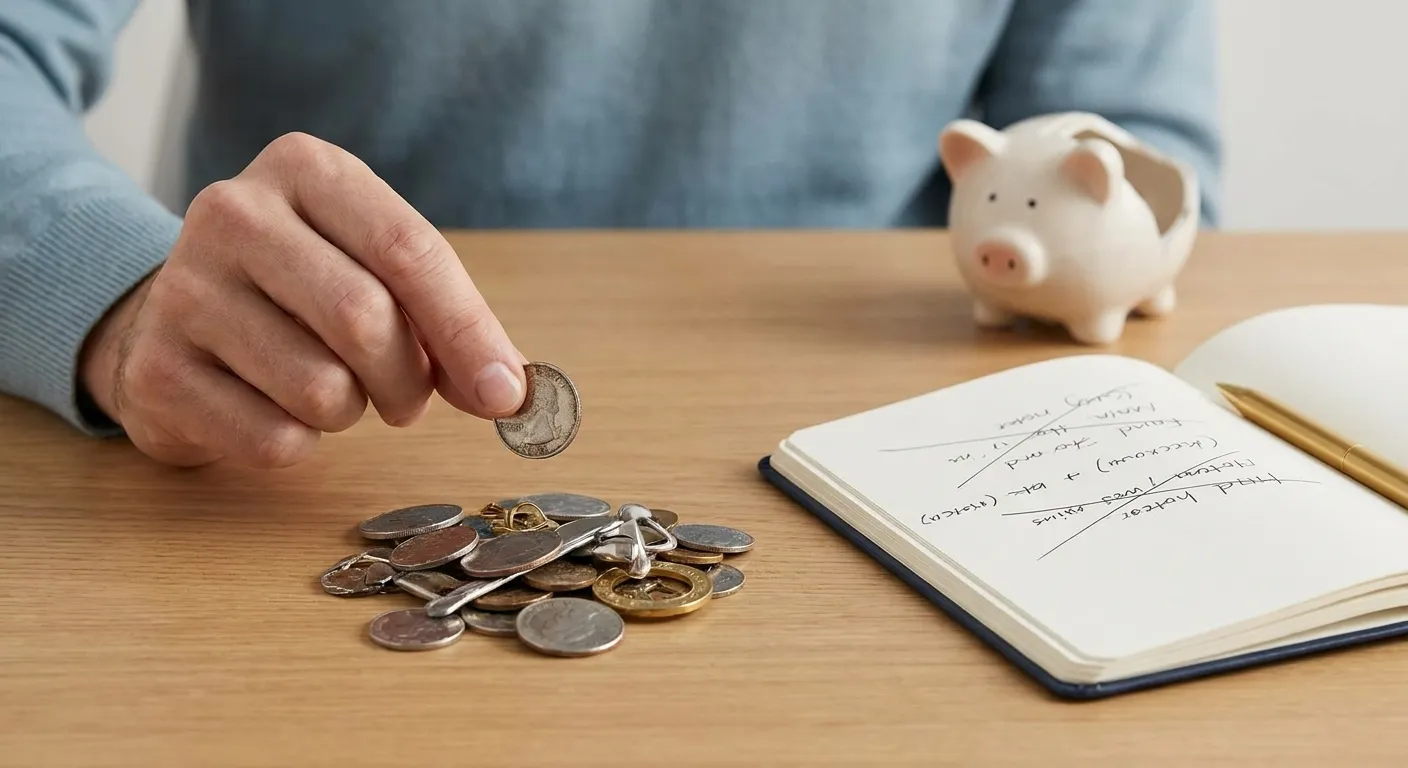
Starting your journey into silver investing can be an exciting step toward protecting and growing your savings. However, like any new endeavor, it comes with potential pitfalls. Being aware of common new silver investor mistakes can help you navigate the market confidently and safeguard your initial investments. This guide highlights key areas where new investors often stumble, offering clear advice to help you avoid them.
Navigating the Landscape: Avoiding Common New Silver Investor Mistakes
One of the most frequent new silver investor mistakes involves choosing where and how to buy and store your precious metal. It’s easy to be swayed by the lowest price, but due diligence is paramount. Understanding these early challenges will build a strong foundation for your precious metals journey.
The Importance of Reputable Dealers and Secure Storage
Firstly, identifying a trustworthy dealer is crucial. The market for physical silver includes many dealers, but not all operate with the same level of integrity. Failing to research a dealer’s reputation, customer reviews, and accreditation can lead to issues with authenticity, delivery, or unfair pricing. Therefore, always opt for well-established, transparent dealers with positive feedback. Look for memberships in industry organizations, such as the Industry Council for Tangible Assets (ICTA), or clear return policies. This careful selection process helps mitigate risks associated with your initial purchases.
Secondly, once you acquire physical silver, how you store it is critical. Many new investors underestimate the importance of secure storage, opting for unsafe home storage or neglecting to insure their holdings. Consequently, this oversight can expose your assets to theft, damage, or loss. Consider options like reputable third-party vaults, which offer professional security and insurance. Alternatively, a robust home safe, properly secured and ideally bolted down, can be an option for smaller holdings. The primary goal is to protect your asset effectively.
Furthermore, insurance is a vital component of secure storage, whether at home or in a vault. Many homeowner policies have limits on precious metals, so a separate rider or specialized insurance might be necessary. Checking the terms of any vault storage agreement is also important to confirm what insurance is included. This proactive approach ensures your investment is protected against unforeseen events.
Understanding Premiums, Spreads, and Market Nuances
Beyond the initial purchase, understanding pricing structures and market dynamics is another area where new investors can make errors. These financial details are often overlooked, yet they significantly impact your overall investment.
The ‘spot price’ of silver is the raw market price for a troy ounce. However, when you buy physical silver, you’ll pay a ‘premium’ over the spot price. This premium covers the cost of manufacturing, distribution, and the dealer’s margin. The ‘spread’ is the difference between a dealer’s buy and sell price. New investors sometimes forget to factor these into their budget, leading to unexpected costs or less silver than anticipated. Always compare premiums across different dealers and understand the total cost of your investment. For example, buying smaller denominations often incurs higher premiums per ounce. Market predictions can influence buying decisions, but understanding these fundamental costs is always essential.
Moreover, the type of silver product you choose affects premiums. Silver rounds and bars typically have lower premiums than government-minted coins like American Silver Eagles or Canadian Silver Maples. While government coins offer additional benefits, such as legal tender status and often higher liquidity, their premiums reflect these advantages. Weighing these factors against your investment goals is crucial. For instance, if your primary goal is to acquire as much silver as possible for a given budget, lower-premium options might be more suitable.
Avoiding Emotional Decisions and Lack of Diversification
Another pitfall for new investors is making decisions based purely on emotion or failing to diversify their portfolio. These behaviors can undermine long-term financial stability.
Firstly, the silver market, like all markets, experiences fluctuations. Reacting to short-term price swings with panic buying or selling is a common new silver investor mistake. Instead, adopting a long-term perspective is generally more beneficial for precious metals investors. Silver is often seen as a hedge against inflation and economic uncertainty. Therefore, focusing on its role as a wealth preserver rather than a quick speculative gain can lead to better outcomes. Remaining calm during market volatility is a sign of a seasoned investor.
Secondly, while silver is an excellent asset for wealth protection, putting all your investment capital into a single asset class is rarely advisable. Diversification means spreading your investments across different types of assets to reduce overall risk. While silver can be a significant part of a portfolio, combining it with other assets like stocks, bonds, or real estate can provide a more balanced approach. Consider how silver fits into your broader financial strategy, especially given discussions around debt and financial repression.
Understanding Purity, Authenticity, and Liquidity
New investors can also make errors regarding the purity and authenticity of their silver, as well as its eventual liquidity. These aspects are critical for the value and salability of your holdings.
Always ensure the silver you purchase is of recognized purity, typically .999 fine silver. Reputable dealers will clearly state the purity and weight of their products. Buying from unverified sources increases the risk of acquiring counterfeit or debased metals. Learning how to identify genuine silver, or at least how to choose a dealer who guarantees authenticity, is a key step to avoid these new silver investor mistakes. For example, some investors use a magnet test (silver is not magnetic) or rely on precise weight and dimension checks for specific products.
Furthermore, consider the liquidity of your silver. While physical silver is generally liquid, some forms are more easily sold than others. Common bullion coins and bars from well-known mints are usually easier to sell back to dealers or other investors. Less common or artistic pieces might command a higher premium but could also be harder to liquidate quickly at their full value. Thinking about how and when you might eventually sell your silver is an important part of the investment process. This foresight helps avoid future complications.
Ignoring Market Research and Staying Uninformed
A significant new silver investor mistake is failing to conduct ongoing market research and staying uninformed about broader economic trends. Knowledge is power, especially in investing.
The price of silver is influenced by a multitude of factors, including industrial demand, global economic conditions, interest rates, and geopolitical events. Ignoring these influences means you’re investing in a vacuum. Regularly reading reputable financial news, market analyses, and expert opinions can help you make more informed decisions. For example, understanding the strategies of bullion banks can provide valuable insight. Staying updated on the silver supply and demand picture, such as reports indicating a silver deficit, is also vital.
Moreover, understanding the difference between short-term noise and long-term trends is essential. While daily price movements can be captivating, focusing on the broader economic landscape and silver’s historical role as a store of value provides a more stable foundation for your investment strategy. This approach helps you avoid impulsive reactions to minor market shifts.
Conclusion: Building a Confident Silver Investment Journey
Avoiding common new silver investor mistakes is about education, diligence, and a measured approach. By carefully selecting reputable dealers, ensuring secure and insured storage, understanding premiums and market nuances, and making informed, unemotional decisions, you can safeguard your first steps into precious metals. Remember, silver investing is a journey, not a sprint. With careful planning and continuous learning, your silver portfolio can serve as a strong component of your financial security. Education and careful planning are your best allies in making confident, informed decisions. Empower yourself with knowledge to protect your wealth effectively.
FAQ
What are common pitfalls for those new to silver investing?
Newcomers often struggle with choosing reputable dealers, securing proper storage, understanding premiums, and making emotional decisions based on market fluctuations. Overlooking these aspects can lead to unexpected costs or risks.
How can I find a trustworthy silver dealer?
Always research a dealer’s reputation, read customer reviews, and check for industry accreditations. Look for transparency in pricing and clear return policies. Well-established dealers often have a long track record of positive customer experiences.
Why is understanding silver premiums important?
The premium is the cost added to the spot price of silver, covering manufacturing, distribution, and dealer profit. Failing to account for premiums means you might pay more than anticipated or receive less silver for your budget. Comparing premiums across dealers is always recommended.
What are the best ways to store physical silver securely?
Secure storage options include reputable third-party vaults that offer professional security and insurance, or a robust, bolted-down home safe. It is also important to consider specialized insurance, as standard homeowner policies often have limits on precious metals.
Should I diversify my investments beyond just silver?
Yes, diversification is generally a sound investment strategy. While silver is excellent for wealth protection, spreading your investments across various asset classes, such as stocks, bonds, or real estate, can help mitigate overall risk and balance your portfolio.
Related reading:

