

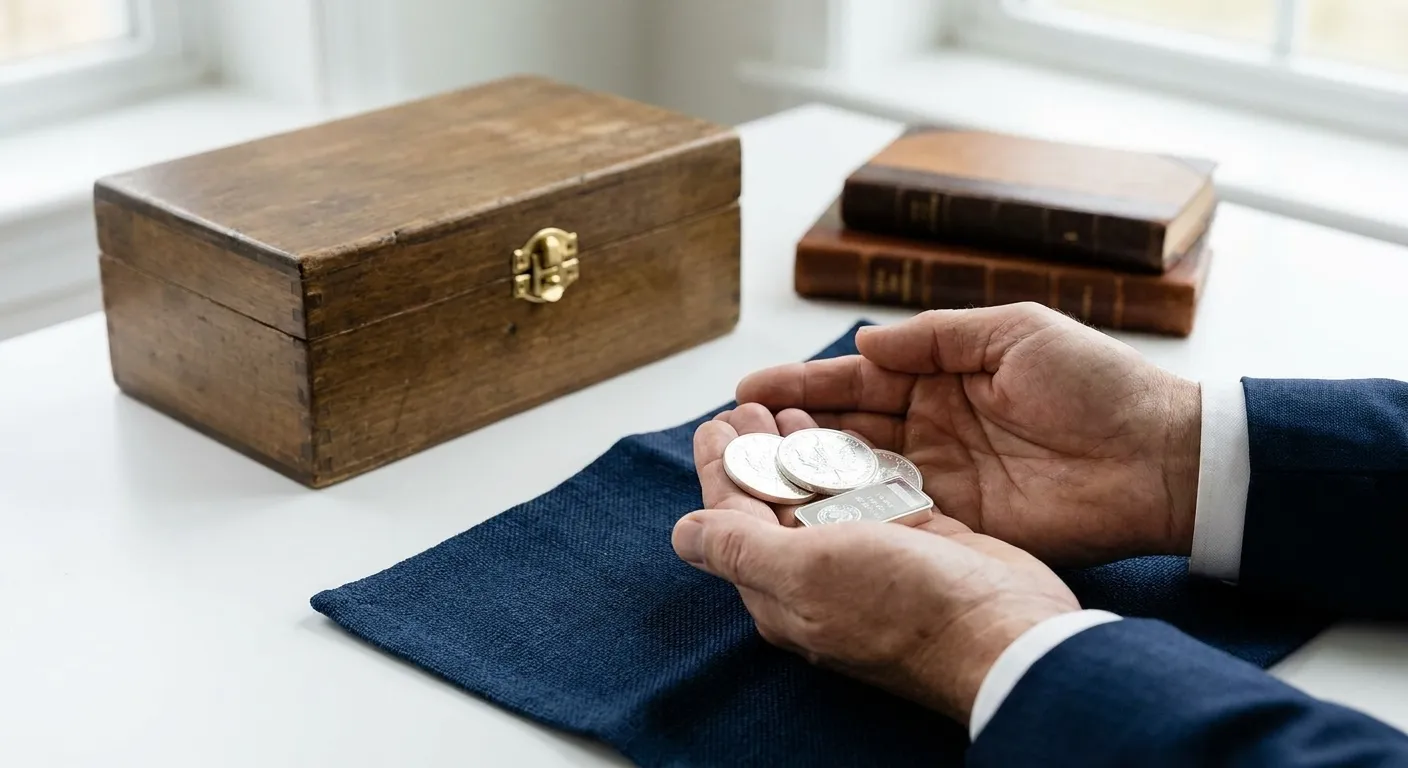
As a cautious saver, your primary goal is likely to protect your hard-earned wealth and ensure it grows securely over the long term. In an ever-changing economic landscape, traditional savings accounts often struggle to keep pace with inflation, leading to a silent erosion of purchasing power. This is where the strategic importance of silver for wealth preservation comes into play. Silver has historically been a reliable asset, offering a tangible hedge against economic uncertainties and a robust method for capital preservation.
At Silver Spot Prices, we understand your need for security and clarity. This article will explore why silver is a vital component of a long-term financial plan, focusing on its unique ability to safeguard your capital against inflation and contribute to enduring financial security. Discover how this accessible precious metal can empower you to confidently protect and grow your wealth.
The Silent Threat: Why Inflation Erodes Savings
Inflation is the gradual increase in prices over time, which reduces the purchasing power of your money. If your savings account interest rate is lower than the inflation rate, your money is effectively losing value each year. For cautious savers, this can be a significant concern, as it directly impacts long-term financial goals like retirement, education, or simply maintaining a comfortable lifestyle.
Traditional financial instruments, while offering growth potential, can be vulnerable to inflationary pressures. Consequently, this vulnerability highlights the need for assets that can maintain or even increase their value when inflation rises, thereby preserving your capital. Furthermore, understanding this economic reality is the first step towards building a resilient financial strategy.
Silver as a Shield: Protecting Your Capital
Throughout history, precious metals like silver have been recognized as a store of value, particularly during periods of economic instability and inflation. This is because silver is a finite resource with intrinsic value, unlike paper currency which can be printed in unlimited quantities. When the value of fiat currencies declines due to inflation, the value of tangible assets like silver often holds firm or appreciates.
Investing in silver capital preservation means you own a physical asset that cannot be devalued by government policy or banking crises. It acts as a protective shield for a portion of your wealth, ensuring that its purchasing power is maintained even when other assets struggle. Therefore, incorporating silver into your holdings can offer peace of mind during turbulent economic times.
Building Enduring Wealth: Silver’s Long-Term Role
Beyond just protecting against inflation, silver plays a crucial role in building enduring wealth. Its long-term track record demonstrates its ability to retain value and even appreciate over extended periods. While short-term price fluctuations are normal, the strategic inclusion of silver in a diversified portfolio is about looking at the bigger picture – ensuring your wealth is resilient for decades to come.
Silver offers a sense of permanence and stability that many paper assets cannot. Moreover, it has industrial demand, which adds another layer of intrinsic value. This dual role as both a monetary and industrial metal strengthens its position as a valuable asset for preserving wealth across generations. For instance, consider the historical significance of precious metals as a store of value. Bullion banks understand the fundamental value of gold and silver, which underscores their long-term appeal.
Understanding Silver’s Appeal for Cautious Savers
Many cautious savers are drawn to silver because of its accessibility and tangible nature. Unlike complex financial derivatives or volatile stocks, physical silver is straightforward to understand and own. You can hold it in various forms, such as coins, bars, or rounds, making it a tangible asset that you can see and feel. This tangibility provides a unique sense of security, especially for those who prefer to keep their investments close.
In addition, silver generally has a lower entry price point compared to gold, making it more accessible for first-time precious metal buyers and budget-conscious investors. This affordability allows individuals to start building their precious metal holdings without a substantial initial investment. Consequently, it democratizes access to wealth protection strategies that were once perceived as exclusive.
Historical Context: Silver as a Monetary Metal
Historically, silver has served as money for thousands of years, underpinning economies and facilitating trade across civilizations. From ancient empires to modern-day coinage, its role as a medium of exchange and a store of value is well-documented. This long history provides a strong foundation for its continued relevance in today’s financial landscape.
Consider the Viking silver treasures unearthed, which demonstrate the enduring value and historical significance of this metal. Such discoveries highlight silver’s historical role as a cornerstone of wealth, transcending time and economic systems. This historical precedent reinforces its reliability as a means of capital preservation.
How Silver Protects Against Economic Uncertainty
Economic uncertainties, such as geopolitical instability, banking crises, or currency devaluations, can significantly impact traditional investments. During these periods, investors often seek safe-haven assets that are less correlated with the broader financial markets. Silver frequently acts as one such safe haven.
When confidence in paper currencies or financial institutions wavers, demand for physical assets like silver tends to increase. This increased demand can help maintain or even boost silver’s value, thereby protecting your purchasing power. Therefore, including silver in your portfolio can act as an insurance policy against unforeseen economic shocks. For example, some analysts are warning about the potential for stagflation, which could further highlight silver’s protective qualities.
Diversification: A Key Strategy for Wealth Protection
Diversification is a fundamental principle of sound financial planning. It involves spreading your investments across various asset classes to reduce overall risk. Including silver in a diversified portfolio can significantly enhance its resilience. This is because silver’s price movements often differ from those of stocks, bonds, and real estate. Consequently, when one asset class performs poorly, silver may perform well, helping to balance your overall returns.
For cautious savers, diversification is not just about maximizing returns; it is primarily about minimizing risk and ensuring long-term stability. Silver for wealth preservation provides a valuable component to achieve this balance, offering a tangible asset that moves independently of many paper assets. This can smooth out portfolio volatility and protect against significant downturns in specific markets. With mounting global debt, diversifying with assets like silver becomes even more critical.
The Role of Industrial Demand in Silver’s Value
Beyond its role as a monetary metal, silver has extensive industrial applications, which contribute significantly to its demand and intrinsic value. It is an essential component in various high-tech industries, including electronics, solar panels, and medical devices. For instance, the growing demand for renewable energy and technological advancements means a consistent need for silver.
This industrial demand provides a floor for silver’s price, even during periods when its investment demand might fluctuate. As technology continues to evolve, new applications for silver are constantly emerging, ensuring its relevance and demand for the foreseeable future. Consequently, this dual demand – both investment and industrial – makes silver a robust asset for long-term capital preservation.
Getting Started with Silver: Practical Steps for Savers
For those new to precious metals, starting your journey with silver for wealth preservation can seem daunting, but it is quite straightforward. The first step involves educating yourself on the different forms of physical silver available, such as bullion coins (e.g., American Silver Eagles, Canadian Silver Maples) and silver bars. Each option has its own advantages in terms of liquidity and premium over spot price.
Next, it’s crucial to choose a reputable dealer like Silver Spot Prices. We prioritize transparency and customer education, ensuring you make informed decisions. Consider storage options as well, whether it’s a secure home safe or a professional vaulting service. Remember, the goal is to acquire and hold physical silver as a long-term strategy for wealth protection, not as a short-term trade.
Understanding Market Dynamics and Long-Term Outlook
While silver prices can experience short-term volatility, understanding the broader market dynamics is essential for a long-term strategy. Factors like global economic health, industrial demand, and monetary policy all influence silver’s value. However, for those focused on silver for wealth preservation, these fluctuations are less important than the metal’s consistent ability to hold value over decades.
Many experts project a strong future for silver, driven by increasing industrial applications and continued investor demand for safe-haven assets. For example, some analysts have forecasted significant price increases for silver. Peter Krauth, for instance, sees silver reaching $80 to $85 before year-end, which illustrates the optimistic outlook some hold for its potential as a wealth preserver.
Conclusion: Embracing Silver for a Secure Financial Future
In conclusion, for cautious savers seeking to protect and grow their wealth over the long term, incorporating silver for wealth preservation into their financial strategy is a wise decision. Its historical role as a store of value, its tangible nature, and its dual demand from both investors and industry make it an unparalleled asset for safeguarding capital against inflation and economic uncertainty. We believe that understanding and acting on the principles of capital preservation through silver can provide you with greater financial security and peace of mind.
At Silver Spot Prices, our mission is to simplify precious metal investing, making it accessible and understandable for everyone. By choosing to invest in silver, you are not just buying a commodity; you are investing in a proven method of wealth protection that has stood the test of time. Take control of your financial future and explore the benefits of silver for your long-term wealth strategy.
FAQ: Is silver a good investment for long-term wealth protection?
Yes, silver is widely considered a strong asset for long-term wealth protection. It has historically maintained its purchasing power during periods of inflation and economic instability, acting as a reliable store of value for centuries.
FAQ: How does silver protect against inflation?
Silver protects against inflation because it is a finite, tangible asset with intrinsic value. Unlike paper currency, which can lose value due to excessive printing, silver’s value tends to hold firm or even increase when the purchasing power of fiat currencies declines.
FAQ: What forms of physical silver are best for capital preservation?
For capital preservation, popular forms of physical silver include bullion coins (like American Silver Eagles or Canadian Silver Maples) and silver bars. These are recognized globally and are generally easy to buy and sell, offering good liquidity.
FAQ: Is silver better than gold for preserving wealth?
Both silver and gold are excellent for preserving wealth. Silver often has a lower entry price, making it more accessible, and it also benefits from significant industrial demand. Gold is generally seen as the ultimate safe haven, but silver’s unique characteristics make it a valuable complement to any precious metals portfolio.
FAQ: Where should I store my silver to protect my investment?
Secure storage is crucial for protecting your silver investment. Options include a high-quality home safe, a safe deposit box at a bank, or a professional third-party vaulting service. The best choice depends on the quantity of silver and your personal comfort level with security.
Related reading:

