
In an increasingly digital and interconnected world, where much of our wealth exists as numbers on a screen, the concept of a tangible asset holds a unique and enduring appeal. For cautious savers concerned about economic instability, inflation, or the reliability of financial systems, the security offered by something physical, something you can hold, is invaluable. This is precisely why silver as tangible asset continues to be a cornerstone of real wealth protection, providing a foundational layer of security that digital assets cannot replicate.
The Enduring Appeal of Tangible Assets
Consider the inherent difference between a bank balance and a physical silver coin. Your bank balance is a promise, an entry in a ledger, subject to the solvency of a financial institution and the stability of the currency. A physical silver coin, however, is a direct store of value. It exists independently of any financial system or third-party promise. This direct ownership provides a profound psychological comfort and a practical defense against systemic risks.
Throughout history, in times of crisis or economic upheaval, physical commodities like silver have often served as a reliable form of money and wealth preservation when paper currencies faltered. This historical precedent underscores the deep-seated human trust in tangible assets. Moreover, the ability to hold your wealth in your hand offers a sense of control that digital records simply cannot match.
Silver’s Unique Role as a Tangible Asset
While gold often takes the spotlight in discussions of precious metals, silver plays a distinct and equally vital role as a tangible asset. Its value is derived not only from its monetary history but also from its critical industrial applications. Silver is an indispensable component in countless modern technologies, including solar panels, electric vehicles, medical equipment, and electronics. This dual demand – as both an investment vehicle and an industrial metal – provides a robust foundation for its value.
For cautious savers, this industrial demand offers an additional layer of stability, as silver’s utility ensures a baseline demand regardless of investment trends. Furthermore, silver’s price movements can often be less correlated with traditional financial markets, offering genuine diversification and acting as a hedge when stocks or bonds face headwinds. Owning physical silver means owning a piece of a commodity with real-world utility and a long history of value retention.
Protection Against Systemic Risk
One of the most compelling reasons to view silver as a tangible asset is its ability to protect against systemic risk. What happens if there’s a major financial crisis, a widespread cyberattack, or a loss of confidence in banks or government-issued currencies? In such scenarios, digital assets might become inaccessible, and paper money could rapidly lose value. Physical silver, however, remains a universally recognized store of wealth.
It carries no counterparty risk, meaning you don’t rely on another entity’s promise for its value. This characteristic is paramount for individuals seeking true financial independence and security. When considering the broader economic landscape, especially with discussions around money, inflation, and power, the importance of non-fiat assets becomes clear. Therefore, holding physical silver offers a crucial safeguard against unforeseen events that could disrupt conventional financial systems.
Inflation Hedge and Purchasing Power Preservation
Inflation erodes the purchasing power of traditional currencies over time. As the cost of living rises, the same amount of money buys less. Many individuals are concerned about the inflation reality check in today’s economy. Historically, precious metals like silver have served as an effective hedge against inflation. When the value of paper money declines, the intrinsic value of physical commodities tends to hold steady or even increase, preserving wealth.
This makes physical silver an attractive option for long-term wealth preservation. Unlike paper assets that can be printed in unlimited quantities, the supply of mined silver is finite. Consequently, its scarcity helps maintain its value, offering a reliable means to protect your savings from inflationary pressures. For those looking to secure their financial future, understanding silver’s role as an inflation hedge is essential.
Accessibility and Affordability for All
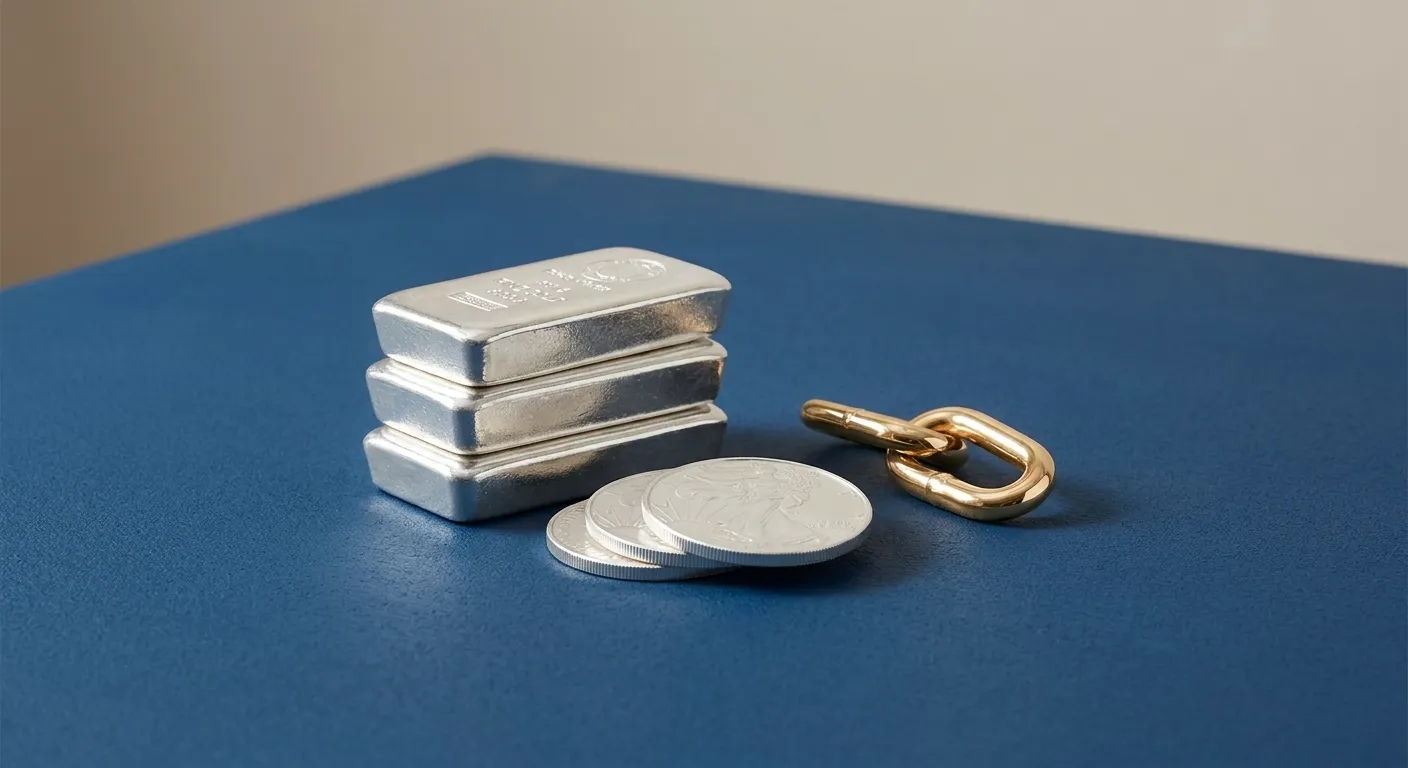
Unlike gold, which can be a significant investment for many first-time buyers, silver offers a more accessible entry point into the precious metals market. This affordability makes it an ideal choice for budget-conscious investors and those new to wealth diversification. You can acquire silver in various forms, including coins, bars, and rounds, to suit different investment sizes and preferences. This flexibility allows individuals to start small and gradually build their holdings.
The ease of acquiring physical silver also contributes to its appeal as a tangible asset. It is readily available from reputable dealers, making the process straightforward for new investors. This accessibility, combined with its lower price point compared to gold, positions silver as a practical and inclusive option for anyone looking to add a physical component to their wealth strategy.
Diversification Beyond Traditional Assets
A well-diversified portfolio is a cornerstone of sound financial planning. Traditional portfolios often include stocks, bonds, and real estate. However, these assets can be highly correlated, meaning they tend to move in the same direction during economic shifts. Adding physical silver introduces a different asset class, one that often behaves independently of these traditional investments.
This lack of correlation provides genuine diversification, reducing overall portfolio risk. For example, during periods of stock market volatility, silver prices might remain stable or even increase, offering a protective buffer. This makes physical silver an excellent choice for investors seeking to spread their risk and enhance the resilience of their wealth. Moreover, understanding silver’s distinct market dynamics, as seen in reports like the COT Silver Report, can further inform diversification strategies.
The Practicalities of Owning Physical Silver
When considering silver as a tangible asset, it is important to understand the practical aspects of ownership. Physical silver can be stored in various ways: at home in a secure safe, in a safe deposit box at a bank, or with a third-party vaulting service. Each option has its own considerations regarding security, accessibility, and cost. For many, home storage offers immediate access and a strong sense of direct control over their assets.
Choosing a reputable dealer for your purchases is also crucial. Look for dealers with transparent pricing, clear policies, and positive customer reviews. Understanding the difference between various forms of silver, such as sovereign coins versus generic bars, can also help in making informed decisions. Regardless of the chosen method, the key is to ensure your physical silver is stored safely and securely, giving you peace of mind.
Recognizing the Intrinsic Value
The intrinsic value of silver goes beyond its market price. It is a metal that has been prized for millennia, used in coinage, jewelry, and religious artifacts. This long history of human valuation speaks to its enduring appeal. In modern times, its industrial applications have only enhanced this intrinsic worth. From medical instruments to advanced electronics, silver is essential for many technologies that improve our daily lives.
This combination of historical monetary significance and contemporary industrial utility underpins the fundamental value of silver. It is not merely a speculative asset; it is a commodity with fundamental uses and a proven track record of holding value. Therefore, investing in physical silver is an investment in a resource that humanity consistently values and needs.
The Role of Silver in a Modern Portfolio
Integrating silver into a modern investment portfolio offers a balanced approach to wealth management. It acts as a counterweight to purely digital or paper assets, providing a physical anchor in an increasingly abstract financial world. For those new to precious metals, starting with silver can be a comfortable and educational experience.
It encourages a deeper understanding of economic principles, inflation, and the importance of tangible wealth. Many individuals find comfort in knowing they possess a tangible asset that is independent of banks or governments. In a landscape where headlines frequently discuss market shifts, like gold and silver popping higher on news, holding physical silver offers a steadying influence.
Preparing for Economic Uncertainty
Economic cycles are a natural part of financial markets. Periods of growth are often followed by contractions or periods of uncertainty. Proactively preparing for these shifts is a hallmark of prudent financial planning. Holding silver as a tangible asset is a strategic move to hedge against potential economic downturns, currency devaluations, or unexpected global events.
It provides a readily accessible form of wealth that can be liquidated if needed, without relying on the stability of a particular financial institution. This preparedness offers a psychological advantage, allowing individuals to navigate turbulent times with greater confidence. Ultimately, physical silver serves as a reliable store of value when other assets may falter, solidifying its place as a crucial component of real wealth security.
The Future of Silver as a Tangible Asset
Looking ahead, the demand for silver is projected to remain strong, driven by both investment interest and its expanding industrial uses. Innovations in green technologies, particularly solar energy and electric vehicles, are expected to significantly increase industrial demand. As the world transitions to a more sustainable future, silver’s role as a vital component will only grow.
This sustained demand, coupled with its finite supply, suggests a positive long-term outlook for physical silver. For individuals seeking to build lasting wealth, understanding these trends reinforces the value of silver as a tangible asset. It represents not just a historical store of value, but a metal with a critical role in the economy of tomorrow. Staying informed on silver spot prices today can help investors make timely decisions.
Conclusion
In conclusion, the role of silver as tangible asset in securing real wealth cannot be overstated. It offers a unique combination of historical reliability, protection against systemic risks, an inflation hedge, and industrial utility. For first-time buyers and seasoned investors alike, physical silver provides an accessible and robust means of diversifying wealth and preserving purchasing power.
By understanding its intrinsic value and practical benefits, individuals can confidently integrate physical silver into their financial strategy. It serves as a foundational element, offering peace of mind and a tangible safeguard in an unpredictable world. Ultimately, choosing silver as tangible asset means embracing a time-tested approach to financial security and building a resilient portfolio for the future.
FAQ
Why is owning physical silver considered important for wealth security?
Owning physical silver is important because it is a tangible asset, meaning it’s a physical item you hold, rather than a digital promise. This provides direct ownership and protection against systemic risks like bank failures or currency devaluation, offering a secure store of value independent of financial institutions.
How does physical silver protect against inflation?
Physical silver historically acts as a hedge against inflation. When the purchasing power of paper money decreases due to rising costs, the intrinsic value of physical commodities like silver tends to hold or increase, helping to preserve your wealth and buying power over time.
Is silver a good investment for first-time precious metals buyers?
Yes, silver is often considered an excellent starting point for first-time precious metals buyers. It is generally more affordable than gold, making it accessible to budget-conscious investors. This allows new investors to gradually build their holdings and gain familiarity with the precious metals market.
What makes physical silver different from digital or paper assets?
Physical silver differs from digital or paper assets because it carries no counterparty risk. Its value is inherent and not dependent on a third-party promise, unlike a bank balance or a stock certificate. This provides a unique layer of security and independence from traditional financial systems.
Where can I store my physical silver holdings safely?
You have several options for safely storing your physical silver. These include keeping it at home in a secure safe, utilizing a bank’s safe deposit box, or entrusting it to a professional third-party vaulting service. The best option depends on your preference for accessibility, security, and cost.